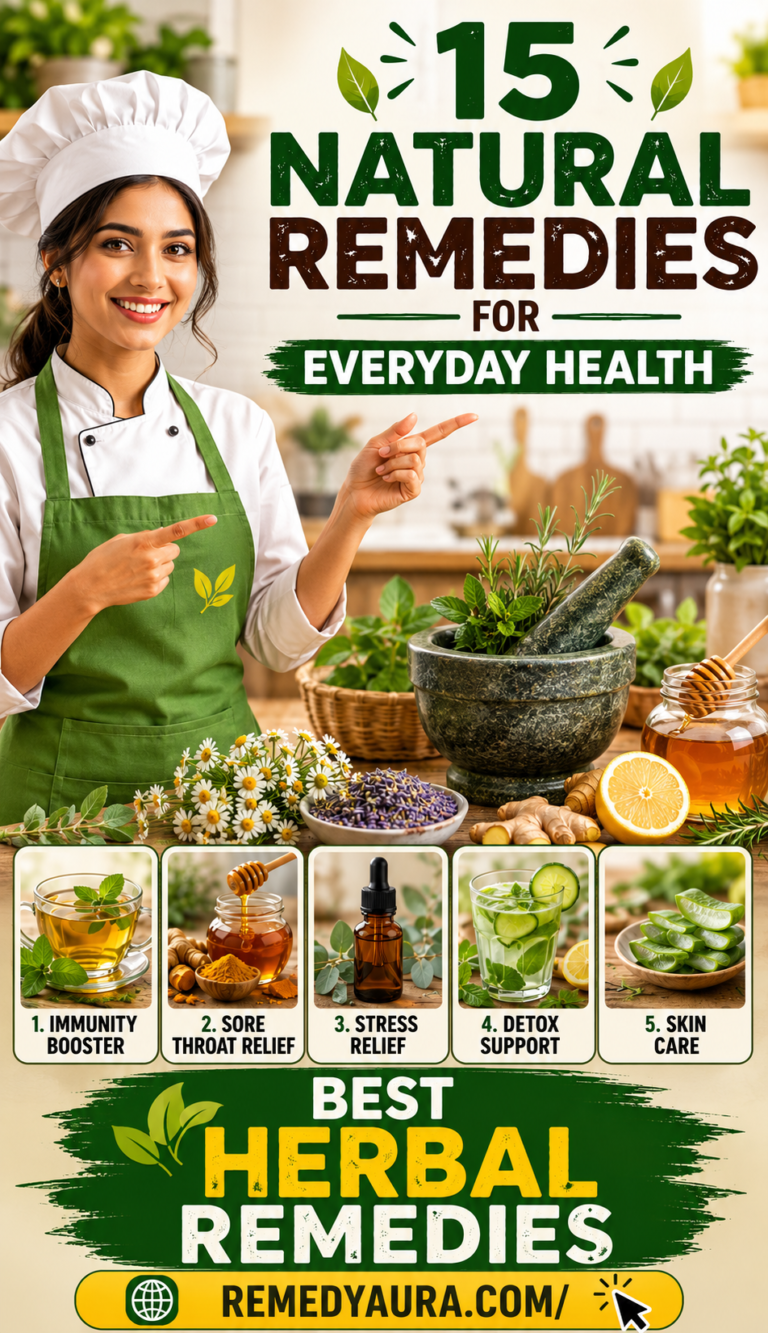
10 Best Herbal Wellness Ideas
In an era dominated by synthetic solutions and fast-paced living, there is a growing movement returning to the roots of human health—literally. Herbal wellness is not merely a trend; it is a rediscovery of ancient wisdom that has supported humanity for millennia. By integrating plants into our daily routines, we can foster a deeper connection with nature while supporting our body’s innate ability to heal, balance, and thrive.
From the soothing steam of a morning infusion to the grounding practice of tending a medicinal garden, herbalism offers a holistic toolkit for modern living. Here are the ten best herbal wellness ideas to elevate your physical, mental, and emotional well-being.
1. Master the Art of the Daily Nourishing Infusion
While most people are familiar with a quick “tea bag” steep, a nourishing herbal infusion is a different beast entirely. Infusions involve steeping large quantities of dried herbs in water for extended periods (usually 4 to 8 hours) to extract the maximum amount of vitamins, minerals, and polyphenols.
- Nettle Infusion: Known as “nature’s multivitamin,” stinging nettle is packed with iron, calcium, and magnesium. It supports kidney health and provides a steady energy boost without the caffeine crash.
- Oat Straw: High in silica and calcium, oat straw is a tonic for the nervous system, helping to soothe “fried” nerves and improve skin and hair health.
- Red Raspberry Leaf: Traditionally used for hormonal balance, it is a powerhouse of trace minerals that support reproductive and digestive health.
How to start: Place one ounce of dried herb in a quart-sized glass jar, fill with boiling water, seal tightly, and let it sit overnight. Strain and drink throughout the next day.
2. Incorporate Adaptogens for Stress Resilience
In a world of chronic stress, adaptogens are the herbal kingdom’s answer to burnout. These unique herbs help the body “adapt” to stressors by regulating the adrenal system and balancing cortisol levels.
- Ashwagandha: One of the most researched adaptogens, it helps lower cortisol, reduce anxiety, and improve sleep quality.
- Holy Basil (Tulsi): Known in Ayurveda as the “Queen of Herbs,” Tulsi is excellent for mental clarity and emotional uplifting.
- Rhodiola Rosea: Ideal for those feeling fatigued, Rhodiola enhances physical endurance and cognitive function during times of high pressure.
By incorporating these into your morning smoothie or taking them as a supplement, you create a chemical “buffer” that prevents stress from taking a heavy toll on your physiology.
3. Transform Your Kitchen into a Farmacy
One of the easiest ways to practice herbal wellness is through culinary herbalism. The spices in your cabinet are often potent medicines hiding in plain sight.
- Turmeric: The curcumin in turmeric is a powerful anti-inflammatory. Pair it with black pepper to increase absorption by up to 2,000%.
- Rosemary: Beyond its flavor, rosemary has been shown to improve memory and concentration while providing antioxidant support.
- Garlic and Oregano: Both possess strong antimicrobial properties, acting as a first line of defense against seasonal sniffles.
Integrating these into every meal ensures that your body receives a consistent “micro-dose” of medicinal compounds, maintaining wellness rather than just treating illness.
4. Create a Botanical Bathing Ritual
The skin is the body’s largest organ, and it is highly absorbent. A botanical bath turns a simple hygiene routine into a therapeutic experience that calms the mind and treats the skin.
- Calendula and Chamomile: Perfect for soothing irritated skin, rashes, or inflammation.
- Epsom Salts with Lavender: Combining the muscle-relaxing properties of magnesium with the sedative effects of lavender creates the ultimate pre-sleep ritual.
- Eucalyptus and Peppermint: Use these in a hot bath when you are feeling congested to open up the airways and invigorate the senses.
Pro-tip: To avoid a messy cleanup, place your dried herbs in a muslin bag or a large tea strainer before dropping them into the tub.
5. Harness the Power of Herbal Tinctures
For those with a busy lifestyle, tinctures are the height of convenience. A tincture is a concentrated liquid extract made by soaking herbs in alcohol or glycerin. This method pulls out the active constituents and preserves them for years.
- Echinacea and Elderberry: Keep these on hand for the first sign of a cold to stimulate the immune response.
- Milk Thistle: A go-to for liver detoxification and supporting the body’s natural filtration system.
- Valerian Root: A potent sedative for those nights when the mind won’t stop racing.
Tinctures are easily portable and can be taken directly under the tongue or added to a glass of water, making herbal support accessible anywhere.
6. Craft Your Own Topical Salves and Balms
Moving away from synthetic lotions toward herbal salves allows you to nourish your skin without toxic preservatives. Salves are made by infusing carrier oils (like olive or jojoba) with herbs and thickening them with beeswax.
- Arnica Salve: Essential for bruising, swelling, and sore muscles.
- Comfrey “Knit-bone” Salve: Historically used to accelerate the healing of minor skin abrasions and connective tissue.
- Lemon Balm Balm: Excellent for its antiviral properties, particularly for cold sores.
Making your own balms gives you full control over the ingredients, ensuring that what goes on your body is as pure as what goes in it.
7. The Therapy of Herbal Gardening
Wellness isn’t just about consumption; it’s about connection. Growing an herbal garden—even if it’s just a few pots on a windowsill—offers profound psychological benefits.
- Grounding: Touching the soil and working with plants reduces cortisol and boosts mood.
- Freshness: Freshly picked herbs like Mint, Lemon Verbena, or Thyme have higher volatile oil content than dried versions.
- Sustainability: Growing your own reduces your carbon footprint and ensures your “medicine” is free from pesticides.
The act of nurturing a plant from seed to harvest fosters a sense of purpose and a deeper appreciation for the cycles of nature.
8. Vitality Through Herbal Steam Inhalation
Respiratory health is often overlooked until we struggle to breathe. Herbal steams are an effective way to deliver the volatile oils of plants directly to the lungs and sinuses.
- Thyme and Sage: Both are powerfully antibacterial and antifungal, making them excellent for clearing out respiratory infections.
- Pine Needles: Rich in Vitamin C and suramin-like compounds, pine steam is traditionally used to clear phlegm.
Method: Place a handful of herbs in a bowl of steaming (not boiling) water. Drape a towel over your head and the bowl, and breathe deeply for 5-10 minutes. This practice also acts as a mini-facial, opening pores and clearing the skin.
9. Aromatherapy for Emotional Regulation
The sense of smell is the only sense with a direct link to the limbic system—the part of the brain responsible for emotions and memory. Aromatherapy uses the essential oils of plants to shift your mental state almost instantly.
- Bergamot: A citrus oil that is uniquely “bright” yet “calming,” perfect for relieving midday anxiety.
- Frankincense: Deeply grounding, often used in meditation to slow the breath and center the mind.
- Peppermint: An instant “pick-me-up” that can alleviate tension headaches and increase alertness.
Whether through a diffuser, a personal inhaler, or diluted in a carrier oil for massage, aromatherapy is a potent tool for emotional wellness.
10. Establish an Herbal Sleep Sanctuary
Sleep is the foundation of all health. An herbal sleep ritual signals to the brain that it is time to transition from the “doing” mode of the day to the “being” mode of the night.
- Mugwort Pillows: Small sachets of dried mugwort or lavender placed under your pillow can promote vivid, peaceful dreams and deeper relaxation.
- Passionflower Tea: This herb increases levels of GABA in the brain, which lowers brain activity and helps you fall asleep faster.
- Golden Milk: A warm bedtime drink made with coconut milk, turmeric, cinnamon, and a pinch of nutmeg. It is anti-inflammatory and deeply comforting.
By replacing blue light and scrolling with a warm herbal ritual, you optimize your body’s circadian rhythm and wake up truly refreshed.
Conclusion: Embracing the Herbal Path
The journey into herbal wellness is not about replacing modern medicine, but about augmenting it with the gentle, rhythmic support of the plant world. By choosing even two or three of these ideas to integrate into your weekly routine, you begin to build a lifestyle of prevention and vitality.
Nature offers us a vast pharmacy that is as effective as it is beautiful. Whether you are sipping a dark nettle infusion or smelling the earthy scent of rosemary in your kitchen, you are participating in a timeless tradition of self-care. Start small, listen to your body, and let the plants lead the way to a more vibr