
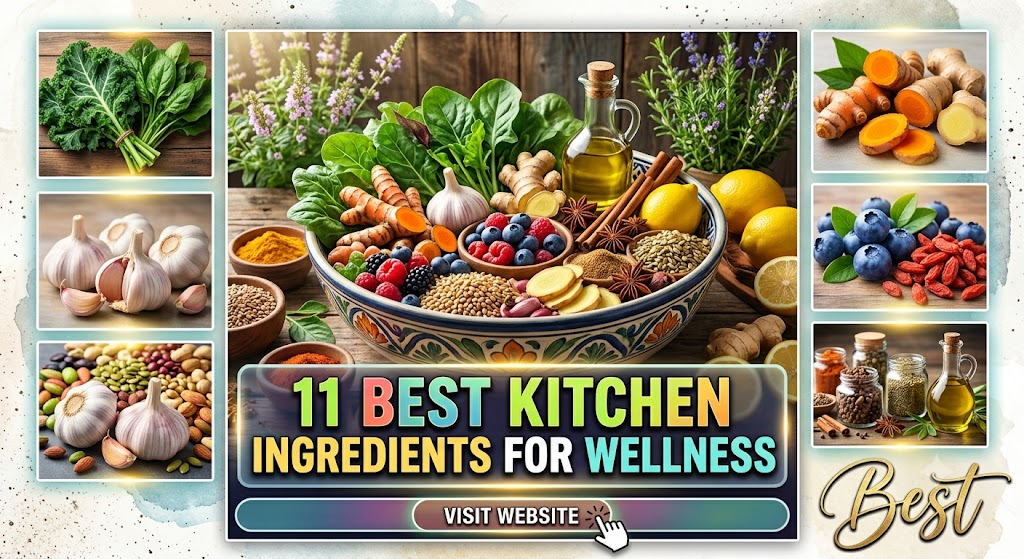
11 Best Kitchen Ingredients for Wellness
In the modern world, we often look to the medicine cabinet for solutions to our health woes. However, some of the most potent health-boosting agents are not found in a pharmacy, but in your kitchen pantry. For centuries, traditional medicine systems like Ayurveda and Traditional Chinese Medicine have utilized common culinary ingredients to heal, protect, and energize the body.
When we view food as medicine, every meal becomes an opportunity to nourish our cells, reduce inflammation, and bolster our immune systems. This guide explores the 11 best kitchen ingredients for wellness, diving deep into their nutritional science, historical significance, and practical applications. We have also included comprehensive, gourmet-level recipes for each to help you integrate these superfoods into your daily life.
1. Turmeric: The Golden Healer
Turmeric is perhaps the most famous “superfood” in the world today. This bright orange root, a member of the ginger family, has been used in India for over 4,000 years. Its primary active compound, curcumin, is a bioactive substance that fights inflammation at the molecular level.
Why It’s a Wellness Hero
- Anti-Inflammatory: Chronic inflammation is a driver of many modern diseases. Curcumin is so powerful that it matches the effectiveness of some anti-inflammatory drugs without the side effects.
- Antioxidant Powerhouse: It neutralizes free radicals and stimulates the body’s own antioxidant enzymes.
- Brain Health: It boosts levels of BDNF (Brain-Derived Neurotrophic Factor), which increases the growth of new neurons.
Pro-Tip: Curcumin is poorly absorbed into the bloodstream. To unlock its full potential, you must consume it with black pepper (which contains piperine) and a healthy fat.
Recipe: The Ultimate Anti-Inflammatory Golden Milk Latte
This isn’t just a trendy drink; it’s a powerful tonic designed for maximum absorption.
Ingredients:
- 2 cups of Unsweetened Almond or Coconut Milk
- 1 ½ teaspoons Ground Turmeric
- ½ teaspoon Ground Ginger
- ¼ teaspoon Ground Cinnamon
- 1 tablespoon Virgin Coconut Oil or Ghee
- 1 pinch of Freshly Cracked Black Pepper
- 1 teaspoon Raw Honey or Maple Syrup (optional)
How to Cook:
- Combine: In a small saucepan, add the milk, turmeric, ginger, cinnamon, coconut oil, and black pepper.
- Whisk: Using a small whisk, stir the ingredients over medium-low heat.
- Heat: Let the mixture reach a gentle simmer (do not boil) for about 5 to 7 minutes. This “blooms” the turmeric and integrates the fats.
- Sweeten: Remove from heat. Once the temperature drops slightly, stir in your honey or maple syrup.
- Froth: For a cafe-style finish, use a hand frother for 30 seconds until foamy. Pour into a mug and sprinkle with a dash of extra cinnamon.
2. Ginger: The Digestive Dynamo
Ginger is a pungent, spicy rhizome that has been a staple in global medicine for millennia. It contains gingerol, a substance with powerful medicinal properties.
Why It’s a Wellness Hero
- Digestive Aid: It speeds up the emptying of the stomach, which can help with indigestion and bloating.
- Anti-Nausea: It is highly effective against motion sickness, morning sickness, and chemotherapy-induced nausea.
- Immune Support: Its warming properties help clear congestion and fight off respiratory infections.
Recipe: Zesty Ginger and Carrot Immunity Soup
A vibrant, creamy soup that warms the body from the inside out.
Ingredients:
- 1 pound Carrots (peeled and chopped)
- 3 tablespoons Fresh Ginger (finely grated)
- 1 Large Yellow Onion (diced)
- 3 cloves Garlic (minced)
- 4 cups Vegetable Broth
- 1 cup Full-Fat Coconut Milk
- 2 tablespoons Olive Oil
- 1 teaspoon Sea Salt
- Fresh Cilantro and Lime wedges for garnish
How to Cook:
- Sauté: Heat olive oil in a large pot over medium heat. Add the onion and sauté until translucent (about 5 minutes).
- Aromatics: Add the grated ginger and garlic. Sauté for another 2 minutes until fragrant but not browned.
- Simmer: Add the carrots and vegetable broth. Bring to a boil, then reduce heat and simmer for 20 minutes, or until the carrots are fork-tender.
- Blend: Use an immersion blender to puree the soup until completely smooth. Alternatively, transfer to a stand blender in batches.
- Finish: Stir in the coconut milk and salt. Heat through for another 2 minutes.
- Serve: Ladle into bowls and top with a squeeze of fresh lime juice and a handful of chopped cilantro.
3. Garlic: The Natural Antibiotic
Garlic belongs to the Allium (onion) family. When garlic is crushed or chewed, it produces a sulfur compound called allicin, which is responsible for its distinct smell and its profound health benefits.
Why It’s a Wellness Hero
- Cardiovascular Health: Garlic can significantly reduce blood pressure and improve cholesterol levels.
- Immune System Boost: Regular garlic consumption is linked to fewer colds and faster recovery times.
- Detoxification: The sulfur compounds in garlic protect against organ damage from heavy metal toxicity.
Recipe: Roasted Garlic and White Bean Dip (Healthy Hummus Alternative)
Roasting garlic mellows its bite, turning it sweet, nutty, and incredibly creamy.
Ingredients:
- 2 Whole Heads of Garlic
- 2 cans (15 oz each) Cannellini Beans (rinsed and drained)
- ¼ cup Extra Virgin Olive Oil
- Juice of 1 Lemon
- 1 tablespoon Fresh Rosemary (finely chopped)
- ½ teaspoon Smoked Paprika
- Salt and Black Pepper to taste
How to Cook:
- Roast Garlic: Preheat your oven to 400°F (200°C). Slice the tops off the garlic heads to expose the cloves. Drizzle with a little olive oil and wrap tightly in aluminum foil. Roast for 40-45 minutes until soft.
- Squeeze: Once cool enough to handle, squeeze the roasted cloves out of their skins into a food processor.
- Process: Add the beans, lemon juice, rosemary, and paprika to the food processor.
- Emulsify: While the processor is running, slowly drizzle in the olive oil until the mixture is light and fluffy.
- Season: Add salt and pepper to taste. Serve with raw veggie sticks or whole-grain crackers.
4. Extra Virgin Olive Oil (EVOO): The Liquid Gold
The Mediterranean diet is world-renowned for longevity, and Extra Virgin Olive Oil is its cornerstone. Unlike refined oils, EVOO is cold-pressed and retains its high levels of polyphenols.
Why It’s a Wellness Hero
- Heart Health: It protects LDL cholesterol from oxidation and improves the function of the lining of your blood vessels.
- Healthy Fats: It is rich in monounsaturated oleic acid, which is believed to have many beneficial effects on genes linked to cancer.
- Brain Protection: Some studies suggest EVOO may help clear the plaques in the brain associated with Alzheimer’s disease.
Recipe: Mediterranean Herb-Infused Dressing
Skip the store-bought dressings filled with sugar and seed oils. This is the only dressing your salads will ever need.
Ingredients:
- ½ cup Extra Virgin Olive Oil
- 3 tablespoons Apple Cider Vinegar or Balsamic Vinegar
- 1 teaspoon Dijon Mustard
- 1 teaspoon Dried Oregano
- ½ teaspoon Dried Thyme
- 1 Garlic Clove (pressed)
- A pinch of Sea Salt and Coarse Pepper
How to Cook:
- Combine: Place all ingredients into a small glass jar with a tight-fitting lid.
- Emulsify: Shake vigorously for 30 seconds until the mustard has helped the oil and vinegar bind together.
- Rest: Let the dressing sit for at least 15 minutes before using to allow the dried herbs to hydrate and release their oils.
- Storage: Store at room temperature for up to 3 days or in the fridge for 2 weeks.
5. Apple Cider Vinegar (ACV): The Metabolic Master
Apple cider vinegar is made through a two-step fermentation process. The “Mother”—the cloudy substance found in raw ACV—contains proteins, enzymes, and friendly bacteria.
Why It’s a Wellness Hero
- Blood Sugar Regulation: ACV improves insulin sensitivity during high-carb meals and significantly lowers blood sugar responses.
- Weight Management: It can increase feelings of fullness, leading to lower calorie intake throughout the day.
- Gut Health: The acetic acid can kill harmful bacteria and prevent them from multiplying.
Recipe: ACV Honey-Glazed Baked Salmon
A perfect balance of acidity, sweetness, and omega-3 fatty acids.
Ingredients:
- 2 Salmon Fillets (6 oz each)
- 2 tablespoons Apple Cider Vinegar (with the Mother)
- 1 tablespoon Raw Honey
- 1 tablespoon Soy Sauce (or Coconut Aminos)
- 1 tablespoon Olive Oil
- 1 teaspoon Grated Ginger
- Red Pepper Flakes (optional)
How to Cook:
- Prepare Glaze: In a small bowl, whisk together the ACV, honey, soy sauce, ginger, and red pepper flakes.
- Marinate: Place the salmon in a shallow dish and pour half the glaze over it. Let it sit for 15 minutes.
- Bake: Preheat oven to 400°F (200°C). Place salmon on a baking sheet lined with parchment paper.
- Cook: Bake for 12-15 minutes, depending on the thickness of the fillet.
- Reduce: While the salmon bakes, put the remaining glaze in a small pan over medium heat and simmer until it thickens into a syrup.
- Glaze: Brush the thickened glaze over the cooked salmon before serving.
6. Raw Honey: The Ancient Elixir
Honey is more than just a sweetener; it’s a complex substance containing over 180 different compounds, including vitamins, minerals, and antioxidants.
Why It’s a Wellness Hero
- Cough Suppressant: Research shows honey can be more effective than common over-the-counter cough syrups.
- Wound Healing: Applied topically, medical-grade honey (like Manuka) has potent antibacterial and tissue-regenerating properties.
- Prebiotic: It feeds the good bacteria in your gut.
Recipe: Honey-Garlic Immune-Boosting “Oxymel”
An oxymel is an ancient Greek preparation of honey and vinegar used for respiratory support.
Ingredients:
- ½ cup Raw, Unfiltered Honey
- ½ cup Apple Cider Vinegar
- ¼ cup Fresh Garlic (peeled and smashed)
- 1 tablespoon Fresh Thyme
How to Cook:
- Jar: Place the smashed garlic and thyme into a clean glass pint jar.
- Pour: Pour the ACV and honey over the garlic.
- Stir: Stir well with a plastic or wooden spoon (avoid metal as it can react with the vinegar).
- Infuse: Seal the jar with a plastic lid (or put parchment paper under a metal lid). Store in a cool, dark place for 2 weeks, shaking daily.
- Strain: After 2 weeks, strain the liquid into a clean jar.
- Usage: Take 1 tablespoon daily during cold season or mix into warm water as a tonic.
7. Lemon: The Alkalizing Energizer
Despite being acidic in its natural state, lemon juice becomes alkaline once metabolized in the body. It is one of the most versatile ingredients for daily detoxification.
Why It’s a Wellness Hero
- Vitamin C Boost: One lemon provides about 50% of your daily Vitamin C requirement, which protects cells from damage.
- Kidney Stone Prevention: The citric acid in lemons may help prevent kidney stones by increasing urine volume and pH.
- Iron Absorption: Vitamin C helps your body absorb non-heme iron from plant sources like spinach.
Recipe: Preserved Lemons (Probiotic-Rich Condiment)
Preserved lemons are a staple in Moroccan cuisine and offer a concentrated dose of lemon benefits along with probiotics.
Ingredients:
- 5-6 Organic Lemons (thoroughly washed)
- ½ cup Coarse Sea Salt
- Extra Lemon Juice (as needed)
- 1 Cinnamon Stick (optional)
How to Cook:
- Prep Lemons: Slice the ends off the lemons. Cut them lengthwise as if you are going to quarter them, but stop about an inch from the bottom so the fruit stays attached.
- Salt: Open the lemon “petals” and generously coat the inside with salt.
- Pack: Place the salted lemons into a sterilized wide-mouth jar. Press down firmly with a wooden spoon to release the juices.
- Cover: Add the cinnamon stick. Ensure the lemons are completely submerged in juice. If they aren’t, add more fresh lemon juice.
- Ferment: Seal the jar and keep at room temperature for 3-4 weeks, shaking the jar every few days.
- Use: Once the rinds are soft, store in the fridge. To use, remove a lemon, rinse off the salt, discard the pulp, and finely dice the skin to add to salads, stews, or fish.
8. Cinnamon: The Sugar Stabilizer
Cinnamon is a spice obtained from the inner bark of trees from the genus Cinnamomum. While there are two main types, Ceylon cinnamon (“true” cinnamon) is preferred for long-term health use because it has lower levels of coumarin.
Why It’s a Wellness Hero
- Metabolic Support: Cinnamon can significantly decrease insulin resistance, helping the hormone do its job effectively.
- Anti-Fungal/Bacterial: Cinnamaldehyde, a main component of cinnamon, may help fight various kinds of infection.
- Heart Health: It has been shown to reduce levels of total cholesterol and triglycerides.
Recipe: Overnight Cinnamon and Apple Chia Oats
A high-fiber, low-glycemic breakfast that keeps you full until lunch.
Ingredients:
- ½ cup Rolled Oats (Gluten-Free if necessary)
- 1 tablespoon Chia Seeds
- 1 teaspoon Ceylon Cinnamon
- 1 cup Unsweetened Cashew or Almond Milk
- ½ Apple (grated)
- 1 tablespoon Chopped Walnuts
How to Cook:
- Mix: In a mason jar or bowl, combine the oats, chia seeds, and cinnamon.
- Add Liquids: Pour in the nut milk and stir well to ensure the chia seeds are distributed.
- Fold: Stir in the grated apple.
- Chill: Cover and refrigerate overnight (at least 6 hours).
- Garnish: In the morning, give it a good stir. If it’s too thick, add a splash more milk. Top with chopped walnuts for a crunch and extra healthy fats.
9. Leafy Greens (Spinach & Kale): The Nutrient Dense Base
Dark leafy greens are the most nutrient-dense foods on the planet. They are packed with vitamins A, C, and K, as well as fiber and folate.
Why It’s a Wellness Hero
- Bone Health: The high Vitamin K content is essential for bone mineralization and calcium absorption.
- Eye Protection: They are rich in lutein and zeaxanthin, which protect the eyes from oxidative damage and age-related macular degeneration.
- Methylation Support: The folate in greens is crucial for DNA repair and cellular function.
Recipe: Sauteed Garlic Kale with Toasted Pine Nuts
The secret to delicious kale is removing the tough stems and adding a source of fat and acid.
Ingredients:
- 1 large bunch of Lacinato (Dino) Kale
- 3 cloves Garlic (thinly sliced)
- 2 tablespoons Extra Virgin Olive Oil
- 1 tablespoon Pine Nuts (or slivered almonds)
- A squeeze of Fresh Lemon
- Red Pepper Flakes
How to Cook:
- Prep: Strip the kale leaves from the woody stems. Tear the leaves into bite-sized pieces. Wash and dry thoroughly.
- Toast: In a large skillet over medium heat, lightly toast the pine nuts until golden (about 2-3 minutes). Remove and set aside.
- Sauté Garlic: Add olive oil to the same skillet. Add the sliced garlic and red pepper flakes. Cook for 1 minute until the garlic is golden but not brown.
- Wilt Kale: Add the kale to the pan (you may need to do this in batches). Toss with tongs to coat in the oil. Sauté for 3-5 minutes until the kale is wilted but still bright green.
- Finish: Remove from heat. Squeeze fresh lemon juice over the top and sprinkle with the toasted pine nuts.
10. Whole Grain Oats: The Heart’s Best Friend
Oats are a unique grain because they contain a specific type of soluble fiber called beta-glucan.
Why It’s a Wellness Hero
- Cholesterol Management: Beta-glucan forms a gel-like substance in the gut, which binds to cholesterol and prevents its absorption.
- Gut Microbiome: Oats act as a prebiotic, feeding the beneficial Bifidobacteria in the digestive system.
- Satiety: They trigger the release of peptide YY, a hormone produced in the gut in response to eating, which helps you feel full.
Recipe: Savory Miso and Mushroom Oats
Oats don’t have to be sweet. This savory version is a powerhouse of umami and nutrition.
Ingredients:
- ½ cup Steel Cut or Rolled Oats
- 1 ½ cups Water or Vegetable Broth
- 1 cup Sliced Mushrooms (Shiitake or Cremini)
- 1 tablespoon Miso Paste (White or Yellow)
- 1 teaspoon Sesame Oil
- 1 Scallion (sliced)
- 1 Soft Boiled Egg (optional)
How to Cook:
- Cook Oats: In a small pot, bring the broth to a boil. Add the oats, reduce heat, and simmer according to package directions (longer for steel-cut).
- Sauté Mushrooms: While the oats cook, heat sesame oil in a pan and sauté the mushrooms until they are browned and tender.
- Dissolve Miso: In a small bowl, mix the miso paste with 1 tablespoon of warm water until smooth.
- Combine: Once the oats are cooked, remove from heat. Stir in the miso mixture (never boil miso, as it kills the beneficial probiotics).
- Assemble: Top the savory oats with the sautéed mushrooms, a soft-boiled egg, and a sprinkle of sliced scallions.
11. Fermented Foods (Sauerkraut/Kimchi): The Gut Guardians
Fermentation is an ancient preservation method that creates “living” food. Whether it’s sauerkraut, kimchi, or kefir, these foods are teeming with probiotics.
Why It’s a Wellness Hero
- The Gut-Brain Axis: A healthy gut microbiome is directly linked to better mood and reduced anxiety.
- Enhanced Bioavailability: Fermentation breaks down anti-nutrients (like phytic acid), making the minerals in the food easier for your body to absorb.
- Immune Education: Probiotics “train” the immune system to distinguish between friendly and harmful invaders.
Recipe: Simple Homemade Purple Sauerkraut
Making your own fermented vegetables is incredibly easy and much cheaper than buying them at the store.
Ingredients:
- 1 medium head of Red/Purple Cabbage
- 1 ½ tablespoons Sea Salt (avoid iodized salt)
- 1 tablespoon Caraway Seeds (optional)
How to Cook:
- Shred: Discard the outer leaves of the cabbage. Quarter the cabbage and remove the core. Slice the cabbage into very thin ribbons.
- Salt and Massage: Place the cabbage in a large bowl and sprinkle the salt over it. Now, use your hands to massage the cabbage vigorously for 5-10 minutes. You will see it release a significant amount of liquid (brine).
- Flavor: Stir in the caraway seeds.
- Pack: Pack the cabbage into a clean wide-mouth glass jar. Use a weight (or a smaller jar) to press the cabbage down so it is completely submerged under its own brine. This is vital because fermentation is an anaerobic (oxygen-free) process.
- Ferment: Cover the jar with a cloth and a rubber band. Let it sit on your counter out of direct sunlight for 7 to 14 days.
- Taste: Start tasting after a week. When it reaches your preferred level of tanginess, put a lid on it and move it to the refrigerator. It will keep for months.
The Synergistic Kitchen: How to Combine Ingredients
To truly harness the power of these 11 ingredients, look for ways to combine them. Synergy is when the total effect of two ingredients is greater than the sum of their parts.
- Garlic + Lemon + Olive Oil: The classic Mediterranean dressing that provides antimicrobial, alkalizing, and heart-healthy benefits in one go.
- Turmeric + Ginger + Honey: The “Holy Trinity” of tea. Perfect for soothing a sore throat or reducing systemic inflammation.
- Oats + Cinnamon + Apple: A metabolic powerhouse that keeps blood sugar stable for hours.
- Leafy Greens + Lemon + ACV: The acid in the lemon and ACV helps break down the tough fibers in greens and makes the iron more absorbable.
Conclusion
Your kitchen is more than just a place to prepare meals; it is a laboratory for health and longevity. By stocking your pantry with these 11 ingredients—Turmeric, Ginger, Garlic, Olive Oil, ACV, Honey, Lemon, Cinnamon, Leafy Greens, Oats, and Fermented Foods—you are setting the foundation for a vibrant, disease-resistant life.
Wellness does not require expensive supplements or complicated regimes. It begins with the simple, mindful act of choosing whole, medicinal ingredients and preparing them with intention. Start small: incorporate one of these recipes into your routine this week, and feel the transformative power of food as medicine.