Chicken Francaise (French Inspired)
When you walk into a high-end Italian-American bistro in New York or New Jersey, one scent dominates the air: the intoxicating aroma of sizzling butter, sharp lemon, and delicate white wine. This is the scent of Chicken Francaise (often spelled Chicken Francese). It is a dish that bridges the gap between sophisticated French technique and hearty Italian-American soul.
Despite its name, which translates to “Chicken in the French style,” this dish is as American as a New York slice of pizza. Born in the kitchens of Italian immigrants, it has become a cornerstone of fine dining and home-cooked comfort alike. In this comprehensive guide, we will dive deep into the history, the culinary science, and the step-by-step mastery required to create a restaurant-quality Chicken Francaise in your own kitchen.
The Fascinating History of Chicken Francaise
To understand Chicken Francaise, we must first look at its predecessor: Vitello alla Francese (Veal Francaise). In the mid-20th century, veal was the preferred protein for elegant “French-style” dishes in Italian households. The technique—flouring the meat, dipping it in an egg wash, and sautéing it in a lemon-butter sauce—was a way to showcase the delicate nature of the veal.
However, as the 1970s arrived and the price of veal skyrocketed, chefs in Rochester, New York, began experimenting with chicken. The transition was a massive success. Chicken breasts, when pounded thin and treated with the same reverence as veal, absorbed the citrusy, buttery sauce beautifully.
The “French” part of the name likely refers to the use of a flour-and-egg coating without breadcrumbs, which was a hallmark of French meunière style, albeit with an added egg twist that makes it uniquely Italian-American. Today, Chicken Francaise is a legend of the “Red Sauce” circuit, revered for its silky texture and bright flavor profile.
What Makes Chicken Francaise Unique?
In the world of breaded chicken, Chicken Francaise stands alone. Most fried or sautéed chicken dishes follow a standard breading procedure: flour, then egg, then breadcrumbs. This creates a crunchy, jagged exterior.
Chicken Francaise reverses the logic. It uses a “Reverse Breading” technique:
- The Flour Dredge: First, the chicken is coated in seasoned flour. This creates a dry surface for the egg to cling to.
- The Egg Wash: The floured chicken is then dipped into a seasoned egg wash.
- The Sauté: The chicken goes directly from the egg wash into a hot pan with oil and butter.
The result is not a “crunch” but a “velvety shroud.” The egg forms a soft, golden, crepe-like coating that acts as a sponge, soaking up the lemon-butter sauce while keeping the chicken inside incredibly moist and tender.
The Essential Ingredients: A Deep Dive
To achieve greatness, you must respect the ingredients. Every component of Chicken Francaise plays a specific role in the harmony of the dish.
1. The Chicken
Use boneless, skinless chicken breasts. The key is to transform them into “scaloppine” or cutlets. By pounding the chicken to an even thickness (about 1/4 inch), you ensure that it cooks rapidly and evenly, preventing the outer egg coating from burning before the inside is done.
2. The Flour
All-purpose flour is standard. For a deeper flavor, season the flour generously with salt, black pepper, and perhaps a touch of garlic powder or paprika. This is the foundation layer of seasoning.
3. The Egg Wash
This isn’t just beaten eggs. To elevate the dish, add:
- Freshly grated Parmesan or Pecorino Romano: This adds a salty, nutty depth to the crust.
- Fresh Parsley: For a pop of color and earthiness.
- A splash of water or milk: This thins the eggs slightly, allowing for a more even, delicate coating.
4. The Fats: Butter and Oil
You need a high-quality neutral oil (like grapeseed or avocado) for the initial sauté because butter alone has a low smoke point and will burn. However, butter is essential for flavor. A 50/50 mix is the secret to a golden-brown finish without the bitter taste of burnt milk solids.
5. The Sauce Components
- Dry White Wine: This provides the acidity and complexity. Reach for a Pinot Grigio or Sauvignon Blanc. Avoid “cooking wines” which are loaded with sodium.
- Fresh Lemon Juice: Never use the bottled stuff. You need the vibrant, sharp acidity of freshly squeezed lemons to cut through the richness of the butter.
- Chicken Stock: Use a low-sodium, high-quality stock to provide the body of the sauce.
- Cold Butter (The Emulsifier): At the very end, whisking in cold cubes of butter creates an emulsion, resulting in a thick, glossy sauce that clings to the chicken.
Step-by-Step Mastery: The Ultimate Chicken Francaise Recipe
Preparation: The Foundation
- Pound the Chicken: Place chicken breasts between two sheets of plastic wrap. Use a meat mallet to pound them to a uniform 1/4-inch thickness.
- Set Up Your Station: Professional cooking is about flow. Set up three stations:
- The seasoned flour plate.
- The egg wash bowl (eggs, cheese, parsley, salt, pepper).
- A wire rack or clean plate for the finished chicken.
Execution: The Sauté
- Heat the Pan: Use a large stainless steel or cast-iron skillet. Heat the oil and a tablespoon of butter over medium-high heat until the butter stops foaming.
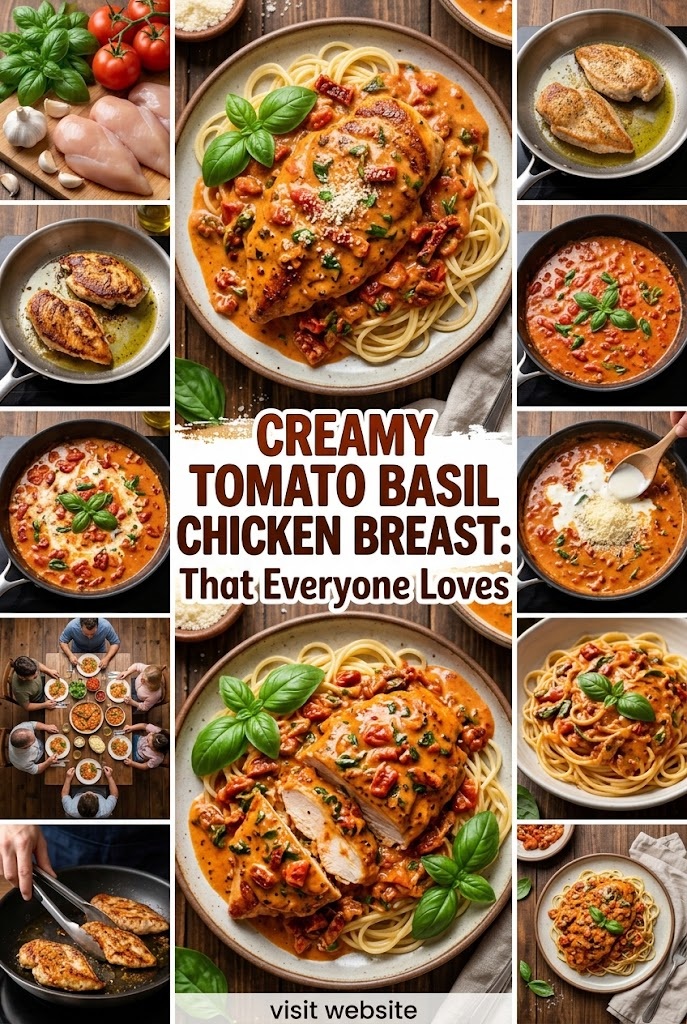
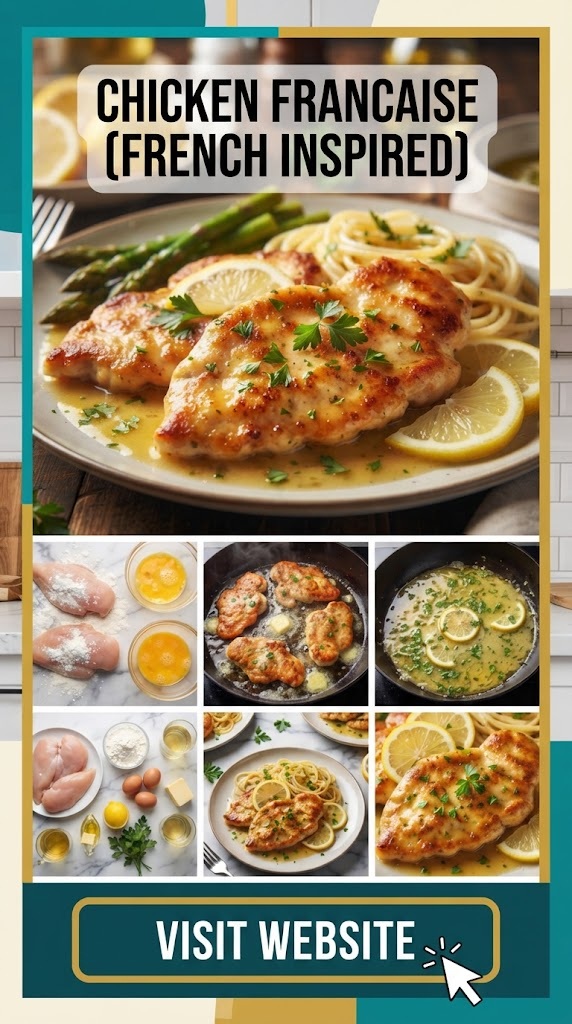
- Dredge and Dip: Coat a cutlet in flour, shake off the excess, then submerge it in the egg wash.
- The Sear: Lay the chicken gently into the pan. Do not crowd the pan; work in batches. Cook for 2–3 minutes per side until the coating is a beautiful “lacey” golden brown.
- Rest: Remove the chicken to a plate. It will finish cooking through the residual heat and the final simmer in the sauce.
The Sauce: The “Grand Finale”
- Deglaze: Pour off the excess fat from the pan but leave the brown bits (the fond). Pour in the white wine, scraping the bottom of the pan with a wooden spoon. Let it reduce by half.
- Infuse: Add the chicken stock and lemon juice. If you like a more intense citrus flavor, toss in a few thin lemon slices.
- Thicken: Simmer until the liquid has reduced by about a third.
- The “Monter au Beurre”: Reduce the heat to low. Whisk in 2-3 tablespoons of cold butter, one piece at a time. The sauce will transform from a thin liquid into a creamy, opaque gold.
- Reunite: Place the chicken back into the pan for 1 minute, spooning the sauce over the top.
Pro Tips for the Perfect Chicken Francaise
- Don’t Rush the Wine: The biggest mistake home cooks make is not letting the wine reduce enough. You want to cook off the harsh alcohol scent, leaving behind only the fruity, acidic essence of the grape.
- Cold Butter is Key: If you add warm or room-temperature butter to the sauce, it will melt into oil rather than emulsifying. Cold butter is the secret to that “velvety” restaurant texture.
- Fresh Herbs Matter: Garnish with a generous amount of fresh flat-leaf parsley right before serving. The heat of the dish will release the herb’s oils, providing a fresh contrast to the heavy sauce.
- Slicing the Lemons: When adding lemon slices to the pan, remove the seeds first. There is nothing worse than a guest biting into a bitter lemon seed mid-meal.
Serving Suggestions: What Pairs with Chicken Francaise?
Chicken Francaise is a “saucy” dish, meaning you need a vessel to soak up every drop of that liquid gold.
1. The Classic: Linguine or Angel Hair
The long strands of pasta are the traditional accompaniment. Toss the pasta in a little bit of the Francaise sauce, garlic, and olive oil before plating the chicken on top.
2. The Modern Choice: Garlic Mashed Potatoes
If you want pure comfort, serve the chicken over a bed of buttery mashed potatoes. The lemon-butter sauce acts as a sophisticated gravy.
3. The Light Side: Sautéed Spinach or Asparagus
The bitterness of sautéed spinach or the crunch of roasted asparagus provides an excellent counterpoint to the richness of the egg-batter and butter sauce.
4. The Essential: Crusty Italian Bread
No Chicken Francaise experience is complete without a piece of warm, crusty bread to “fare la scarpetta”—the Italian tradition of “making the little shoe” to mop up the remaining sauce on the plate.
Wine Pairing: Completing the Experience
Since the dish is defined by lemon and butter, you want a wine that complements those flavors without being overpowered.
- Chardonnay: Specifically, an oaked California Chardonnay. The buttery notes of the wine mirror the sauce, while the acidity cuts through the fried coating.
- Sauvignon Blanc: If you prefer a crisper pairing, a New Zealand Sauvignon Blanc offers citrusy notes that highlight the fresh lemon in the dish.
- Pinot Grigio: A safe, classic Italian choice that provides a clean, neutral palate cleanser between bites.
Common Mistakes to Avoid
- Overcrowding the Pan: If you put too many chicken cutlets in at once, the temperature of the oil drops. Instead of searing, the chicken will “steam,” causing the egg coating to become soggy and slide off.
- Using Too Much Flour: The flour should be a thin veil, not a heavy crust. If it’s too thick, the coating will feel gummy.
- High Heat Sauce: If you boil the sauce after adding the butter, the emulsion will “break,” and you will end up with a greasy mess instead of a creamy sauce. Keep the heat low during the final stages.
Variations of Chicken Francaise
While the traditional recipe is hard to beat, culinary creativity has led to several delicious variations:
- Artichoke Francaise: Adding canned or frozen artichoke hearts to the sauce adds a wonderful texture and a Mediterranean flair.
- Capre Francaise: Adding a tablespoon of non-pareil capers brings a salty, briny pop that moves the dish closer to a Chicken Piccata but keeps the signature Francaise egg wash.
- Gluten-Free Francaise: Simply swap the all-purpose flour for a high-quality 1-to-1 gluten-free flour blend. The egg wash remains the same, and the results are remarkably similar to the original.
The Nutritional Context
While Chicken Francaise is an indulgent dish, it is relatively high in protein thanks to the chicken and eggs. By using thin cutlets, you consume less meat while feeling satisfied by the rich flavors. To make it “healthier,” one can reduce the butter and increase the amount of chicken stock and lemon juice, though the texture of the sauce will be thinner.
Why Chicken Francaise Endures
In an era of trendy food fads and molecular gastronomy, Chicken Francaise remains a beloved staple. Its endurance lies in its balance. It is simultaneously light and rich, tangy and savory, simple and sophisticated. It is a dish that feels like a celebration, whether served at a wedding banquet or on a random Tuesday night at home.
By mastering the “Reverse Breading” technique and the art of the butter emulsion, you aren’t just cooking a meal; you are preserving a piece of culinary history. Chicken Francaise is a testament to the ingenuity of chefs who took simple ingredients—chicken, eggs, lemons, and wine—and turned them into a masterpiece that has defined the American dining landscape for decades.
Storing and Reheating
If you happen to have leftovers (a rare occurrence!), Chicken Francaise stores well in the refrigerator for up to three days.
How to Reheat: Avoid the microwave, as it will make the egg coating rubbery. Instead, place the chicken and sauce in a small skillet over low heat. Add a splash of water or chicken stock to loosen the sauce. Cover and simmer gently until the chicken is warmed through. This preserves the integrity of the sauce and the tenderness of the meat.
Conclusion
Mastering Chicken Francaise is a rite of passage for any home cook looking to elevate their repertoire. It teaches the importance of temperature control, the magic of emulsification, and the power of acidic balance. Once you’ve tasted the combination of a perfectly golden, egg-dipped cutlet bathed in a shimmering lemon-wine sauce, you’ll understand why this dish has earned its place in the pantheon of great American cuisine.
So, grab your mallet, zest your lemons, and prepare to create a dish that is sure to become a requested favorite in your household. Bon Appétit—or as they say in the Italian-American kitchens where this dish was born, Buon Appetito!