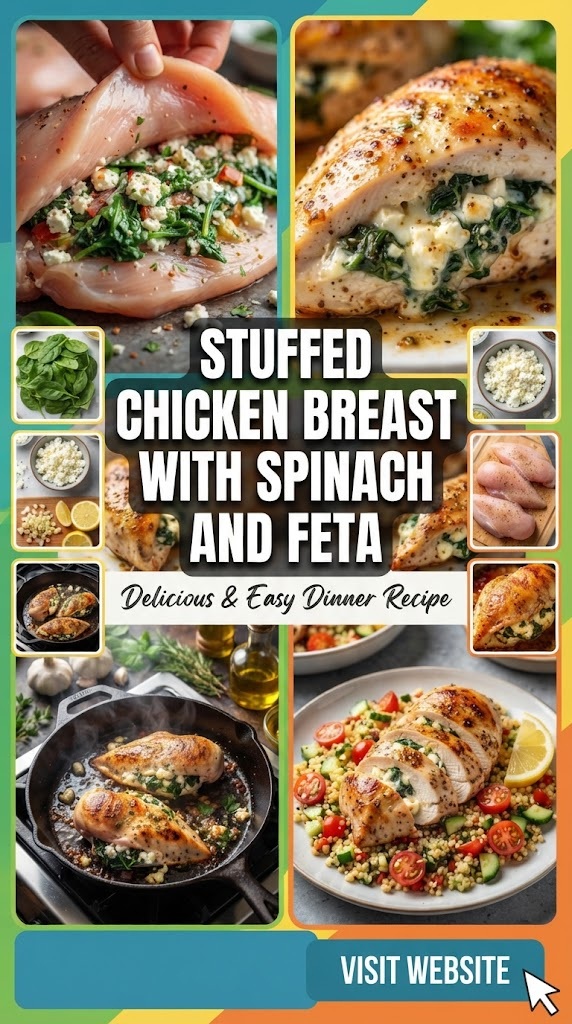
Stuffed Chicken Breast with Spinach and Feta
When it comes to the pantheon of home-cooked meals, few dishes strike the perfect balance between “elegant dinner party centerpiece” and “nutritious weeknight staple” quite like Spinach and Feta Stuffed Chicken Breast. This Mediterranean-inspired classic is a testament to the idea that a few high-quality ingredients, when prepared with the right technique, can create a dish far greater than the sum of its parts.
In this comprehensive guide, we will explore every facet of this beloved dish. From the science of moisture retention in poultry to the nuances of selecting the perfect Greek feta, we are diving deep into the art of the stuffed chicken breast. Whether you are a keto enthusiast, a busy parent, or an aspiring home chef, this guide will provide you with the tools to master this recipe and make it a permanent fixture in your culinary repertoire.
Why Spinach and Feta is a Match Made in Culinary Heaven
The pairing of spinach and feta is iconic, most famously recognized in the Greek pastry spanakopita. But why does it work so well within a chicken breast?
- The Contrast of Textures: The wilted, earthy softness of the spinach provides a delicate cushion for the creamy, slightly grainy texture of the feta cheese.
- The Flavor Balance: Chicken breast is a relatively neutral protein. It requires bold companions. The saltiness and tang of feta provide the necessary punch, while the mineral notes of spinach add depth.
- Moisture Management: One of the greatest challenges in cooking chicken breast is dryness. By stuffing the meat with fat-rich cheese and moisture-rich greens, you create an internal “steaming” effect that keeps the meat succulent from the inside out.
Anatomy of the Perfect Stuffed Chicken Breast
Before we pick up a knife, we must understand our primary canvas: the chicken breast. To achieve restaurant-quality results, you need to consider the source, the cut, and the preparation.
Selecting Your Poultry
For the best flavor and texture, look for “air-chilled” chicken. Conventional chicken is often chilled in cold water baths, which leads to the meat absorbing excess water. Air-chilled chicken has a more concentrated flavor and a skin (if you choose to leave it on) that crisps up far better.
To Butterfly or to Pocket?
There are two primary ways to stuff a chicken breast:
- The Pocket Method: You slice a slit into the thickest part of the breast to create a “pita-like” pocket. This is great for keeping the filling contained but can be tricky to sear evenly.
- The Butterfly and Roll Method: You slice the breast almost in half so it opens like a book, pound it thin, layer the filling, and roll it up. This ensures a more even distribution of filling and a faster cooking time.
The Components: Deep Dive into Ingredients
1. The Spinach: Fresh vs. Frozen
This is a common debate.
- Fresh Spinach: Offers a brighter flavor and better texture. However, it requires a quick sauté beforehand to reduce its volume and release excess water. If you put raw fresh spinach inside chicken, it will release too much water as it cooks, leading to a soggy interior.
- Frozen Spinach: Highly convenient. The key here is drainage. You must thaw it and squeeze it until it is bone-dry. Any leftover liquid will turn your feta into a watery mess.
2. The Feta: Not All Crumbles are Equal
Avoid the pre-crumbled feta found in plastic tubs if possible. These are often coated in potato starch or cellulose to prevent clumping, which affects how the cheese melts. Instead, buy a block of Greek feta packed in brine. It is creamier, tangier, and melts into a luxurious consistency that binds the spinach together.
3. The Aromatics and Seasonings
To elevate the dish from “good” to “extraordinary,” you need:
- Garlic: Sautéed with the spinach for a pungent base.
- Lemon Zest: Adds a high-note of acidity that cuts through the saltiness of the cheese.
- Nutmeg: A tiny pinch of nutmeg is the secret weapon for any spinach-based dish. It highlights the earthy sweetness of the greens.
- Red Pepper Flakes: For a subtle back-end heat.
The Master Recipe: Step-by-Step Instructions
This recipe yields four servings and focuses on the “Pan-to-Oven” technique, which ensures a golden-brown crust and a perfectly cooked interior.
Ingredients
- 4 large boneless, skinless chicken breasts (approx. 8 oz each)
- 6 oz fresh baby spinach
- 4 oz high-quality feta cheese, crumbled
- 2 cloves garlic, minced
- 1 tbsp olive oil (plus more for searing)
- 1 tsp lemon zest
- 1/2 tsp dried oregano
- Kosher salt and freshly cracked black pepper
- Optional: 2 tbsp cream cheese (acts as a binder for a creamier filling)
- Kitchen twine or toothpicks
Instructions
Step 1: Prepare the Filling
In a large skillet over medium heat, add 1 tablespoon of olive oil. Add the minced garlic and sauté for 30 seconds until fragrant. Add the fresh spinach in batches, tossing until completely wilted. Crucial Step: Transfer the cooked spinach to a fine-mesh strainer or a clean kitchen towel. Squeeze out every drop of excess liquid. In a medium bowl, combine the squeezed spinach, crumbled feta, lemon zest, and oregano. If you want a richer filling, mix in the cream cheese here. Season with pepper (be careful with salt, as feta is already salty).
Step 2: Prepare the Chicken
Place the chicken breasts on a cutting board. Using a sharp chef’s knife or a boning knife, cut a slit into the side of the thickest part of the breast to create a deep pocket. Be careful not to cut all the way through to the other side. Season the chicken generously with salt, pepper, and a bit of paprika on both the inside and the outside.
Step 3: The Stuffing Process
Spoon approximately 2-3 tablespoons of the spinach-feta mixture into each chicken pocket. Do not overstuff, or the filling will explode out during cooking. Secure the opening with 2-3 toothpicks or tie the breast with kitchen twine.
Step 4: The Sear
Preheat your oven to 375°F (190°C). Heat a large, oven-safe skillet (cast iron is ideal) over medium-high heat with 2 tablespoons of oil. Once the oil is shimmering, place the chicken breasts in the pan. Sear for 3-5 minutes per side until a deep golden-brown crust forms.
Step 5: The Finish
Transfer the skillet directly into the preheated oven. Bake for 12-15 minutes. The internal temperature of the chicken should reach 165°F (74°C) at the thickest part of the meat (not the filling).
Step 6: The Rest
Remove the chicken from the oven and transfer to a plate. Tent loosely with foil and let it rest for at least 5-7 minutes. This allows the juices to redistribute, ensuring the meat stays moist when you slice into it.
Advanced Techniques for the Home Chef
The Brining Method
If you often find chicken breast to be “woody” or dry, consider a dry brine. Salt the exterior of the chicken 2 hours before cooking and leave it uncovered in the fridge. This changes the protein structure, allowing the meat to hold onto more moisture during the high-heat cooking process.
The “Prosciutto Wrap” Variation
For an added layer of flavor and protection, wrap each stuffed chicken breast in two slices of Prosciutto di Parma or thin-cut bacon before searing. The fat from the cured meat renders into the chicken, and the crispy exterior provides a salty crunch that complements the feta perfectly.
Deglazing the Pan for a Pan Sauce
Don’t let those brown bits (fond) at the bottom of your skillet go to waste! While the chicken rests, place the skillet back on the stove.
- Add 1/4 cup of dry white wine (like Pinot Grigio) or chicken stock.
- Scrape the bottom of the pan to release the flavor.
- Whisk in a tablespoon of cold butter and a squeeze of lemon juice.
- Drizzle this silky sauce over the sliced chicken.
Nutritional Benefits: Why This Dish is a Winner
Stuffed chicken breast is a powerhouse of nutrition, making it a favorite for various dietary lifestyles.
High Protein, Low Carb
Each serving typically contains 35-45 grams of protein, making it excellent for muscle repair and satiety. Because the filling relies on fats and fibers rather than starches, it is naturally Keto-friendly and Low-Carb.
Micronutrient Density
- Spinach: Provides Vitamin K (for bone health), Vitamin A, and folate.
- Feta: While higher in sodium, feta is a good source of riboflavin and Vitamin B12. It also contains conjugated linoleic acid (CLA), which has been linked to improved body composition.
- Garlic: Known for its immune-boosting properties and sulfur compounds.
Pairing Suggestions: Completing the Meal
To turn this dish into a full Mediterranean feast, consider these sides:
The Starch
- Lemon Herb Orzo: Toss cooked orzo with fresh parsley, mint, and a splash of olive oil.
- Roasted Fingerling Potatoes: Roast them with rosemary and garlic in the same oven as the chicken.
- Garlic Quinoa: A high-protein grain alternative that soaks up the juices from the chicken perfectly.
The Vegetable
- Charred Asparagus: Quickly sautéed with a squeeze of lemon.
- Roasted Cherry Tomatoes: Their acidity provides a beautiful contrast to the creamy feta.
- Greek Salad: A fresh cucumber, tomato, and olive salad provides a cool, crisp counterpoint to the warm chicken.
The Wine Pairing
- White Wine: A crisp, high-acidity white is essential. Look for a Sauvignon Blanc from New Zealand or a Greek Assyrtiko. The acidity cuts through the richness of the cheese.
- Red Wine: If you prefer red, go for something light and “chilled-friendly” like a Beaujolais (Gamay) or a light Pinot Noir. Avoid heavy tannins, as they will clash with the saltiness of the feta.
Troubleshooting Common Issues
Issue 1: The Filling Leaks Out
- Solution: This usually happens due to overstuffing or not securing the chicken properly. Use more toothpicks than you think you need, or try the “Roll” method, which uses kitchen twine to create a tighter seal. Also, ensure your pan is very hot when searing to “cauterize” the edges quickly.
Issue 2: The Chicken is Rubbery
- Solution: This is a sign of overcooking. Chicken breast transitions from juicy to rubbery in a matter of 2-3 degrees. Invest in a digital meat thermometer. Pull the chicken at 160°F; the residual heat while resting will bring it up to the safe 165°F.
Issue 3: The Feta Didn’t Melt
- Solution: Feta is a non-melting cheese by nature (due to its high acid content). It will soften and become creamy, but it won’t “stretch” like mozzarella. If you want a gooey, stretchy center, mix the feta with a bit of shredded mozzarella or Monterey Jack.
Storage and Meal Prep Tips
Spinach and Feta Stuffed Chicken is an excellent candidate for meal prep.
- Reheating: To prevent the chicken from drying out during reheating, avoid the microwave if possible. Instead, place the chicken in a covered dish with a splash of water or chicken broth and heat in a 350°F oven for 10 minutes.
- Freezing: You can stuff the chicken breasts in advance and freeze them raw. Wrap them tightly in plastic wrap and then foil. When ready to eat, thaw them overnight in the refrigerator before following the searing and baking instructions.
- Leftovers: Sliced leftover stuffed chicken is incredible on top of a cold Caesar salad or tucked into a wrap with some tzatziki sauce.
Global Variations of Stuffed Chicken
While the Spinach and Feta version is a Mediterranean icon, the concept of stuffed chicken exists globally:
- Chicken Cordon Bleu (France): Stuffed with ham and Swiss cheese, then breaded and fried.
- Chicken Kiev (Ukraine): Stuffed with cold herb butter that melts into a sauce when cut.
- Italian Stuffed Chicken: Often features sun-dried tomatoes, basil, and mozzarella.
- Mexican Stuffed Chicken: Filled with chorizo, black beans, and pepper jack cheese.
By mastering the Spinach and Feta version, you are learning a foundational technique that allows you to experiment with flavors from around the world.
Frequently Asked Questions (FAQ)
Can I use chicken thighs instead of breasts?
Yes! Chicken thighs are more forgiving and have a higher fat content, making them very juicy. However, they are smaller and harder to “pocket.” It is better to use the “Butterfly and Roll” method for thighs.
Is this recipe gluten-free?
As written, yes. Just ensure your spices and feta are certified gluten-free. If you choose to bread the chicken for extra crunch, use almond flour or gluten-free breadcrumbs.
How do I make this dairy-free?
You can substitute the feta with a vegan “feta” style cheese (often almond or coconut oil-based) or use a mixture of soaked cashews blended with lemon juice and nutritional yeast to mimic the tang of feta.
Can I make this in an Air Fryer?
Absolutely. Air fry the stuffed breasts at 375°F for 18-22 minutes, turning halfway through. The air fryer is excellent for getting a crispy exterior without using as much oil.
The Secret to the Perfect Crust: The “Mayo” Hack
A secret trick used by many professional chefs to get an incredible golden crust on chicken breast is to rub a very thin layer of mayonnaise on the outside of the chicken before seasoning. Because mayo is primarily oil and egg protein, it facilitates the Maillard reaction (browning) much more efficiently than oil alone, and it helps the spices stick to the meat.
Conclusion: Elevating the Everyday
The Spinach and Feta Stuffed Chicken Breast is more than just a recipe; it is a culinary bridge. It bridges the gap between healthy eating and indulgent flavor. It bridges the gap between a novice cook’s capabilities and a gourmet meal.
The beauty of this dish lies in its versatility. Once you have mastered the basic technique of creating a pocket, managing the moisture of the greens, and balancing the salt of the cheese, the possibilities are endless. You can add roasted red peppers for sweetness, pine nuts for crunch, or even a layer of pesto for an herbal explosion.
Cooking is an act of love and a pursuit of craft. By taking the time to source the best ingredients and following the techniques outlined in this guide—from the dry brine to the resting period—you are ensuring a dining experience that will impress your guests and nourish your body.
So, next time you find yourself with a package of chicken breasts and a lack of inspiration, remember the humble spinach and the tangy feta. With a little bit of prep and a hot skillet, you are less than thirty minutes away from a masterpiece.
Final Pro-Tip Summary:
- Dry the spinach until it feels like fabric.
- Don’t skip the lemon zest; it’s the “light switch” for the flavor.
- Use a thermometer; 165°F is the goal, not a suggestion.
- Rest the meat; patience is the final ingredient.
Enjoy your journey into the heart of Mediterranean cooking!