Chicken Soba Noodles (Healthy)
Chicken Soba Noodles (Healthy)
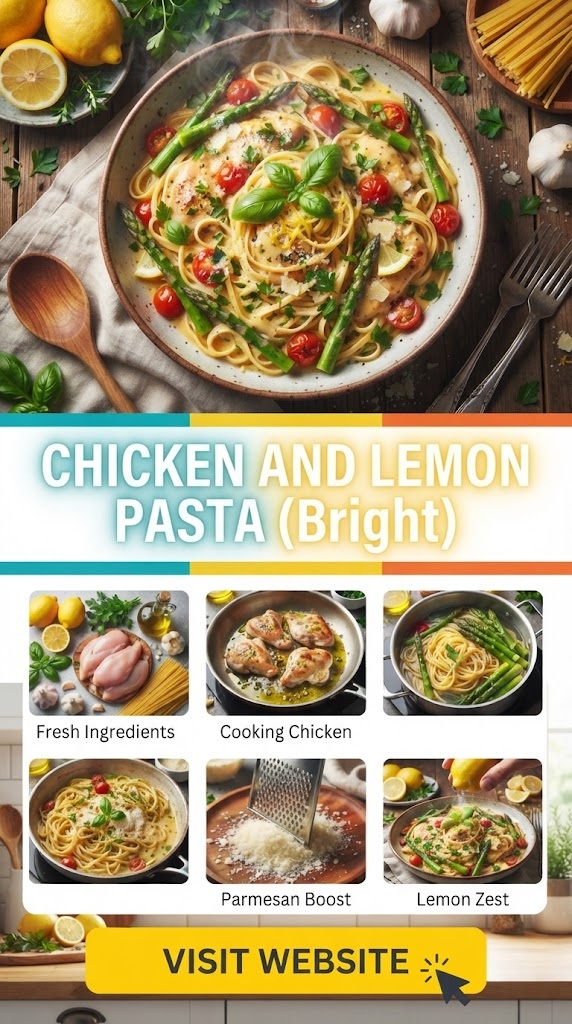
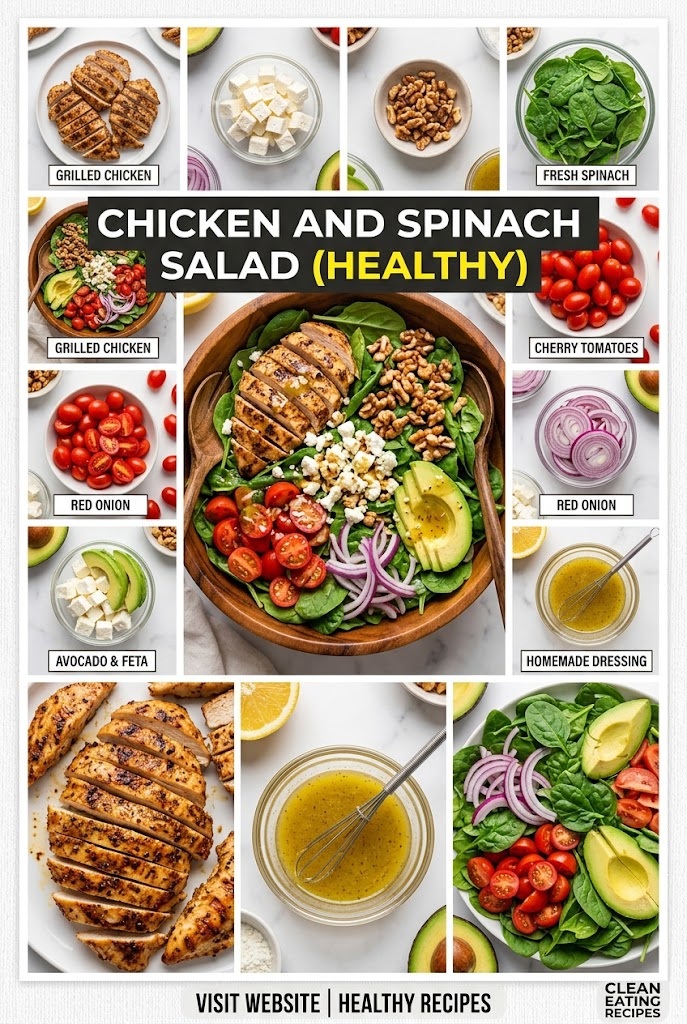
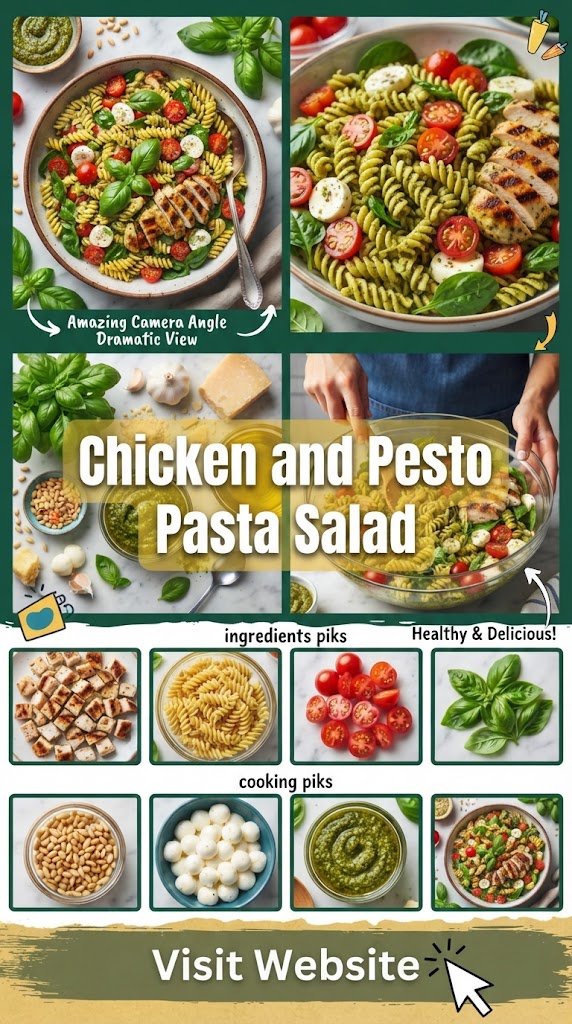
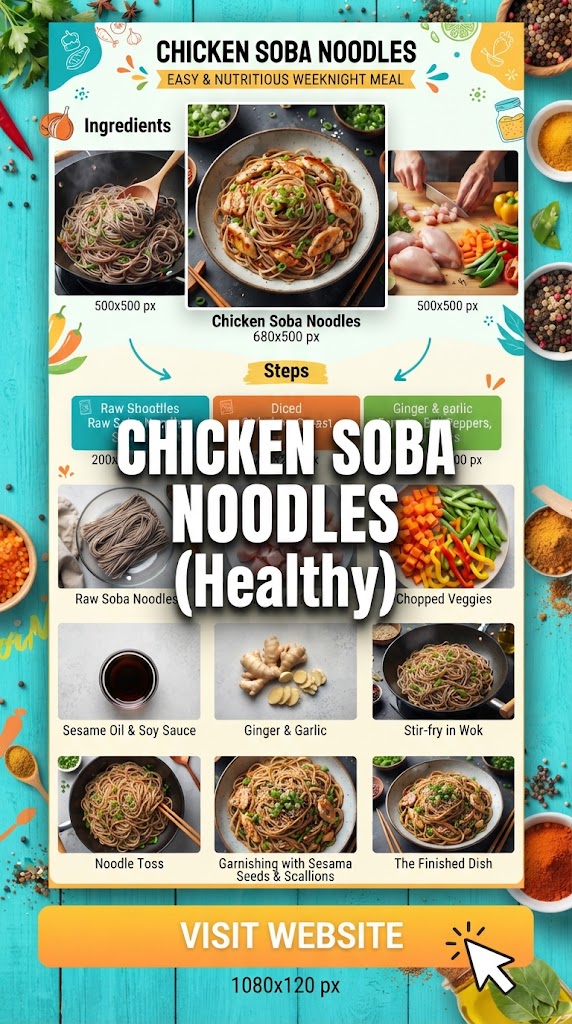
Chicken Soba Noodles are a delicious, balanced meal that combines tender chicken, nutty Japanese-style buckwheat noodles, crisp vegetables, and a light savory sauce. This healthy chicken noodle recipe is perfect for lunch or dinner because it is filling without feeling overly heavy. It comes together quickly, making it especially useful for busy weeknights, meal preparation, or anyone looking for a flavorful alternative to traditional pasta dishes.
The combination of chewy soba noodles, juicy chicken, crunchy vegetables, fresh herbs, and a simple soy-sesame dressing gives every bite a wonderful mix of textures and flavors. You can serve the noodles warm, at room temperature, or chilled, which makes this recipe particularly versatile.
Why You’ll Love This Chicken Soba Noodles Recipe
There are plenty of reasons to add this recipe to your regular meal rotation.
Healthy and Balanced
This dish combines lean chicken for protein, soba noodles for carbohydrates, and colorful vegetables for fiber and nutrients. The sauce adds plenty of flavor without requiring a heavy cream-based dressing.
Quick to Prepare
Most of the ingredients cook quickly. With your ingredients prepared ahead of time, you can have dinner on the table in roughly 30 minutes.
Full of Flavor
Soy sauce, sesame oil, garlic, ginger, rice vinegar, and a small amount of honey create a savory, tangy, slightly sweet sauce that coats every noodle.
Great for Meal Prep
Chicken soba noodles can be prepared ahead and portioned into containers for easy lunches throughout the week.
Flexible
You can easily substitute vegetables, change the protein, adjust the spice level, or make the recipe vegetarian.
Complete Recipe
Chicken Soba Noodles
Prep Time: 15 minutes
Cook Time: 15 minutes
Total Time: 30 minutes
Servings: 4
Course: Lunch or Dinner
Cuisine: Asian-inspired
Difficulty: Easy
Ingredients Form
For the Chicken
- 1 pound boneless, skinless chicken breast
- 1 tablespoon low-sodium soy sauce
- 1 teaspoon sesame oil
- 1 teaspoon fresh grated ginger
- 1 garlic clove, finely minced
- ½ teaspoon black pepper
- 1 tablespoon neutral cooking oil
For the Soba Noodles
- 8 ounces soba noodles
- 6 cups water for boiling
- 1 teaspoon salt, optional
For the Vegetables
- 1 medium carrot, julienned
- 1 red bell pepper, thinly sliced
- 1 cup shredded cabbage
- 1 small cucumber, thinly sliced
- 3 green onions, sliced
- ½ cup edamame, cooked and shelled
- ¼ cup fresh cilantro, chopped
For the Sauce
- ¼ cup low-sodium soy sauce
- 1 tablespoon rice vinegar
- 1 tablespoon sesame oil
- 1 tablespoon honey
- 1 tablespoon fresh lime juice
- 1 teaspoon freshly grated ginger
- 1 garlic clove, minced
- 1 teaspoon chili flakes, optional
- 1 teaspoon toasted sesame seeds
- 1–2 tablespoons water, as needed
Optional Garnishes
- Toasted sesame seeds
- Sliced green onions
- Fresh cilantro
- Lime wedges
- Thinly sliced red chili
- Crushed roasted peanuts
- Chili crisp, optional
Ingredient Notes
Chicken Breast
Chicken breast works particularly well because it is lean and cooks quickly. For extra tenderness, avoid overcooking it.
Chicken thighs can also be used if you prefer darker meat. They contain more fat and generally remain juicy even if cooked slightly longer.
Soba Noodles
Soba noodles are Japanese noodles traditionally made with buckwheat flour. Some varieties are made entirely from buckwheat, while others combine buckwheat with wheat flour.
Check the package if you need gluten-free noodles because not every soba noodle is gluten-free.
Soy Sauce
Low-sodium soy sauce gives you more control over the saltiness. Regular soy sauce can also be used, but you may want to reduce the amount slightly.
For a gluten-free version, use tamari or a certified gluten-free soy sauce.
Sesame Oil
Sesame oil contributes a distinctive nutty aroma. A small amount is enough because its flavor is quite strong.
Honey
Honey adds a gentle sweetness that balances the salty soy sauce and acidic rice vinegar.
You can substitute maple syrup if desired.
Vegetables
The vegetables are completely customizable. Carrots, bell peppers, cabbage, cucumber, broccoli, snap peas, spinach, and edamame all work beautifully.
How to Cook Chicken Soba Noodles
Step 1: Prepare the Chicken
Begin by trimming any excess fat from the chicken breasts.
Place the chicken on a clean cutting board and pat it dry with paper towels. Cutting the chicken into thin strips helps it cook quickly and evenly.
Place the chicken in a bowl.
Add:
- 1 tablespoon soy sauce
- 1 teaspoon sesame oil
- 1 teaspoon grated ginger
- 1 minced garlic clove
- ½ teaspoon black pepper
Mix until the chicken is evenly coated.
Allow the chicken to sit for about 5–10 minutes while you prepare the other ingredients.
Step 2: Prepare the Vegetables
Wash and dry the vegetables thoroughly.
Julienne the carrot into thin matchsticks.
Slice the red bell pepper into thin strips.
Shred the cabbage.
Slice the cucumber into thin pieces.
Slice the green onions.
Chop the cilantro.
If using frozen edamame, cook it according to the package directions, then drain and cool.
Keep the vegetables separated or place them together in a large bowl.
The goal is to have all vegetables ready before cooking the chicken and noodles.
Step 3: Make the Sauce
In a small bowl, combine:
- ¼ cup low-sodium soy sauce
- 1 tablespoon rice vinegar
- 1 tablespoon sesame oil
- 1 tablespoon honey
- 1 tablespoon lime juice
- 1 teaspoon grated ginger
- 1 minced garlic clove
- 1 teaspoon chili flakes, if using
Whisk everything together.
Taste the sauce.
If it tastes too salty, add 1–2 tablespoons water.
If you want more acidity, add a little extra lime juice or rice vinegar.
If you want more sweetness, add a small amount of honey.
Set the sauce aside.
Step 4: Cook the Soba Noodles
Bring a large pot of water to a boil.
Add the soba noodles.
Cook according to the package instructions. Soba noodles generally cook quickly, so keep an eye on them.
Avoid overcooking.
The noodles should be tender but still slightly firm.
Once cooked, drain them immediately.
Rinse the noodles thoroughly under cold running water.
This is an important step when preparing soba noodles.
Rinsing removes excess starch and helps prevent the noodles from becoming sticky and clumped together.
Gently toss the noodles while rinsing to separate them.
Drain well.
Step 5: Cook the Chicken
Heat a large skillet over medium-high heat.
Add 1 tablespoon cooking oil.
Once the oil is hot, add the marinated chicken pieces in a single layer.
Do not overcrowd the pan. If necessary, cook the chicken in two batches.
Cook for approximately 3–5 minutes per side, depending on the thickness of the pieces.
The chicken should develop light browning on the outside and be fully cooked inside.
For food safety, chicken should reach an internal temperature of 165°F (74°C) at the thickest point.
Once cooked, remove the chicken from the pan and allow it to rest for several minutes.
Then slice it into bite-sized pieces if necessary.
Step 6: Combine the Ingredients
Place the cooled or room-temperature soba noodles into a large mixing bowl.
Add:
- Cooked chicken
- Carrots
- Bell pepper
- Cabbage
- Cucumber
- Edamame
- Green onions
- Cilantro
Pour the prepared sauce over the top.
Use tongs to gently toss everything together.
Make sure the sauce coats the noodles evenly.
Avoid stirring too aggressively because soba noodles can break.
Step 7: Add the Final Garnishes
Sprinkle toasted sesame seeds over the noodles.
Add additional sliced green onions and cilantro.
For a little heat, add thinly sliced fresh chili or a small spoonful of chili crisp.
Serve with fresh lime wedges.
Your healthy chicken soba noodles are ready.
How to Get Perfect Soba Noodles
Cooking soba noodles properly makes a significant difference.
Don’t Overcook Them
Soba noodles can become soft quickly. Follow the package instructions and begin checking them before the suggested cooking time ends.
Rinse Immediately
After draining, rinse the noodles under cold water.
This removes surface starch and helps keep individual noodles separate.
Don’t Leave Them Sitting in Hot Water
Leaving cooked soba noodles in hot water causes them to continue cooking.
Drain them promptly.
Toss Gently
Soba noodles are delicate. Use tongs or chopsticks to separate them carefully.
How to Keep Chicken Juicy
Chicken breast can become dry if overcooked.
For juicy chicken:
- Cut the chicken into evenly sized pieces.
- Avoid extremely high heat that burns the outside before the inside cooks.
- Cook the chicken in a single layer.
- Don’t overcrowd the skillet.
- Remove the chicken as soon as it reaches a safe internal temperature.
- Allow it to rest before slicing.
Thin chicken strips are particularly useful because they cook rapidly.
Warm or Cold Chicken Soba Noodles?
This recipe works both ways.
Warm
For a warm meal, toss freshly cooked soba noodles with the chicken and vegetables while everything is still slightly warm.
The sauce becomes aromatic and coats the noodles beautifully.
Chilled
For a refreshing lunch, cool the noodles completely and refrigerate the assembled dish before serving.
Chilled soba noodles are especially enjoyable during warm weather.
Room Temperature
Room-temperature soba noodles are also excellent for picnics, lunch boxes, and meal preparation.
Healthy Vegetable Variations
One of the best things about this recipe is how easily you can change the vegetables.
Broccoli
Steam or blanch small broccoli florets before adding them.
Snap Peas
Slice them thinly for a sweet, crunchy texture.
Spinach
Fresh spinach can be mixed into the warm noodles so that it gently wilts.
Mushrooms
Sauté sliced mushrooms with the chicken for additional savory flavor.
Zucchini
Thinly sliced zucchini adds moisture and mild flavor.
Red Cabbage
Red cabbage provides beautiful color and a crisp texture.
Bean Sprouts
Fresh bean sprouts add crunch and work particularly well with the sesame-soy dressing.
Protein Substitutions
Although chicken is the star of this recipe, several other proteins can be used.
Chicken Thighs
Chicken thighs create a richer and juicier dish.
Shrimp
Shrimp cooks very quickly and pairs wonderfully with the sesame dressing.
Salmon
Flaked cooked salmon creates a richer version with plenty of flavor.
Tofu
Use firm or extra-firm tofu for a vegetarian option.
Press the tofu before cooking to remove excess moisture, then cube and pan-fry until golden.
Edamame
For a simple vegetarian meal, increase the amount of edamame and add additional vegetables.
Sauce Variations
The basic sauce is flavorful, but you can customize it.
Spicy Sauce
Add:
- Chili flakes
- Sriracha
- Fresh chili
- Chili crisp
Peanut Sauce
Add 1–2 tablespoons smooth peanut butter.
Whisk thoroughly and add water until the sauce reaches a pourable consistency.
Creamy Sesame Sauce
Add a small spoonful of tahini for a richer sesame flavor.
Citrus Sauce
Increase the lime juice and add a little orange zest.
The citrus gives the dish a fresh, bright flavor.
Meal Prep Instructions
Chicken soba noodles are excellent for meal preparation.
Prepare the chicken, noodles, vegetables, and sauce separately.
Allow the cooked ingredients to cool before assembling.
Divide the noodles among airtight containers.
Add chicken and vegetables.
Pour the sauce over each portion or keep it separately in small containers.
Refrigerate promptly.
For the best texture, eat the prepared noodles within a few days and keep refrigerated.
If the noodles become slightly dry after refrigeration, add a small splash of water, soy sauce, lime juice, or sesame dressing before serving.
Storage
Store leftovers in an airtight container in the refrigerator.
Because this recipe contains cooked chicken and fresh vegetables, proper refrigeration is important.
When reheating, warm the chicken and noodles gently rather than aggressively boiling them.
You can also enjoy leftovers cold.
If the noodles have absorbed some of the dressing, refresh them with a small amount of sauce before serving.
Can You Freeze Chicken Soba Noodles?
Freezing is not the best option for the complete assembled dish.
Soba noodles can change texture after freezing and thawing, while fresh vegetables such as cucumber can become watery.
For better results, freeze the cooked chicken separately.
Prepare fresh noodles and vegetables when you’re ready to serve.
Common Mistakes to Avoid
1. Overcooking the Noodles
Soft, mushy soba noodles can ruin the texture.
Cook them just until tender.
2. Skipping the Rinse
This is one of the most common mistakes.
Always rinse cooked soba noodles thoroughly.
3. Using Too Much Sauce
Adding too much sauce can make the noodles soggy and overpower the vegetables.
Start with most of the sauce and add more if necessary.
4. Overcrowding the Chicken
Crowding causes the chicken to steam instead of brown.
Use a large skillet or cook in batches.
5. Cutting Vegetables Too Thick
Large chunks can make the dish difficult to eat.
Thinly sliced vegetables blend better with the noodles.
6. Overcooking Chicken
Chicken breast becomes dry when cooked too long.
Use an instant-read thermometer when possible.
Tips for Making the Best Chicken Soba Noodles
Use Fresh Ginger
Fresh ginger gives the sauce a much brighter flavor than dried ginger.
Toast the Sesame Seeds
A short amount of dry-toasting brings out their nutty aroma.
Watch them carefully because they can burn quickly.
Cut Everything Evenly
Thin, similar-sized vegetable pieces make the finished dish easier to eat.
Prepare Everything Before Cooking
This recipe moves quickly once the pan and noodles are hot.
Have the sauce, vegetables, and chicken ready before starting.
Taste Before Serving
Taste the finished noodles and adjust the seasoning.
You may want additional lime juice, soy sauce, chili, or sesame oil depending on your preference.
Serving Suggestions
Chicken soba noodles are substantial enough to serve as a complete meal.
For a larger dinner, serve them with:
- Steamed edamame
- Asian-inspired cucumber salad
- Steamed broccoli
- Miso-style soup
- Roasted vegetables
- Fresh fruit
- Extra lime wedges
You can also serve smaller portions as part of a larger Asian-inspired meal.
Frequently Asked Questions
Are chicken soba noodles healthy?
They can be a balanced meal because they combine protein, vegetables, and carbohydrates. Using lean chicken, plenty of vegetables, and a moderate amount of sauce keeps the dish relatively light.
Are soba noodles healthier than regular pasta?
Soba noodles can provide a different nutritional profile from traditional wheat pasta, particularly when they contain a high proportion of buckwheat. However, the nutritional value varies by product, so checking the package is useful.
Can I use regular noodles?
Yes. If soba noodles aren’t available, you can substitute whole-wheat noodles, rice noodles, or another noodle you enjoy.
The texture and flavor will be different, but the sauce will still work well.
Can I make this gluten-free?
Yes, but check every ingredient carefully. Choose certified gluten-free soba noodles if necessary and use gluten-free tamari instead of regular soy sauce.
Can I make it vegetarian?
Absolutely.
Replace the chicken with tofu, additional edamame, mushrooms, or another plant-based protein.
Can I make it spicy?
Yes. Add chili flakes, sriracha, chili crisp, or fresh sliced chili.
For a family-friendly meal, serve the spicy ingredients separately.
Can I serve this cold?
Yes. Chilled chicken soba noodles make an excellent summer lunch.
What vegetables go best with soba noodles?
Carrots, cucumber, cabbage, bell peppers, edamame, green onions, broccoli, mushrooms, and snap peas are excellent choices.
Nutritional Information
Approximate nutrition will vary depending on the specific ingredients and brands used.
Estimated per serving:
- Calories: 450–520
- Protein: 35–40 g
- Carbohydrates: 50–55 g
- Fat: 12–17 g
- Fiber: 5–7 g
- Sugar: 6–9 g
- Sodium: Variable depending on soy sauce
For a lower-sodium version, use low-sodium soy sauce and reduce the quantity used in both the marinade and dressing.
How to Make the Recipe Lighter
If you’re trying to reduce calories while keeping the meal satisfying, consider these adjustments:
Add More Vegetables
Increase the amount of cabbage, cucumber, carrots, mushrooms, and peppers.
Reduce the Noodles
Use 6 ounces instead of 8 ounces of noodles and increase the vegetables.
Use Lean Chicken
Skinless chicken breast works well for a lean protein source.
Control the Sauce
Rather than adding all the sauce immediately, add it gradually.
Reduce Added Sweetener
Use less honey if you prefer a less sweet dressing.
How to Make It More Filling
If you want a heartier meal, increase the chicken or add more edamame.
You can also include:
- Tofu
- Extra vegetables
- Avocado
- Peanuts
- Cashews
Keep in mind that nuts and avocado increase the fat and calorie content, although they also contribute richness and texture.
Family-Friendly Version
For children or anyone who prefers mild flavors, leave out the chili flakes and fresh chili.
You can also serve the ingredients separately:
- Plain soba noodles
- Cooked chicken
- Carrots
- Cucumber
- Edamame
- Mild sauce
This allows everyone to assemble their own bowl.
Restaurant-Style Presentation
Presentation can make a simple noodle dish look impressive.
Place the soba noodles in a shallow bowl.
Arrange slices of chicken over the top.
Add colorful vegetables around the chicken.
Sprinkle sesame seeds and sliced green onions over everything.
Finish with cilantro and a lime wedge.
For an especially attractive presentation, arrange the vegetables in small sections rather than mixing everything immediately.
The Best Way to Serve Leftovers
Cold leftovers can be excellent, but the noodles may absorb some of the sauce overnight.
Before serving, toss the noodles with:
- A splash of water
- A little rice vinegar
- A few drops of sesame oil
- Fresh lime juice
Add fresh green onions or cilantro to brighten the flavor.
Final Recipe Summary
Chicken Soba Noodles are an easy, colorful, flavorful meal that combines tender seasoned chicken with chewy soba noodles, crunchy vegetables, edamame, and a light sesame-soy dressing.
The recipe is flexible enough for everyday cooking. You can make it spicy or mild, serve it warm or cold, change the vegetables, substitute the protein, or prepare it ahead for lunches.
The most important techniques are simple: don’t overcook the soba noodles, rinse them immediately after cooking, avoid overcooking the chicken, and add the sauce gradually.
Once you have the basic recipe mastered, you can create countless variations based on whatever vegetables and proteins you have available.
Whether you’re preparing a quick weeknight dinner, a healthy lunch, or a meal-prep recipe for several days, these Chicken Soba Noodles offer a satisfying combination of protein, vegetables, noodles, and bold Asian-inspired flavors without requiring complicated cooking techniques.
Quick Recipe Card
Chicken Soba Noodles (Healthy)
Serves: 4
Prep: 15 minutes
Cook: 15 minutes
Total: 30 minutes
Ingredients
- 1 lb boneless skinless chicken breast
- 8 oz soba noodles
- 1 carrot
- 1 red bell pepper
- 1 cup shredded cabbage
- 1 cucumber
- ½ cup edamame
- 3 green onions
- ¼ cup cilantro
- ¼ cup low-sodium soy sauce
- 1 tbsp rice vinegar
- 1 tbsp sesame oil
- 1 tbsp honey
- 1 tbsp lime juice
- 2 garlic cloves
- 2 tsp fresh ginger
- 1 tbsp cooking oil
- Chili flakes and sesame seeds, optional
Cooking Method
- Marinate sliced chicken with soy sauce, sesame oil, ginger, garlic, and pepper.
- Prepare and slice all vegetables.
- Whisk together the sauce ingredients.
- Cook soba noodles according to package directions.
- Drain and rinse noodles thoroughly under cold water.
- Cook chicken in a hot skillet until browned and fully cooked.
- Combine noodles, chicken, vegetables, edamame, and sauce.
- Toss gently until evenly coated.
- Garnish with sesame seeds, green onions, cilantro, and lime.
- Serve warm, at room temperature, or chilled.
Enjoy your healthy, flavorful Chicken Soba Noodles!