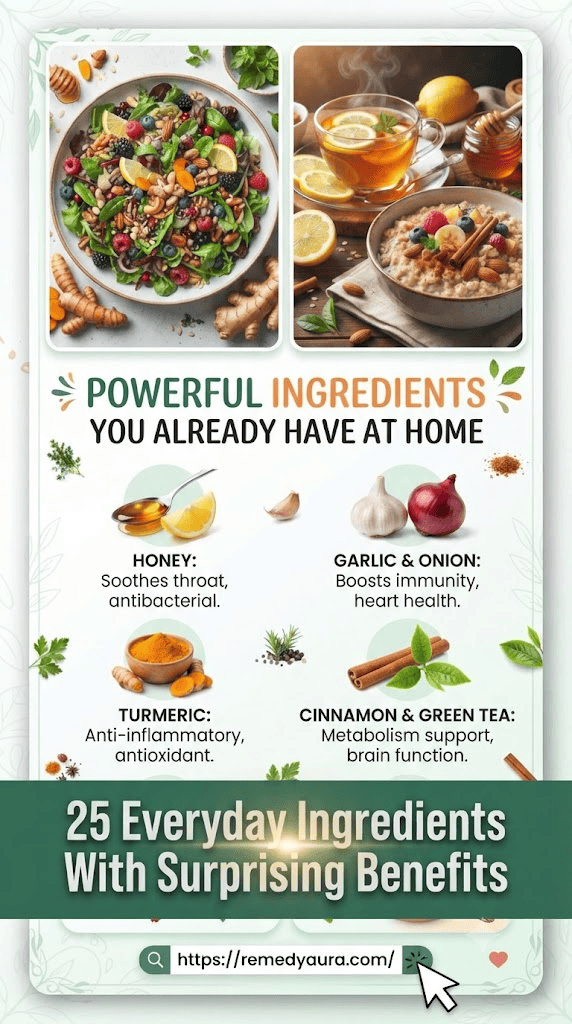
Easy DIY Remedies for Beginners
Easy DIY Remedies for Beginners: The Ultimate Honey Lemon Ginger Tea Guide
Meta Description: Learn how to make this easy DIY remedy for beginners with simple ingredients. Discover the benefits, safety tips, and a step-by-step recipe for honey lemon ginger tea.
Suggested SEO Slug: easy-diy-remedies-beginners-honey-lemon-ginger-tea
Introduction
There’s something deeply comforting about a warm mug of tea when you’re feeling under the weather. But what if that simple cup could do more than just warm your hands? For generations, families across the United States have turned to a classic combination—honey, lemon, and ginger—as a go-to home remedy for soothing sore throats, calming coughs, and giving the immune system a gentle nudge.
If you’re new to the world of natural wellness, this is one of the easiest DIY remedies for beginners to master. You don’t need fancy equipment, expensive ingredients, or hours of prep time. In fact, you probably already have everything you need in your kitchen pantry. This article will walk you through everything you need to know about this time-honored remedy—from what it is and how to make it, to who should use it and who should steer clear.
Whether you’re looking for a natural way to support your health during cold and flu season or simply want a delicious, soothing beverage to enjoy on a chilly evening, this guide has you covered. Let’s dive in.
What Is Honey Lemon Ginger Tea?
Honey lemon ginger tea is a warm, soothing beverage made by steeping fresh ginger root in hot water and blending it with fresh lemon juice and honey. It’s not actually “tea” in the traditional sense—it doesn’t contain leaves from the Camellia sinensis plant—but rather a herbal infusion or tisane.
This remedy has roots in traditional medicine systems around the world. Ginger has been used in Ayurveda and Traditional Chinese Medicine for thousands of years to support digestion and circulation. Lemon, rich in vitamin C, has long been valued for its immune-supporting properties. And honey—well, honey has been a trusted soother for sore throats and coughs for centuries.
What makes this one of the most accessible DIY remedies for beginners is its simplicity. You’re not extracting complex compounds or fermenting anything. You’re simply combining three wholesome ingredients that work together in a way that’s both delicious and potentially beneficial for your health.
Key Ingredients
For this beginner-friendly remedy, you’ll need just three main ingredients—plus water. Here’s what you’ll need and why each one matters.
1. Fresh Ginger Root (1 to 2 inches, about 1 ounce)
Fresh ginger is the star of this remedy. It has a warm, spicy flavor and contains bioactive compounds like gingerol and shogaol, which are responsible for many of its potential health benefits. Ginger has been traditionally used to help with nausea, digestion, and inflammation. Look for firm, smooth-skinned ginger root at your local grocery store. Avoid any that feel shriveled or have mold spots.
Role: Provides warmth, supports digestion, and may help reduce inflammation.
2. Fresh Lemon (½ to 1 medium lemon, about 1–2 tablespoons juice)
Fresh lemon juice adds brightness and a dose of vitamin C, an essential nutrient that supports immune function. Lemon also helps cut through congestion and adds a refreshing tang that balances the spiciness of the ginger. Use fresh lemons rather than bottled juice for the best flavor and nutrient content.
Role: Adds vitamin C, supports immune health, and helps break up mucus.
3. Raw Honey (1 to 2 tablespoons, adjust to taste)
Honey is nature’s sweetener with a purpose. It coats and soothes the throat, which can help calm coughs and irritation. Research has shown that honey can be more effective than some over-the-counter cough medications for relieving nighttime coughs. Choose raw, unfiltered honey if possible—it retains more of its natural enzymes and beneficial compounds. Important: Never give honey to infants under 12 months old due to the risk of botulism.
Role: Soothes the throat, adds natural sweetness, and may help calm coughs.
4. Water (1 to 2 cups)
Filtered or spring water is best. The water serves as the base that extracts the flavors and beneficial compounds from the ginger.
Optional add-ins: A pinch of ground cinnamon, a dash of turmeric, or a few slices of fresh turmeric can add extra flavor and potential benefits. Some people also like to add a pinch of black pepper to enhance the absorption of turmeric’s active compound, curcumin.
How to Make Honey Lemon Ginger Tea
This is one of the simplest DIY remedies for beginners to prepare. Here’s a step-by-step guide.
Preparation Time: 10 minutes
Yields: 1 serving (easily scalable)
Step-by-Step Instructions
Step 1: Prepare the ginger. Wash the ginger root thoroughly. You can peel it with a spoon or vegetable peeler, though the skin is edible and contains nutrients. Slice the ginger into thin rounds—about ¼-inch thick. Thinner slices release more flavor.
Step 2: Boil the water. In a small saucepan, bring 1½ to 2 cups of water to a rolling boil.
Step 3: Simmer the ginger. Add the sliced ginger to the boiling water, reduce the heat to low, and let it simmer for 5 to 10 minutes. The longer it simmers, the stronger and spicier the flavor will be.
Step 4: Strain. Remove the saucepan from heat. Pour the ginger-infused water through a fine-mesh strainer into your favorite mug.
Step 5: Add lemon and honey. Stir in 1 to 2 tablespoons of fresh lemon juice and 1 to 2 tablespoons of honey. Adjust to your taste preferences.
Step 6: Stir and enjoy. Give it a good stir, let it cool for a minute or two, and enjoy your warm, soothing remedy.
Storage Instructions
If you make a larger batch, you can store it in the refrigerator for up to 3 days. Simply reheat gently on the stove or in the microwave before drinking. For longer storage, you can make a “concentrate” by simmering ginger in water, straining, and storing the liquid in a sealed jar in the fridge for up to a week. Add lemon and honey fresh each time you serve.
How to Use Honey Lemon Ginger Tea
This remedy is incredibly versatile. Here’s how and when to use it.
For Sore Throat or Cough
Sip it slowly while warm. The honey coats and soothes the throat, while the warm liquid helps loosen congestion. You can drink it up to 3 times a day as needed.
For Digestive Comfort
Drink a cup about 30 minutes before or after meals to support digestion. Ginger has traditionally been used to help settle the stomach.
As a Morning Pick-Me-Up
Some people enjoy a cup first thing in the morning as a gentle, caffeine-free way to start the day. It’s hydrating and provides a natural energy boost without the jitters.
When to Avoid
Avoid drinking this remedy on an entirely empty stomach if you’re sensitive to acidic or spicy foods, as it may cause mild stomach upset in some individuals.
Potential Benefits
While no home remedy should be considered a cure-all, honey lemon ginger tea offers several potential benefits that are supported by traditional use and, in some cases, scientific research.
May Soothe Sore Throats and Calm Coughs
This is perhaps the most well-known use of this remedy. Honey has been shown to be effective at soothing coughs and sore throats, often outperforming over-the-counter cough suppressants. The warm liquid also helps soothe irritated throat tissues.
May Support Immune Function
Lemon provides vitamin C, which plays a role in immune health. Ginger contains compounds with antioxidant properties. Together with honey, which also has antioxidant activity, this trio may offer gentle immune support.
May Aid Digestion
Ginger has a long history of use for digestive complaints, including nausea and indigestion. Some research suggests that ginger may help improve digestion and reduce inflammation in the digestive tract.
May Help Reduce Inflammation
Ginger contains gingerol and other bioactive compounds that have anti-inflammatory properties. While more research is needed, these properties may contribute to overall wellness.
May Support Liver Health
Some preliminary research suggests that ginger may support liver function. A study mentioned in the Journal of Hepatic Medicine found that people who drank warm ginger tea daily for four weeks experienced improved blood flow to the liver. However, more research is needed to confirm these findings.
Why These Ingredients May Work
Let’s take a closer look at the science behind this simple combination.
Ginger: The Anti-Inflammatory Root
Ginger (Zingiber officinale) contains gingerol, a compound with potent antioxidant and anti-inflammatory properties. Research suggests that ginger may help reduce nausea, support digestion, and modulate the body’s inflammatory response. A meta-analysis of randomized controlled trials also found that ginger may support weight management and metabolic health.
Lemon: The Vitamin C Powerhouse
Lemons are rich in vitamin C, a nutrient that supports immune function and acts as an antioxidant. Lemon also contains flavonoids and polyphenols that may have additional health benefits. The acidity of lemon juice may also help break down mucus, making it easier to clear congestion.
Honey: The Soothing Sweetener
Honey has been used medicinally for centuries. Its antibacterial and anti-inflammatory properties help soothe irritated tissues. Research shows that honey can be effective for cough relief in adults and children over age one. Adding honey to herbal tea also increases its antioxidant activity.
The Synergy
When combined, these three ingredients create what some experts call a “co-organization effect”—ginger activates circulation, lemon balances pH, and honey supports cellular health. While this sounds impressive, it’s important to note that most of these benefits are based on traditional use and preliminary research. More high-quality clinical trials are needed to fully understand the extent of these effects.
Who May Benefit From This Remedy
This beginner-friendly remedy may be useful for:
-
Adults looking for a natural way to soothe a mild sore throat or cough.
-
Anyone wanting a warm, comforting beverage during cold and flu season.
-
People who experience occasional digestive discomfort.
-
Those seeking a caffeine-free, naturally sweetened drink as an alternative to coffee or black tea.
It’s important to remember that this is a complementary approach, not a replacement for medical care. If you have persistent, severe, or concerning symptoms, always consult a healthcare professional.
Possible Side Effects and Safety Precautions
While honey lemon ginger tea is generally safe for most adults, there are some considerations to keep in mind.
Possible Side Effects
-
Heartburn or stomach upset: Ginger and lemon can be irritating to the stomach lining in some people, especially on an empty stomach.
-
Blood sugar impact: Honey is a source of sugar. People with diabetes should monitor their blood sugar and consume in moderation.
-
Allergic reactions: Though rare, some individuals may be allergic to ginger, lemon, or honey.
-
Mild side effects from ginger: Some people may experience mild side effects like headache, dry mouth, or nausea.
Important Precautions
-
Do not give honey to infants under 12 months due to the risk of infant botulism.
-
If you have diabetes, consult your healthcare provider before consuming honey regularly.
-
If you have a history of stomach ulcers or acid reflux, be cautious—ginger and lemon may irritate the stomach lining.
-
If you are taking blood-thinning medications, consult your doctor before consuming large amounts of ginger, as it may have mild blood-thinning effects.
Who Should Avoid It
Certain individuals should exercise caution or avoid this remedy altogether:
-
Infants under 12 months: Never give honey to infants due to the risk of botulism.
-
People with diabetes: Honey can affect blood sugar levels.
-
Individuals with stomach ulcers or GERD: Ginger and lemon may aggravate these conditions.
-
People with known allergies to any of the ingredients.
-
Pregnant or breastfeeding women: While ginger is generally considered safe in food amounts, consult your healthcare provider before using it medicinally.
How Long Does It Take to See Results?
This depends on what you’re using it for.
-
For sore throat relief: You may feel immediate soothing effects as the honey coats your throat.
-
For cough relief: Some people notice improvement within 30 minutes to an hour.
-
For digestive comfort: Effects may be felt within 30 minutes to an hour after drinking.
-
For immune support: This is not an overnight fix. Consistent use over time may support overall wellness, but it’s not a guaranteed preventative or treatment.
Remember, results vary from person to person. This is a gentle, supportive remedy, not a medical treatment.
Tips for Best Results
-
Use fresh ingredients. Fresh ginger, fresh lemons, and raw honey provide the best flavor and potential benefits.
-
Don’t over-boil the ginger. Simmering for 5–10 minutes is sufficient. Over-boiling can make it bitter.
-
Add honey after straining. High heat can destroy some of honey’s beneficial enzymes. Add it after you’ve removed the tea from heat.
-
Adjust to your taste. Everyone’s palate is different. Start with less ginger and honey, then adjust to your liking.
-
Drink it warm. Warm liquids are more soothing for sore throats than cold ones.
-
Stay hydrated. This tea can be part of your daily fluid intake, but don’t rely on it as your only source of hydration.
Common Mistakes to Avoid
-
Using bottled lemon juice. Fresh lemon juice tastes brighter and contains more nutrients.
-
Using old or dried ginger. Fresh ginger root provides the best flavor and active compounds.
-
Adding honey to boiling water. This can degrade some of honey’s beneficial properties. Let the tea cool slightly first.
-
Over-sweetening. Honey is still sugar. Use just enough to balance the tartness of the lemon.
-
Expecting a cure. This is a supportive remedy, not a treatment for serious illnesses. If symptoms persist, see a doctor.
Frequently Asked Questions (FAQs)
1. Can I drink honey lemon ginger tea every day?
Yes, most adults can enjoy this tea daily as part of a balanced lifestyle. However, if you have diabetes or blood sugar concerns, monitor your intake due to the honey content. It’s also wise to listen to your body—if you experience heartburn or stomach upset, reduce frequency or consult a healthcare provider.
2. Is honey lemon ginger tea safe during pregnancy?
Ginger in food amounts is generally considered safe during pregnancy, but medicinal amounts should be discussed with your healthcare provider. Lemon is safe in food amounts. Honey is safe for pregnant women (but not for infants). Always consult your OB-GYN before using any herbal remedy during pregnancy.
3. Can I give this tea to my child?
For children over 12 months, this tea can be a soothing option for coughs and sore throats. Reduce the amount of ginger and honey to suit a child’s taste and tolerance. Never give honey to infants under 12 months. For children, consult a pediatrician before using any home remedy.
4. Does honey lemon ginger tea help with weight loss?
Some preliminary research suggests that ginger may support metabolism, but this tea is not a weight-loss miracle. It can be a healthy, low-calorie alternative to sugary beverages when consumed without added sweeteners. However, honey does contain calories and sugar, so moderation is key.
5. Can I use ground ginger instead of fresh?
Yes, you can substitute ½ teaspoon of ground ginger for 1 inch of fresh ginger. However, fresh ginger provides a brighter, more vibrant flavor and may contain higher levels of beneficial compounds. Ground ginger can also make the tea cloudy.
6. How long does homemade honey lemon ginger tea last?
Stored in a sealed container in the refrigerator, the ginger-infused water (without lemon and honey) will last 3–5 days. Once you add lemon and honey, it’s best consumed within 24–48 hours. For the best flavor and quality, make it fresh each time.
7. Can I drink this tea on an empty stomach?
Some people find ginger and lemon irritating on an empty stomach, which can cause heartburn or stomach upset. If you’re sensitive, have it with or after a meal. If you tolerate it well, drinking it on an empty stomach is generally fine.
8. Does this tea really help with colds?
This tea may help soothe symptoms like sore throat and cough. The warm liquid can also help loosen congestion. However, it does not cure a cold. It’s a supportive measure that can make you more comfortable while your body fights off the infection. If symptoms are severe or persist, see a healthcare provider.
9. Can I add other ingredients to this tea?
Absolutely! Common additions include a pinch of cinnamon, a dash of turmeric, a few cloves, or a slice of fresh turmeric. Some people also add a pinch of black pepper to enhance the absorption of turmeric’s active compounds. Feel free to experiment, but start with small amounts to see how your body responds.
10. Is it okay to drink this tea if I’m taking medication?
Ginger may interact with blood-thinning medications. If you take blood thinners, diabetes medication, or any prescription drugs, consult your healthcare provider before consuming large amounts of ginger regularly. In food amounts, it’s generally safe, but it’s always best to check.
Final Thoughts
Honey lemon ginger tea is truly one of the easiest and most accessible DIY remedies for beginners. With just three simple ingredients and about ten minutes of your time, you can create a warm, soothing beverage that has been cherished by families for generations.
While it’s not a cure-all, this simple remedy may offer real comfort when you’re dealing with a scratchy throat, a nagging cough, or just need a moment of warmth on a cold day. The ingredients are affordable, easy to find at any American grocery store, and safe for most people when used appropriately.
As with any home remedy, the key is to use it wisely. Listen to your body, start with small amounts, and never hesitate to reach out to a healthcare professional if you have concerns or persistent symptoms. This tea is a wonderful addition to a healthy lifestyle—not a replacement for medical care.
So the next time you feel that familiar tickle in your throat or simply want a comforting cup of something good, give this classic remedy a try. Your kitchen—and your taste buds—will thank you.