
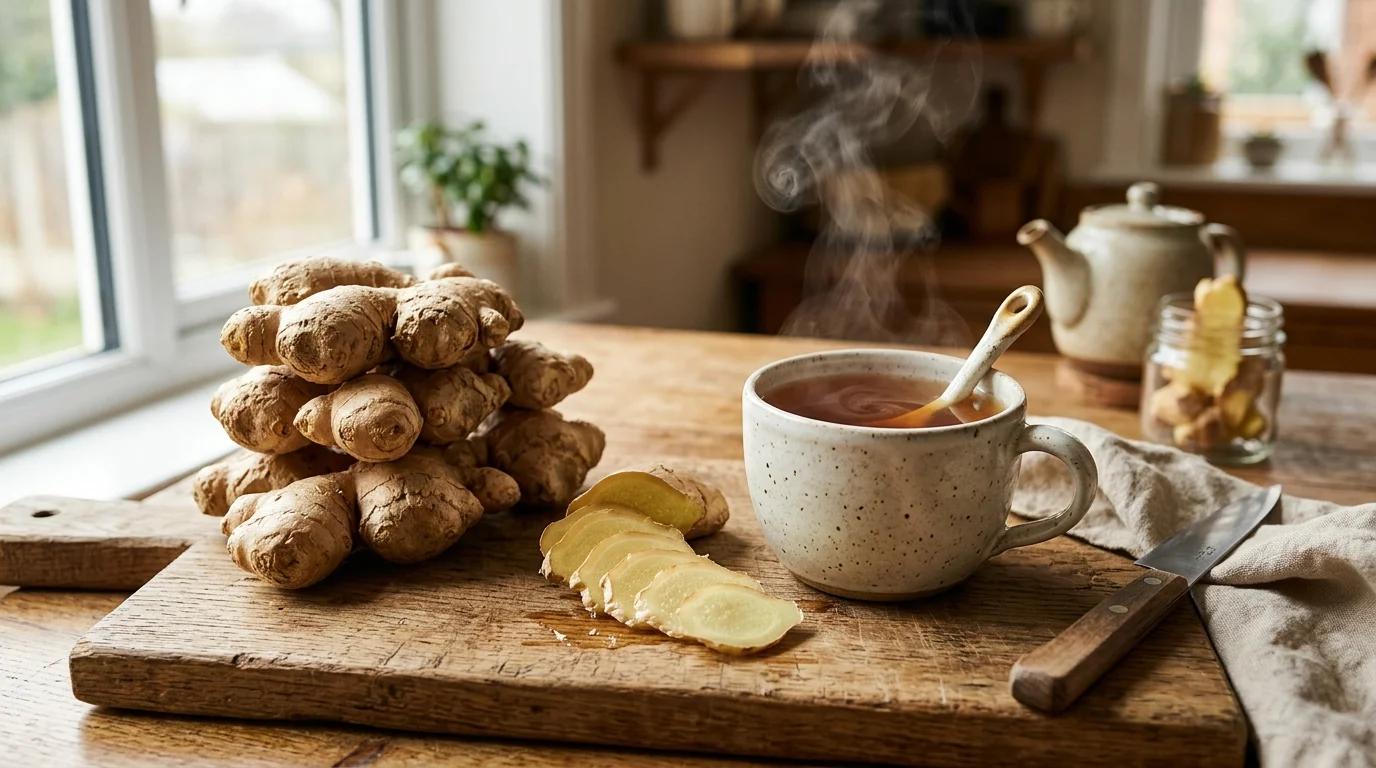
Healing Foods You Already Have at Home
For centuries, before the advent of modern synthetic medicine, the kitchen was the primary source of healing. Ancient civilizations understood that what we consume does more than just satisfy hunger; it acts as a complex biochemical instruction manual for our cells. Today, we are witnessing a resurgence in this “food as medicine” philosophy. Your pantry and refrigerator are likely stocked with potent bioactive compounds that can combat inflammation, boost immunity, and regulate metabolic health.
You don’t need exotic superfoods from remote mountain ranges to improve your well-being. The most powerful healers are often the humblest ingredients sitting right in your spice rack or crisper drawer. This guide explores ten incredible healing foods, the science behind their potency, and detailed instructions on how to use them to transform your health.
1. Garlic: The Natural Antibiotic
Garlic (Allium sativum) is arguably the most powerful medicinal food in history. From the builders of the Pyramids to World War I soldiers who used it to prevent gangrene, garlic has been revered for its antimicrobial properties.
The Science of Healing
The primary active compound in garlic is allicin. However, allicin does not exist in a whole clove. It is created through an enzymatic reaction when garlic is crushed or chopped. Allicin is a potent sulfur-containing compound that exhibits antibacterial, antiviral, and antifungal properties. Furthermore, garlic contains manganese, Vitamin B6, Vitamin C, and selenium.
Ingredients Form
- Fresh Raw Cloves: The most potent form for medicinal use.
- Aged Garlic Extract: Highly concentrated, often used for cardiovascular health.
- Garlic Oil: Useful for topical applications (like earaches).
- Powdered Garlic: Good for culinary use, though less medicinal than raw.
How to Use for Maximum Benefit
- The “Crush and Wait” Rule: To activate the allicin, crush or mince your garlic and let it sit for 10 minutes before cooking or consuming. This allows the enzymes to fully develop the healing compounds.
- For Immune Support: At the first sign of a cold, swallow a small, minced clove of raw garlic with a spoonful of honey. The honey buffers the “heat” of the garlic and provides its own antibacterial benefits.
- Cardiovascular Health: Incorporate 1-2 cloves of raw or lightly cooked garlic into your daily diet to help lower LDL cholesterol and reduce blood pressure.
- Ear Infections: Warm a tablespoon of olive oil with a crushed garlic clove. Let it sit for 30 minutes, strain it thoroughly, and apply 1-2 drops of the cooled oil into the ear (ensure the eardrum is not ruptured).
2. Turmeric: The Golden Anti-Inflammatory
In the world of holistic health, turmeric is the undisputed heavyweight champion. Used in Ayurvedic and Chinese medicine for over 4,000 years, this bright orange root is the ultimate tool for fighting chronic inflammation.
The Science of Healing
The star of turmeric is curcumin. Curcumin is a bioactive substance that fights inflammation at the molecular level by blocking NF-kB, a molecule that travels into the nuclei of your cells and turns on genes related to inflammation. It is also a powerful antioxidant that neutralizes free radicals.
Ingredients Form
- Fresh Turmeric Root: Looks like ginger but with an orange interior.
- Turmeric Powder: The dried, ground form found in most kitchens.
- Curcumin Paste: A concentrated mixture of powder, water, and fats.
How to Use for Maximum Benefit
- The Bioavailability Secret: Curcumin is poorly absorbed into the bloodstream. To fix this, you must consume it with black pepper (which contains piperine, increasing absorption by 2,000%) and a healthy fat (like coconut oil or olive oil) because curcumin is fat-soluble.
- Golden Milk (Turmeric Latte): Mix 1 cup of coconut milk, 1 teaspoon of turmeric powder, a pinch of black pepper, a cinnamon stick, and a bit of honey. Simmer for 5 minutes. This is an excellent evening drink for joint pain and systemic inflammation.
- Anti-Inflammatory Dressing: Whisk together olive oil, lemon juice, turmeric, black pepper, and minced ginger for a healing salad dressing.
- Topical Paste: For skin conditions like psoriasis or minor cuts, mix turmeric with a little water to form a paste. Apply for 15 minutes (be warned: it will stain the skin temporarily).
3. Raw Honey: The Liquid Gold
Honey is more than a sweetener; it is a complex biological fluid containing over 200 substances, including amino acids, vitamins, minerals, and enzymes.
The Science of Healing
Raw, unpasteurized honey contains an enzyme called glucose oxidase, which produces hydrogen peroxide—a mild antiseptic. It is also “hygroscopic,” meaning it draws moisture out of bacteria, effectively dehydrating and killing them. Honey’s high phenolic content also provides significant antioxidant protection.
Ingredients Form
- Raw Unfiltered Honey: Contains the most enzymes and pollen.
- Manuka Honey: A specific type from New Zealand with exceptionally high antibacterial markers (UMF).
- Honeycomb: The purest form, containing bee bread and propolis.
How to Use for Maximum Benefit
- Sore Throat and Cough: Mix 2 tablespoons of honey with warm water or herbal tea. Studies have shown honey can be more effective than over-the-counter cough suppressants for children.
- Wound Care: For minor burns or scrapes, apply a thin layer of raw honey and cover with a sterile bandage. It prevents infection and speeds up tissue regeneration.
- Seasonal Allergy Relief: Consuming raw, local honey daily (starting a few months before allergy season) may help desensitize the body to local pollens.
- Gut Health: Take one teaspoon of raw honey on an empty stomach to soothe the digestive tract and provide prebiotic fuel for healthy gut bacteria.
4. Ginger: The Digestive Dynamo
Ginger (Zingiber officinale) is a pungent rhizome that has been used globally to treat everything from seasickness to migraine headaches.
The Science of Healing
The primary bioactive compound in ginger is gingerol. It has powerful anti-inflammatory and antioxidant effects. Ginger is particularly effective at stimulating “prokinetic” activity in the gut, which means it helps move food through the stomach and intestines, preventing gas and bloating.
Ingredients Form
- Fresh Ginger Root: Best for tea and juices.
- Dried Ginger Powder: More concentrated, great for baking and smoothies.
- Crystallized Ginger: Useful for travel-induced nausea.
How to Use for Maximum Benefit
- Nausea and Motion Sickness: Chew on a small piece of fresh ginger or drink ginger tea 20 minutes before traveling. It is also highly effective for pregnancy-related morning sickness.
- Muscle Pain: Because of its anti-inflammatory properties, consuming 2 grams of ginger per day has been shown to reduce muscle pain after intense exercise.
- Digestive Aid: Drink a warm cup of ginger tea (steep sliced fresh ginger in boiling water for 10 minutes) after a heavy meal to stimulate digestive enzymes and reduce bloating.
- Ginger Compress: Grate ginger, wrap it in cheesecloth, soak it in hot water, and apply it to aching joints to increase circulation and reduce stiffness.
5. Lemon: The Vitamin C Powerhouse
Lemons are a staple in almost every kitchen, but their medicinal value is often underestimated. They are essential for detoxification and immune support.
The Science of Healing
Lemons are packed with Vitamin C, a primary antioxidant that protects cells from damaging free radicals. Furthermore, lemons contain citric acid, which may help prevent kidney stones by increasing urine volume and pH. Despite being acidic in taste, lemons have an alkalizing effect on the body once metabolized.
Ingredients Form
- Fresh Lemon Juice: High in active enzymes and Vitamin C.
- Lemon Zest: Contains limonene, a compound found in the peel that supports liver detoxification.
- Lemon Essential Oil: (Derived from the peel) Used for aromatherapy and mood lifting.
How to Use for Maximum Benefit
- The Morning Ritual: Squeeze the juice of half a lemon into 8-12 ounces of lukewarm water and drink it first thing in the morning. This “wakes up” the liver, flushes toxins, and hydrates the lymphatic system.
- Immune Boost: Mix lemon juice, warm water, honey, and a pinch of cayenne pepper to create a potent tonic for fighting off a cold.
- Kidney Stone Prevention: Drink half a cup of pure lemon juice diluted in water throughout the day to provide enough citric acid to help inhibit stone formation.
- Skin Brightener: Apply diluted lemon juice to dark spots or acne scars to help fade them over time (avoid sun exposure immediately after, as lemon makes skin photosensitive).
6. Oats: The Heart-Healthy Fiber
Oats are often seen as just a breakfast food, but they are a medicinal powerhouse for the heart and the skin.
The Science of Healing
Oats contain a unique type of fiber called beta-glucan. This soluble fiber forms a gel-like substance in the gut, which binds to cholesterol-rich bile acids and excretes them from the body, lowering “bad” LDL cholesterol. Oats also contain avenanthramides, antioxidants found almost exclusively in oats that help lower blood pressure by increasing the production of nitric oxide.
Ingredients Form
- Steel-Cut Oats: The least processed, highest in fiber.
- Rolled (Old Fashioned) Oats: Great for cooking and topical use.
- Colloidal Oatmeal: Finely ground oats used specifically for skin treatments.
How to Use for Maximum Benefit
- Cholesterol Management: Consume one bowl of steel-cut oats daily. To boost the healing power, add berries (antioxidants) and walnuts (omega-3s).
- Skin Soothing Bath: For eczema, poison ivy, or sunburn, grind rolled oats into a fine powder. Add one cup of this powder to a lukewarm bath and soak for 15-20 minutes. The avenanthramides will soothe inflammation and itching.
- Blood Sugar Stability: Because of their high fiber content, oats have a low glycemic index. Eating them for breakfast prevents the insulin spikes that lead to energy crashes and weight gain.
- Face Mask: Mix ground oats with a little honey and yogurt to create a gentle, exfoliating, and anti-inflammatory face mask for sensitive skin.
7. Apple Cider Vinegar (ACV): The Fermented Elixir
Apple cider vinegar has reached “trendy” status lately, but its use as a healing agent dates back to Hippocrates, the father of medicine.
The Science of Healing
The “magic” in ACV is the acetic acid and the “Mother”—a colony of beneficial bacteria, proteins, and enzymes. Acetic acid has the unique ability to improve insulin sensitivity and lower blood sugar responses after meals. It also acts as a potent antimicrobial agent.
Ingredients Form
- Raw, Unfiltered ACV (with the Mother): This is the only form with medicinal benefits.
- ACV Capsules: A convenient alternative, though liquid is often more effective for digestion.
How to Use for Maximum Benefit
- Blood Sugar Control: Drink 1-2 tablespoons of ACV diluted in a large glass of water 15 minutes before a high-carb meal. This can reduce the glucose spike by up to 34%.
- Digestive Tonic: If you suffer from low stomach acid or indigestion, take 1 tablespoon of ACV in water before eating to prime the stomach for digestion.
- Scalp Health: Mix 1 part ACV with 3 parts water. Use it as a hair rinse after shampooing to kill dandruff-causing yeast and restore the scalp’s natural pH.
- Sore Throat Gargle: Mix 1 tablespoon of ACV with warm water and gargle every hour. The acidic environment makes it difficult for bacteria to survive in the throat.
8. Cinnamon: The Blood Sugar Regulator
Cinnamon is one of the most delicious spices, but it is also a powerful medicine for metabolic syndrome and type 2 diabetes.
The Science of Healing
Cinnamon contains cinnamaldehyde, which is responsible for most of its health benefits. It works by mimicking the effects of insulin and increasing glucose transport into cells. It also slows the breakdown of carbohydrates in the digestive tract, which helps maintain steady blood sugar levels.
Ingredients Form
- Ceylon Cinnamon: Known as “True” cinnamon. It is safer for daily consumption in large amounts.
- Cassia Cinnamon: The common variety found in most stores. High in coumarin, so it should be used in moderation.
- Cinnamon Sticks: Best for infusing into teas and broths.
How to Use for Maximum Benefit
- Metabolic Support: Adding 1/2 to 2 teaspoons of cinnamon to your daily diet can significantly lower fasting blood sugar levels. Sprinkle it on oatmeal, yogurt, or into your coffee grounds before brewing.
- Anti-Fungal Treatment: Cinnamon has potent anti-fungal properties. It can be used as part of a protocol to treat Candida overgrowth.
- Brain Health: Some studies suggest that compounds in cinnamon inhibit the buildup of a protein called “tau” in the brain, which is one of the hallmarks of Alzheimer’s disease.
- Natural Food Preservative: Because of its antimicrobial properties, adding cinnamon to recipes can help extend the shelf life of food naturally.
9. Green Tea: The Antioxidant King
While technically a beverage, green tea leaves are a “food” ingredient that serves as one of the most concentrated sources of antioxidants on the planet.
The Science of Healing
Green tea is loaded with polyphenols, specifically EGCG (Epigallocatechin Gallate). EGCG is one of the most studied compounds for its ability to reduce inflammation, aid weight loss, and help prevent heart and brain disease. It also contains L-theanine, an amino acid that crosses the blood-brain barrier and increases the activity of the inhibitory neurotransmitter GABA, which has anti-anxiety effects.
Ingredients Form
- Loose Leaf Green Tea: Generally higher quality than tea bags.
- Matcha Powder: Ground whole tea leaves; you consume the entire leaf, making it 10x more potent than brewed tea.
- Green Tea Extract: Used for concentrated metabolic support.
How to Use for Maximum Benefit
- Metabolism Boost: Drinking 3-5 cups of green tea per day has been shown to increase fat oxidation and boost metabolic rate.
- Focus without Jitters: If coffee makes you anxious, switch to green tea. The combination of caffeine and L-theanine creates a “calm alertness” that improves productivity without the crash.
- Topical Eye Treatment: After brewing green tea, place the cooled tea bags over your eyes for 10 minutes. The tannins and caffeine constrict blood vessels, reducing puffiness and dark circles.
- Proper Brewing: To preserve the antioxidants, never use boiling water on green tea leaves. Let the water sit for 2 minutes after boiling (reaching about 175°F/80°C) and steep for only 2-3 minutes.
10. Spinach: The Nutrient-Dense Leafy Green
Popeye was onto something. Spinach is a nutritional powerhouse that provides a massive array of vitamins and minerals in a very low-calorie package.
The Science of Healing
Spinach is exceptionally high in Vitamin K1, which is essential for bone health and blood clotting. It is also rich in lutein and zeaxanthin, two carotenoids that migrate to the retina of the human eye to protect against damage from sunlight and reduce the risk of macular degeneration. Additionally, spinach contains nitrates, which help relax blood vessels and lower blood pressure.
Ingredients Form
- Fresh Baby Spinach: Mild flavor, great for salads and smoothies.
- Frozen Spinach: Often more nutrient-dense than “fresh” spinach that has sat on a truck for a week.
- Cooked Spinach: Cooking spinach helps the body absorb its Vitamin A and E more easily, although it reduces some Vitamin C.
How to Use for Maximum Benefit
- The Healing Smoothie: Blend two handfuls of spinach with a banana, ginger, and lemon. This provides a massive dose of chlorophyll and antioxidants to oxygenate the blood.
- Eye Health Salad: Combine fresh spinach with orange slices (Vitamin C) and avocado (healthy fats). The fat in the avocado helps your body absorb the fat-soluble lutein in the spinach.
- Blood Pressure Management: Incorporate a large serving of steamed or sautéed spinach into your dinner. The nitrates will help improve arterial function and reduce the workload on your heart.
- Iron Absorption: If you are using spinach for iron, always pair it with a Vitamin C source (like lemon or bell peppers). Vitamin C breaks down the oxalic acid in spinach, allowing the iron to be absorbed more efficiently.
Conclusion: The Kitchen as Your Sanctuary
True health does not come from a single “superfood” or a “magic pill.” It comes from the cumulative effect of small, intentional choices. By recognizing the healing potential of garlic, turmeric, honey, ginger, lemon, oats, apple cider vinegar, cinnamon, green tea, and spinach, you empower yourself to take control of your vitality.
The next time you walk into your kitchen, don’t just see ingredients for a meal; see tools for a longer, healthier life. Use these foods generously, prepare them with care, and let nature’s pharmacy work its wonders from the inside out. Remember, the most effective medicine is the one you can enjoy at your dinner table every single day.