
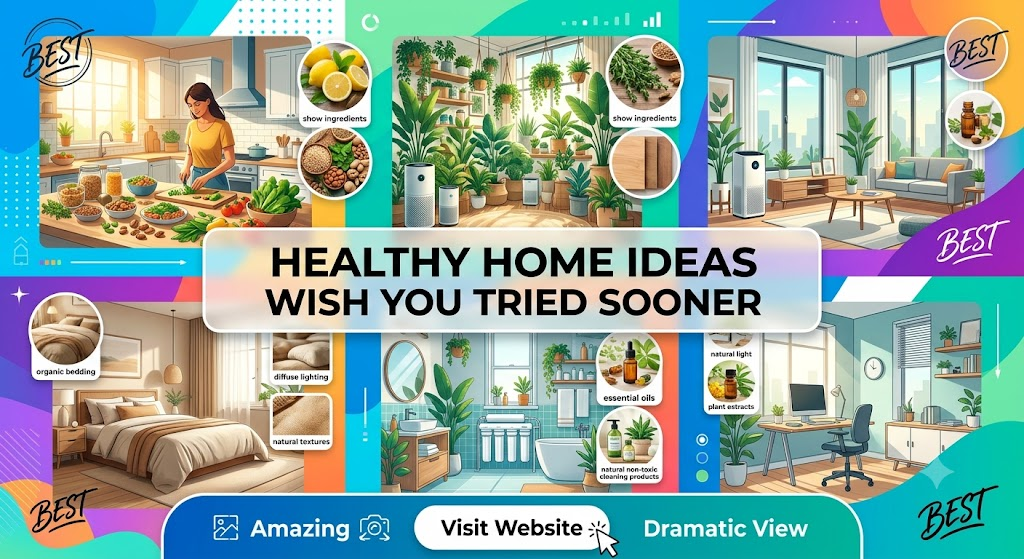
11 Healthy Home Ideas That Work
Creating a healthy home is far more than just a weekend cleaning project or a minimalist aesthetic. It is an intentional, multi-layered approach to designing an environment that supports your physical health, nurtures your mental well-being, and serves as a fortress against the stressors of the modern world. We spend nearly 90% of our lives indoors, and the quality of our domestic environment—the air we breathe, the light we see, and the surfaces we touch—directly dictates our longevity and daily energy levels.
If you are ready to transform your living space into a true sanctuary of wellness, these 11 comprehensive ideas provide a roadmap to a healthier life.
1. Breathe Easy: Optimizing Indoor Air Quality
Most people are shocked to learn that indoor air can be two to five times more polluted than outdoor air. From volatile organic compounds (VOCs) emitted by paint and furniture to dust mites and pet dander, our homes often trap toxins.
The Power of Ventilation
The simplest way to improve air quality is through “flushing.” Open windows at opposite ends of your home for at least 15 minutes daily to create a cross-breeze. This replaces stale, CO2-heavy air with fresh oxygen.
High-Efficiency Particulate Air (HEPA) Filtration
Invest in a high-quality HEPA air purifier. These devices are designed to capture 99.97% of particles as small as 0.3 microns, including pollen, mold spores, and smoke. For a healthy home, place one in the bedroom—where you spend 7-9 hours breathing deeply—and one in the main living area.
Botanical Purifiers
While plants shouldn’t be your only air strategy, they provide a psychological boost and minor filtration benefits. Incorporate these “clean air” champions:
- Snake Plant (Sansevieria): Unique because it converts CO2 into oxygen at night.
- Spider Plant: Excellent at removing formaldehyde and xylene.
- Peace Lily: Helps filter out ammonia and benzene (keep away from pets).
2. Transition to Non-Toxic Cleaning Chemistry
The “clean” smell of bleach or synthetic lemon is often the smell of respiratory irritants. Many conventional cleaners contain phthalates, sulfates, and ammonia, which can disrupt endocrine function and aggravate asthma.
The DIY Cleaning Kit
You can clean 90% of your home using five basic, non-toxic ingredients:
- White Vinegar: An acetic acid that cuts through grease and kills most bacteria and mold.
- Baking Soda: A mild abrasive for scrubbing and a powerful deodorizer.
- Castile Soap: A plant-based soap (like Dr. Bronner’s) for general cleaning.
- Hydrogen Peroxide: A natural disinfectant and whitener.
- Essential Oils: Lemon, Tea Tree, and Eucalyptus provide antimicrobial properties and a natural scent.
A Simple All-Purpose Recipe
Mix 1 cup of water, 1 cup of white vinegar, and 20 drops of lemon essential oil in a glass spray bottle. This works on countertops, windows, and floors (avoid using vinegar on natural stone like marble).
3. The Sanctuary Bedroom: Designing for Deep Sleep
Sleep is the cornerstone of health. If your bedroom is cluttered, bright, or too warm, your body cannot enter the deep, restorative REM cycles needed for cognitive function and cellular repair.
Light Hygiene
Our bodies are governed by the circadian rhythm. Blue light from screens suppresses melatonin. To fix this:
- Blackout Curtains: Ensure total darkness to signal the brain it’s time for sleep.
- Amber Bulbs: Use warm-toned bedside lamps instead of harsh overhead LEDs.
- No-Tech Zone: Remove televisions and keep smartphones in another room.
Material Health
Since we spend a third of our lives in bed, the materials matter. Look for GOTS (Global Organic Textile Standard) certified cotton or linen sheets. Conventional bedding is often treated with formaldehyde to prevent wrinkles; organic options eliminate this chemical exposure.
4. Pure Hydration: Advanced Water Filtration
Water is the essence of life, yet tap water often contains “legal” levels of contaminants including chlorine, fluoride, heavy metals, and microplastics.
Point-of-Use vs. Whole House
- Reverse Osmosis (RO): This is the gold standard for drinking water. It removes almost all dissolved solids. If you use RO, ensure you add a “re-mineralization” stage to put healthy minerals like magnesium back in.
- Shower Filters: Your skin is your largest organ. Filtering out chlorine in the shower prevents dry skin, brittle hair, and the inhalation of chloroform gas produced by heated chlorine.
5. Biophilic Design: Bringing the Outdoors In
Biophilic design is the practice of connecting a building’s occupants more closely to nature. Studies show that seeing natural elements lowers cortisol (the stress hormone) and improves productivity.
- Natural Textures: Use wood, stone, jute, and wool in your decor rather than plastic or synthetic polymers.
- Fractal Patterns: Nature is full of fractals (repeating patterns). Rugs or wallpapers with organic, flowing patterns are more soothing to the human eye than sharp, rigid geometric shapes.
- Water Features: A small indoor fountain provides “pink noise,” which masks distracting sounds and promotes a state of calm.
6. The Mindful Kitchen: A Recipe for Longevity
A healthy home is centered around the kitchen. It is the laboratory where you create the fuel for your body. To make your kitchen a health hub, prioritize “Real Food” and eliminate “Forever Chemicals” found in non-stick pans (PFAS). Switch to cast iron, stainless steel, or 100% ceramic cookware.
To celebrate the heart of a healthy home, here is a complete, nutrient-dense recipe designed to reduce inflammation and boost energy.
The “Longevity Power Bowl” with Turmeric-Tahini Drizzle
This recipe is gluten-free, dairy-free, and packed with antioxidants, healthy fats, and complex carbohydrates.
Ingredients Form
The Base:
- 1 cup dry Tri-color Quinoa (rinsed)
- 2 cups Filtered Water or Vegetable Broth
- 1/4 tsp Sea Salt
The Roasted Veggies:
- 2 large Sweet Potatoes (cubed)
- 1 head of Broccoli (cut into florets)
- 1 Red Bell Pepper (sliced)
- 2 tbsp Extra Virgin Olive Oil
- 1 tsp Smoked Paprika
- 1/2 tsp Garlic Powder
The Protein:
- 1 can (15 oz) Chickpeas (rinsed and patted dry)
- 1 tbsp Avocado Oil
- 1/2 tsp Cumin
The Turmeric-Tahini Drizzle:
- 1/4 cup Raw Tahini
- 2 tbsp Fresh Lemon Juice
- 1 tsp Maple Syrup (optional)
- 1/2 tsp Ground Turmeric
- 1 clove Garlic (minced)
- 2-3 tbsp Warm Water (to thin)
How to Cook: Detailed Instructions
- Prepare the Quinoa: In a medium saucepan, combine the rinsed quinoa, water/broth, and salt. Bring to a boil, then reduce heat to low, cover, and simmer for 15 minutes. Remove from heat and let it sit (covered) for 5 minutes before fluffing with a fork.
- Roast the Vegetables: Preheat your oven to 400°F (200°C). On a large baking sheet, toss the sweet potatoes, broccoli, and bell peppers with olive oil, paprika, and garlic powder. Spread them in a single layer.
- Crisp the Chickpeas: On a separate small tray, toss the chickpeas with avocado oil and cumin. Place both trays in the oven. Roast the veggies for 25-30 minutes and the chickpeas for 20 minutes until slightly crispy.
- Whisk the Dressing: While the oven does the work, combine all dressing ingredients in a small bowl. Whisk vigorously. Add warm water one tablespoon at a time until the dressing reaches a “drizzlable” consistency. The turmeric provides anti-inflammatory benefits, while the tahini offers healthy calcium.
- Assemble: In a deep bowl, scoop a generous portion of quinoa. Top with the roasted vegetables and crispy chickpeas.
- Garnish: Finish with a heavy drizzle of the turmeric-tahini sauce. For extra health benefits, top with a tablespoon of pumpkin seeds (for magnesium) or fresh parsley (for detoxification).
7. Decluttering for Mental Clarity
Physical clutter creates mental clutter. The brain views unfinished tasks and messy piles as “to-do” lists that never end, which keeps your nervous system in a state of low-grade “fight or flight.”
- The “One-In, One-Out” Rule: To maintain a healthy home, never bring a new item in without removing an old one.
- Closed Storage: Visual noise is distracting. Use baskets or cabinets to hide necessary but unsightly items like chargers and paperwork.
- The 5-Minute Reset: Every evening, spend five minutes returning items to their “home.” This ensures you wake up to a calm environment rather than yesterday’s chaos.
8. Circadian Lighting and Vitamin D
Modern lighting is often too dim during the day and too bright at night. This confuses our internal clocks, leading to poor energy and mood swings.
- Maximize Daylight: Keep windows clear. Use mirrors opposite windows to bounce natural light deeper into the room.
- The “Morning Light” Ritual: Open your curtains as soon as you wake up. Getting natural light into your eyes within 30 minutes of waking sets your cortisol and melatonin cycles for the next 24 hours.
- Smart Bulbs: Consider smart lighting systems that automatically shift from “cool white” (daytime/focus) to “warm amber” (evening/relaxation) as the sun sets.
9. Creating an Ergonomic and Movement-Friendly Space
Since many of us work from home, the “home office” is often a source of back pain and eye strain. A healthy home encourages movement rather than sedentary behavior.
- The Standing Desk Transition: If possible, use a height-adjustable desk. Standing for even 30 minutes every hour improves circulation and metabolic rate.
- Eye Health: Follow the 20-20-20 rule. Every 20 minutes, look at something 20 feet away for 20 seconds to reduce digital eye strain.
- Movement “Snacks”: Keep a yoga mat or a set of resistance bands visible. When items are visible, you are more likely to use them for a quick 2-minute stretch between meetings.
10. Reducing EMF Exposure and Digital Detox Zones
Electromagnetic Fields (EMFs) from Wi-Fi routers, cell towers, and smart devices are a growing concern in holistic health. While research is ongoing, many find that reducing exposure improves sleep quality and reduces headaches.
- Kill the Wi-Fi at Night: Use a simple mechanical timer to turn off your router while you sleep.
- Hardwire When Possible: Use Ethernet cables for stationary computers to reduce the need for wireless signals.
- The Tech-Free Table: Designate the dining table as a “Digital Detox Zone.” No phones allowed. This encourages mindful eating and deeper family connection.
11. Sustainable and Non-Toxic Materials
When it’s time to renovate or buy new furniture, think about “off-gassing.” Many cheap pressed-wood furniture pieces (MDF) use glues containing urea-formaldehyde.
- Solid Wood: Look for furniture made from solid wood with natural oil finishes (like linseed or tung oil) rather than heavy lacquers.
- Wool Carpeting: If you want carpet, choose wool. It is naturally flame-retardant and doesn’t require the chemical treatments that synthetic carpets do.
- Low-VOC Paint: When repainting, always choose “Zero-VOC” or “Low-VOC” options to keep the air clean from the start.
Conclusion: A Journey, Not a Destination
Transforming your home into a healthy sanctuary doesn’t have to happen overnight. Start with one area—perhaps the air quality or the bedroom—and build from there. Each small change, from switching your cleaning spray to cooking a nutrient-dense meal, compounds over time.
By curating an environment that respects your biology, minimizes toxins, and promotes peace, you aren’t just decorating a house; you are engineering a better, more vibrant version of yourself. Your home is the foundation of your life—make sure it’s a healthy one.