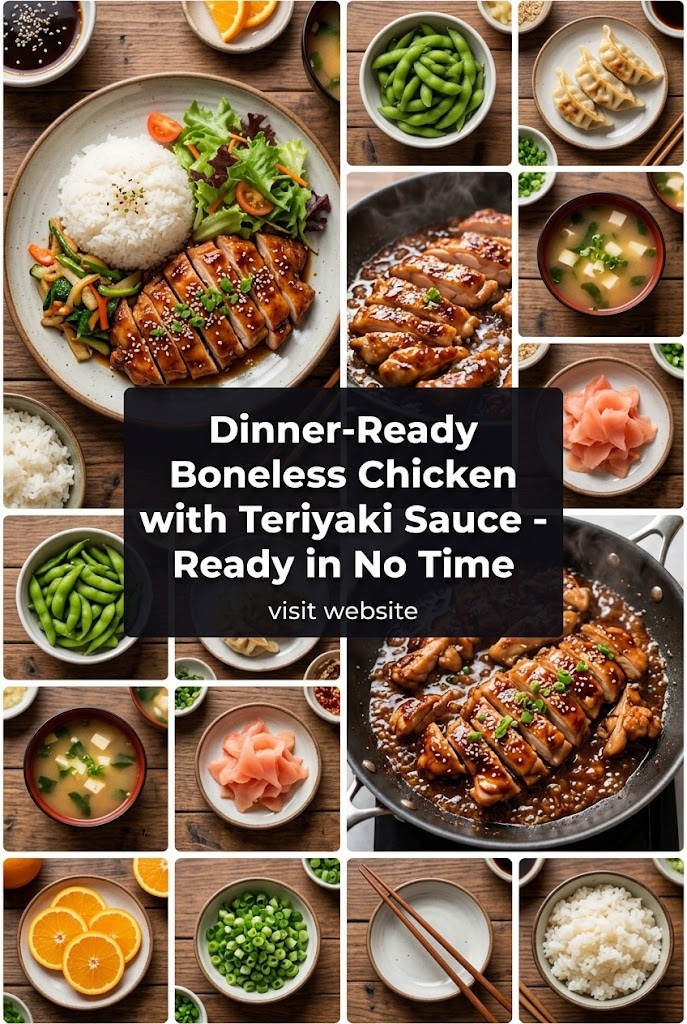

One-Pot Korean BBQ Chicken Thighs: That Everyone Loves
In the modern kitchen, the holy grail of cooking is the intersection of convenience and high-octane flavor. We all want a meal that tastes like it spent hours marinating in a professional kitchen, but we also want to minimize the mountain of dishes waiting for us at the end of the night. Enter the One-Pot Korean BBQ Chicken Thighs.
This dish is a masterclass in balance. It marries the deep, fermented funk of Korean gochujang with the sweet notes of brown sugar and the savory punch of garlic and ginger. By using a single pot, you’re not just saving time on cleanup; you’re also ensuring that every drop of chicken fat and every caramelized bit of aromatics is incorporated back into the sauce, creating a depth of flavor that a multi-pan process simply can’t replicate.
In this comprehensive guide, we will explore why this dish has become a viral sensation, the science behind the ingredients, and a step-by-step methodology to ensure your chicken comes out tender, juicy, and glazed to perfection every single time.
Why One-Pot Cooking is a Game Changer
Before we dive into the specific ingredients, it is important to understand the culinary philosophy of the one-pot meal. For many, one-pot cooking implies a “dump and go” slow cooker meal. While those have their place, the One-Pot Korean BBQ Chicken Thighs recipe utilizes a more sophisticated technique: layering.
By searing the meat first, then deglazing the pan with liquids, and finally simmering everything together, you create a complex flavor profile. The “fond”—those brown, caramelized bits stuck to the bottom of the pan—is essentially concentrated flavor. In a one-pot setting, this fond is dissolved into the BBQ sauce, acting as a natural flavor enhancer that makes the sauce taste “aged” and robust.
The Star of the Show: Why Chicken Thighs?
While many people gravitate toward chicken breasts due to their lean profile, the chicken thigh is the undisputed champion of Korean BBQ. There are several reasons why:
- Fat Content: Chicken thighs have a higher fat content than breasts. In the world of high-heat cooking and sticky glazes, fat is your best friend. It keeps the meat moist even if you accidentally overcook it by a few minutes.
- Flavor Absorption: The dark meat of the thigh has a more assertive flavor that can stand up to the bold, spicy, and sweet notes of Korean BBQ sauce.
- Texture: When braised or simmered in a one-pot sauce, chicken thighs become incredibly tender, almost “melt-in-your-mouth,” whereas breasts can easily become stringy or dry.
- Affordability: Thighs are generally more budget-friendly than breasts, making this an economical choice for feeding a large family or meal-prepping for the week.
Understanding the Korean BBQ Flavor Profile
What makes “Korean BBQ” different from American-style BBQ? While American BBQ often relies on smoke and vinegar-based or tomato-based sauces, Korean BBQ is built on the foundation of Jang (fermented pastes).
The Power of Gochujang
The backbone of this recipe is Gochujang. This is a savory, sweet, and spicy fermented condiment made from chili powder, glutinous rice, meju (fermented soybean) powder, barley malt powder, and salt. It provides a “slow burn” heat rather than a sharp sting, and its fermented nature adds a massive hit of umami.
The Sweet and Savory Balance
A traditional Korean glaze requires a balance of soy sauce (salty/umami), toasted sesame oil (nutty/aromatic), and a sweetener like brown sugar, honey, or grated Asian pear. The sugar doesn’t just provide sweetness; it aids in the Maillard reaction, helping the sauce thicken and “cling” to the chicken, creating that iconic sticky glaze.
Essential Ingredients for One-Pot Korean BBQ Chicken
To achieve restaurant-quality results at home, you need to gather the right components. While the recipe is simple, the quality of ingredients matters.
- 2 lbs Chicken Thighs: Preferably bone-in and skin-on for maximum flavor, though boneless/skinless works for a faster cooking time.
- Gochujang (Korean Chili Paste): The essential base. Look for the red tubs in the Asian aisle.
- Soy Sauce: Use low-sodium if you want more control over the saltiness.
- Fresh Ginger and Garlic: Do not use the jarred or powdered versions. The aromatic punch of freshly grated ginger and minced garlic is vital.
- Toasted Sesame Oil: This is a finishing oil and a base oil. It provides the signature aroma of Korean cuisine.
- Brown Sugar or Honey: To balance the heat.
- Rice Vinegar: A splash of acidity cuts through the richness of the fat and the sugar.
- Mirin or Rice Wine: Helps tenderize the meat and adds a subtle sweetness.
- Green Onions and Sesame Seeds: For garnish and a fresh, crunchy contrast.
Step-by-Step Cooking Guide
1. Preparation and Searing
The first secret to a great one-pot meal is the sear. Pat your chicken thighs dry with paper towels. Moisture is the enemy of a good sear. Season them lightly with salt and pepper.
Heat a large heavy-bottomed skillet or a Dutch oven over medium-high heat with a tablespoon of neutral oil. Place the chicken skin-side down. Let it sizzle undisturbed for 5–7 minutes. You are looking for a deep, golden-brown color and a crispy texture. Once achieved, flip and sear the other side for 3 minutes. Remove the chicken from the pan and set it aside on a plate (it won’t be fully cooked yet).
2. Building the Aromatic Base
In the same pan, you’ll notice a layer of chicken fat. If there’s too much, spoon some out, but leave about a tablespoon. Lower the heat to medium. Add your minced garlic, grated ginger, and the white parts of your chopped green onions. Sauté for about 60 seconds until fragrant. Be careful not to burn the garlic, as it will turn bitter.
3. Creating the BBQ Glaze
Whisk together your gochujang, soy sauce, brown sugar, mirin, and rice vinegar in a small bowl. Pour this mixture directly into the pan with the aromatics. Use a wooden spoon to scrape the bottom of the pan, releasing all those flavorful browned bits (deglazing).
4. The Simmer
Return the chicken thighs to the pan, nestling them into the sauce. If you are using bone-in thighs, add a splash of chicken broth or water to ensure there is enough liquid for braising. Cover the pot and reduce the heat to low. Let it simmer for 15–20 minutes.
5. The Final Reduction
Remove the lid. Turn the heat back up to medium-high. This is the “glazing phase.” Use a spoon to baste the chicken with the sauce as it bubbles and thickens. The sauce will transform from a thin liquid into a dark, glossy, sticky glaze that coats the chicken perfectly.
6. Garnishing
Finish the dish with a generous drizzle of toasted sesame oil, a sprinkle of toasted sesame seeds, and the remaining green parts of the sliced scallions.
Tips for Success: Troubleshooting Common Mistakes
- The Sauce is Too Spicy: If your gochujang is particularly potent, add an extra tablespoon of honey or a squeeze of lime juice. The sugar and acid will help neutralize the capsaicin.
- The Sauce is Too Thin: Continue to simmer with the lid off. The water will evaporate, concentrating the sugars and fats into a thicker syrup.
- The Chicken is Dry: This usually happens with boneless breasts. If you must use breasts, reduce the simmering time significantly and use a meat thermometer to pull them out exactly at 165°F.
- The Skin is Soggy: If you love crispy skin, after the simmering process, you can place the pan under a broiler for 2–3 minutes to crisp the skin back up before serving.
Variations to Try
One of the reasons this recipe is a household favorite is its versatility. You can adapt the core mechanics to suit your dietary needs or flavor preferences.
The Low-Carb/Keto Version
Replace the brown sugar with a keto-friendly sweetener like erythritol or monk fruit. Serve the chicken over cauliflower rice or inside lettuce cups (Ssam style) for a delicious, low-carb meal.
The Vegetable-Forward Version
While the chicken is simmering, add sliced bell peppers, broccoli florets, or snap peas to the pot. They will steam in the BBQ vapors and soak up the sauce, giving you a complete meal in one pan.
The “Extra Kick” Version
If you are a heat seeker, add a teaspoon of Gochugaru (Korean red chili flakes) to the sauce. This adds a smoky, sharp heat that complements the fermented sweetness of the gochujang.
What to Serve with Korean BBQ Chicken
To turn this into a full feast, you need the right accompaniments. In Korea, meals are often served with Banchan (small side dishes).
- Fluffy White Rice: Jasmine or short-grain sticky rice is the perfect vessel for soaking up the extra BBQ sauce.
- Kimchi: The sour, fermented crunch of kimchi provides a necessary probiotic hit and acidity that cuts through the richness of the chicken.
- Pickled Radish (Mu-Ssam): These thin, sweet, and vinegary slices of radish are a classic pairing for Korean poultry.
- Steamed Bok Choy: Lightly seasoned with garlic and sesame oil, this green vegetable adds color and nutrition to the plate.
- Cucumber Salad: A quick smash of cucumbers with rice vinegar, sugar, and chili flakes offers a cooling contrast to the warm, spicy chicken.
The Health Benefits of Korean Aromatics
Beyond the incredible taste, the ingredients in this dish offer significant health benefits.
- Ginger: Known for its anti-inflammatory properties and its ability to aid digestion.
- Garlic: High in manganese, Vitamin B6, and Vitamin C. It is also known for supporting heart health.
- Gochujang: As a fermented food, it contains beneficial bacteria that support gut health. It also contains capsaicin, which can boost metabolism.
- Sesame Seeds: A good source of fiber and healthy fats.
Meal Prepping and Storage
This is an excellent dish for meal prepping because the flavors actually improve as they sit.
- In the Fridge: Store leftovers in an airtight container for up to 4 days. The sauce will thicken into a jelly-like consistency when cold; simply reheat it in a pan or microwave, and it will return to its glossy state.
- In the Freezer: You can freeze the cooked chicken and sauce for up to 3 months. Thaw overnight in the refrigerator before reheating.
- Pro Tip: If you have leftover sauce but no chicken, use it as a base for a Korean-inspired fried rice the next day!
The Cultural Significance of Korean BBQ
Korean BBQ, or gogi-gu-i, is more than just a cooking method; it is a social experience. Traditionally, it involves gathering around a grill in the center of the table. While the one-pot method is a modern, Westernized adaptation for home kitchens, it carries the spirit of that tradition: bold flavors, communal eating, and a focus on the harmony of sweet, salty, and spicy.
By bringing these flavors into your home, you are participating in a global culinary exchange. Korean cuisine has seen a massive rise in popularity in the United States over the last decade, moving from niche ethnic enclaves to mainstream supermarket shelves. This recipe is a testament to how accessible and beloved these flavors have become.
Advanced Techniques: Leveling Up Your One-Pot Game
Once you have mastered the basic recipe, you can experiment with advanced techniques to further elevate the dish.
The Asian Pear Secret
Many traditional Korean BBQ marinades use grated Asian pear. The pear contains an enzyme called calpain, which acts as a natural meat tenderizer. If you want the most tender chicken possible, grate half an Asian pear into your sauce mixture. It also adds a subtle, floral sweetness that refined sugar cannot replicate.
Double-Searing
For the ultimate texture, some chefs prefer to sear the chicken, remove it, build the sauce, and then briefly fry the chicken again in the sauce at a very high heat before the simmering stage. This creates a “crust” of caramelized sauce that is absolutely addictive.
Smoke Infusion
While this is a stovetop recipe, you can mimic the “charcoal” flavor of authentic Korean BBQ by adding a tiny drop of liquid smoke or using smoked paprika in your seasoning rub. A little goes a long way!
Frequently Asked Questions (FAQ)
Can I use chicken breasts instead of thighs?
Yes, but be careful. Chicken breasts dry out quickly. Reduce the simmer time to about 10–12 minutes and ensure the internal temperature does not exceed 165°F.
Is Gochujang gluten-free?
Not always. Many brands use barley or wheat flour as a thickener. If you are gluten-sensitive, look for a certified gluten-free brand of gochujang and use Tamari instead of soy sauce.
How do I make it less spicy for kids?
You can reduce the amount of gochujang by half and replace the missing volume with tomato paste and a little extra honey. This maintains the red color and thick texture without the heat.
Can I make this in an Instant Pot?
Absolutely. Sear the chicken on the “Sauté” setting, add the aromatics and sauce, then pressure cook on high for 8 minutes with a natural release. Finish by using the sauté setting again to reduce the sauce.
Can I make this in a Slow Cooker?
Yes. Skip the searing if you are in a rush (though searing adds better flavor). Place everything in the slow cooker and cook on low for 4–6 hours. The sauce won’t thicken as much in a slow cooker, so you may need to transfer the liquid to a pan at the end to reduce it.
The Science of Flavor Pairing
Why does this specific combination of ingredients work so well? It comes down to the “Five Tastes”:
- Sweet: Brown sugar/Honey
- Sour: Rice vinegar
- Salty: Soy sauce
- Bitter: Charred bits from searing and the fermented notes of Gochujang
- Umami: Chicken fat, garlic, and fermented soybean in the Gochujang
When all five tastes are present in a single bite, the human brain perceives the meal as “complete” and highly satisfying. This is why you’ll find yourself craving this dish long after the meal is over.
Conclusion: A New Staple in Your Recipe Rotation
The One-Pot Korean BBQ Chicken Thighs recipe is a testament to the idea that sophisticated cooking doesn’t have to be complicated. By understanding the ingredients and mastering the simple technique of searing and simmering, you can create a meal that rivals your favorite Korean restaurant.
It’s a dish that scales perfectly, whether you are cooking a romantic dinner for two or a massive Sunday feast for the extended family. It respects your time, delights your palate, and simplifies your cleanup.
So, the next time you find yourself staring at a pack of chicken thighs in the grocery store, skip the standard roasted chicken routine. Grab a tub of gochujang, some fresh ginger, and a bunch of green onions. Your kitchen is about to become the best Korean BBQ spot in town.
Final Summary Checklist
- Prep: Pat chicken dry and grate fresh ginger/garlic.
- Sear: High heat, skin-side down first. Don’t crowd the pan.
- Aromatics: Sauté until fragrant but not burnt.
- Glaze: Mix the sauce before adding to ensure even distribution.
- Simmer: Low and slow to keep the meat tender.
- Reduce: Uncover and crank the heat at the end for that sticky finish.
- Garnish: Never skip the sesame seeds and green onions—they add the final layer of texture.
Enjoy the process, experiment with the levels of spice and sweetness, and most importantly, enjoy the incredible meal you’ve created in just one pot. Happy cooking!