
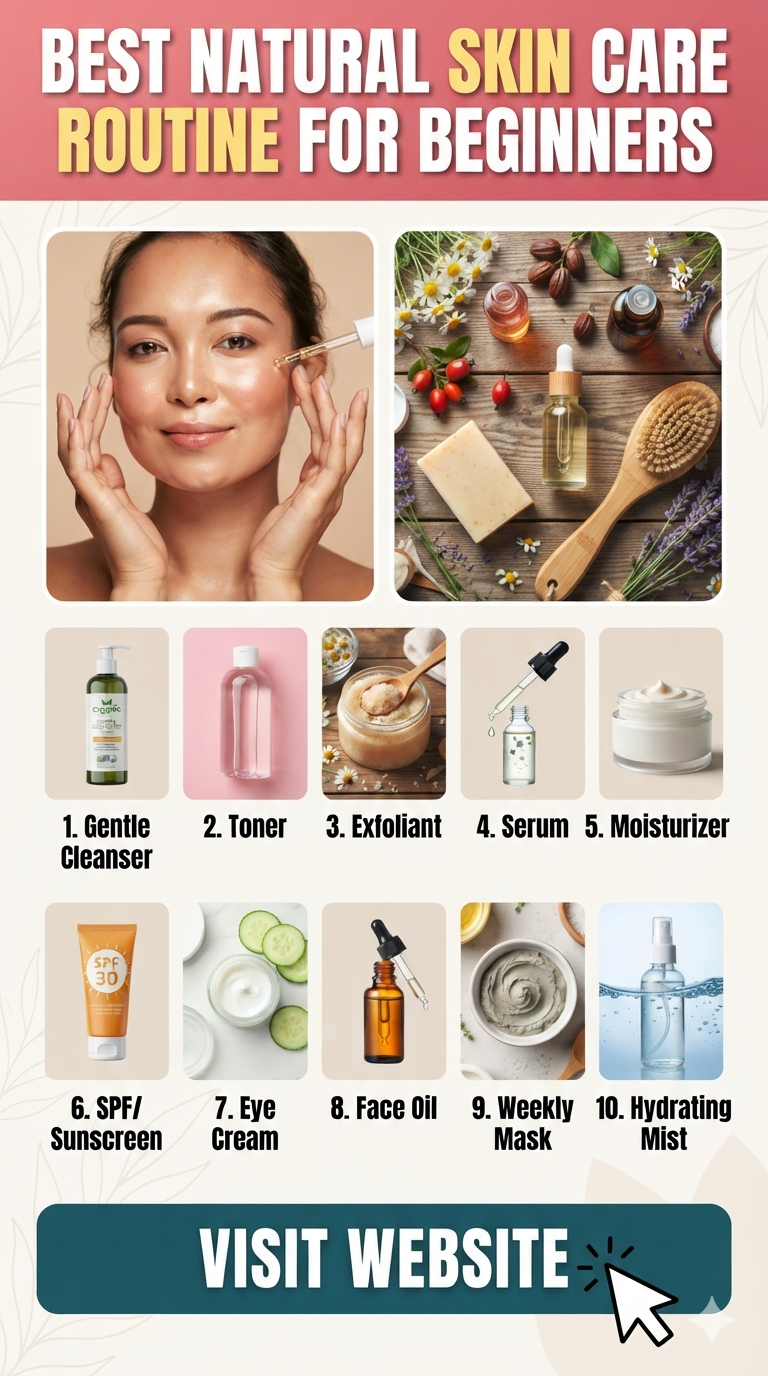
Best Natural Skin Care Routine for Beginners
The Ultimate Guide to a Natural Skin Care Routine for Beginners: Achieve Radiant Health Safely and Sustainably
In an era where the beauty industry is saturated with complex chemical formulas and multi-step regimens that seem to require a degree in chemistry to understand, there is a powerful movement returning to the basics: natural skincare. Embracing a natural skincare routine isn’t just about following a trend; it is about respecting the biology of your skin, the health of your body, and the wellbeing of the planet.
For beginners, the transition to natural products can feel overwhelming. What does “natural” actually mean? How do you know which ingredients work for your specific skin type? And most importantly, how do you build a routine that is effective without being exhausting? This comprehensive guide will walk you through every facet of natural skincare, from identifying your skin type to crafting a daily ritual that yields real results.
Part 1: Understanding the Foundation of Natural Skincare
What is Natural Skincare?
Natural skincare refers to products formulated with ingredients derived from nature—plants, minerals, and sometimes animal by-products like beeswax or honey—with minimal synthetic processing. Unlike conventional skincare, which often relies on petroleum-based ingredients, synthetic fragrances, and harsh preservatives (like parabens), natural skincare prioritizes biocompatibility.
Why Choose Natural?
- Reduced Chemical Load: The skin is the body’s largest organ and absorbs a significant portion of what is applied to it. Natural skincare reduces your exposure to endocrine disruptors and irritants.
- Nutrient Density: Plant-based ingredients are packed with antioxidants, vitamins, and essential fatty acids that nourish the skin rather than just masking issues.
- Environmental Impact: Natural ingredients are generally biodegradable and sourced through more sustainable farming practices.
- Gentle Efficacy: While “natural” doesn’t always mean “non-irritating” (poison ivy is natural, after all!), properly formulated natural products often work in harmony with the skin’s acid mantle.
Part 2: Identifying Your Skin Type
Before you buy a single bottle of oil or jar of clay, you must understand your skin’s unique needs. Applying the wrong natural ingredients can lead to breakouts or excessive dryness.
The Four Main Skin Types
- Normal Skin: Balanced moisture and oil levels. Rarely reacts to products and has small pores.
- Oily Skin: Characterized by excess sebum production, enlarged pores, and a persistent shine. Prone to blackheads and breakouts.
- Dry Skin: Lacks oil. It may feel tight, look flaky, and show fine lines more easily.
- Combination Skin: Features an oily T-zone (forehead, nose, chin) while the cheeks remain dry or normal.
- Sensitive Skin: Not a “type” in the traditional sense, but a condition where the skin reacts easily to environmental factors and products with redness or itching.
The Bare-Faced Test
To determine your type:
- Wash your face with a gentle, pH-balanced cleanser.
- Pat dry and do not apply any products.
- Wait 60 minutes.
- Observe: If it feels tight, you’re Dry. If it’s shiny all over, you’re Oily. If only the T-zone is shiny, you’re Combination. If it feels comfortable and hydrated, you’re Normal.
Part 3: The Core Natural Routine for Beginners
A beginner’s routine should be simple. Consistency is the key to seeing changes in skin texture and tone.
Step 1: Cleansing (Morning and Night)
Cleansing removes dirt, pollutants, and excess oil. In natural skincare, we avoid sulfates (like SLS) which strip the skin of its protective oils.
- Oil Cleansing Method (OCM): Ideal for all skin types, especially oily and acne-prone skin (oil dissolves oil).
- Natural Ingredients: Jojoba oil, Castor oil, Grapeseed oil.
- Honey Cleansing: Raw honey is antibacterial and a humectant (draws moisture to the skin).
- How to: Massage a teaspoon of raw honey onto damp skin and rinse.
- Clay Cleansers: Great for oily skin.
- Natural Ingredients: Kaolin clay mixed with rose water.
Step 2: Toning (Morning and Night)
Toning helps balance the skin’s pH and prepares it to absorb moisture. Forget the alcohol-based toners of the 90s.
- Rose Water: Hydrating and soothing for dry or sensitive skin.
- Witch Hazel: An astringent that tightens pores and reduces inflammation (ensure it is alcohol-free).
- Apple Cider Vinegar (Diluted): Best for acne-prone skin to restore acidity. Use 1 part ACV to 4 parts water.
Step 3: Moisturizing (Morning and Night)
Moisturizing seals in hydration and provides a protective barrier.
- Plant Oils: Often called “facial oils.”
- Dry Skin: Argan oil, Avocado oil, Rosehip seed oil.
- Oily Skin: Squalane (derived from olives), Hemp seed oil.
- Shea or Cocoa Butter: Best for very dry areas or body care.
- Aloe Vera Gel: A lightweight hydrator perfect for hot climates or oily skin.
Step 4: Sun Protection (Morning Only)
Sunscreen is the most critical anti-aging step. In natural skincare, we use Mineral/Physical Sunscreens.
- Active Ingredients: Zinc Oxide or Titanium Dioxide.
- Why: They sit on top of the skin and reflect UV rays rather than being absorbed into the bloodstream.
Part 4: Deep Dive into Natural Ingredients
To truly master your routine, you need to understand the “Superstars” of the natural world.
1. Carrier Oils
Carrier oils are the base of most natural routines.
- Jojoba Oil: Mimics human sebum almost perfectly. It tricks the skin into thinking it has produced enough oil, making it great for acne-prone individuals.
- Rosehip Oil: Rich in Vitamin A (natural retinol) and Vitamin C. Excellent for scarring and fine lines.
- Sweet Almond Oil: High in Vitamin E, great for sensitive and dry skin.
- Tamanu Oil: Known as “green gold,” it has incredible healing properties for acne scars and eczema.
2. Essential Oils
These are highly concentrated plant extracts. Warning: Never apply them directly to the skin without diluting them in a carrier oil.
- Tea Tree: Powerful antibacterial for spot treating pimples.
- Lavender: Calming and anti-inflammatory.
- Frankincense: Known for its skin-regenerating and “anti-aging” properties.
- Geranium: Helps balance sebum production.
3. Natural Acids (Exfoliants)
You don’t need harsh chemicals to exfoliate.
- Lactic Acid: Found in yogurt or sour milk. It is a gentle Alpha Hydroxy Acid (AHA) that hydrates while it exfoliates.
- Salicylic Acid: Naturally found in Willow Bark extract. It gets deep into pores to clear out gunk.
- Fruit Enzymes: Papaya (papain) and Pineapple (bromelain) dissolve dead skin cells without scrubbing.
Part 5: The Weekly Extras: Masks and Exfoliation
Once you have mastered the daily four-step routine, you can introduce weekly treatments to target specific concerns.
Natural Exfoliation (1-2 times per week)
Physical exfoliation should be gentle. Avoid crushed walnut shells which can cause micro-tears.
- Oatmeal: Ground oats mixed with water create a soothing, gentle scrub.
- Sugar/Salt Scrubs: Best for the body, too abrasive for the face.
- Rice Flour: A traditional Japanese secret for brightening skin.
Natural Face Masks
- The Detox Mask: Bentonite clay mixed with Apple Cider Vinegar. It literally “pulls” toxins out of the pores.
- The Hydration Mask: Mashed avocado mixed with a teaspoon of honey.
- The Brightening Mask: Turmeric (just a pinch!) mixed with yogurt. Turmeric is a powerful anti-inflammatory but can stain skin if used excessively.
Part 6: Addressing Specific Skin Concerns Naturally
Acne and Blemishes
Acne is often caused by bacteria, inflammation, and hormonal imbalances.
- Spot Treatment: A drop of Tea Tree oil diluted in Jojoba oil.
- Daily Support: Use Manuka honey as a cleanser; its high UMF (Unique Manuka Factor) kills acne-causing bacteria.
- Dietary Link: Often, natural skincare works best when dairy and high-sugar foods are reduced.
Aging and Fine Lines
Nature provides some of the most potent antioxidants to fight free radicals.
- Vitamin C: Look for Sea Buckthorn oil or Kakadu Plum extract.
- Natural Retinols: Bakuchiol is a plant-derived alternative to retinol that provides the same anti-aging benefits without the irritation or sun sensitivity.
- Hydration: Hyaluronic acid exists naturally in the body; plant-based versions are often derived from fermented wheat or sweet potatoes.
Hyperpigmentation and Dark Spots
- Licorice Root Extract: A natural skin lightener.
- Vitamin C: Inhibits melanin production.
- Niacinamide: Found in various plants, it helps even out skin tone and strengthen the skin barrier.
Part 7: The Importance of Internal Health
You cannot achieve glowing skin solely through topical applications. The skin is a reflection of internal health.
1. Hydration
Drinking enough water ensures that skin cells are plump and can flush out toxins. Aim for 2-3 liters a day, supplemented with herbal teas like Rooibos or Green Tea.
2. Nutrition
- Healthy Fats: Omega-3 fatty acids found in walnuts, flaxseeds, and chia seeds keep the skin’s lipid barrier strong.
- Antioxidants: Berries, dark leafy greens, and colorful vegetables fight oxidative stress.
- Probiotics: A healthy gut often equals clear skin. Include fermented foods like kimchi, sauerkraut, and kombucha.
3. Sleep
During sleep, the body’s repair systems are in overdrive. Cortisol (the stress hormone) levels drop, and growth hormones rise, allowing skin to repair damage from the day.
4. Stress Management
Stress triggers the production of cortisol, which can lead to increased oil production and breakouts. Practices like yoga, meditation, and deep breathing are essential “skincare” tools.
Part 8: Transitioning to Natural Skincare
Moving from synthetic to natural products requires a strategy to avoid overwhelming your skin.
The “Purge”
When you switch to natural products—especially those that increase cell turnover—your skin might go through a “purging” phase. This looks like a temporary increase in breakouts as toxins and clogs are pushed to the surface. Stick with it for at least 4-6 weeks.
Patch Testing
Even though an ingredient is natural, you could be allergic to it.
- Apply a small amount of the product to the inside of your forearm.
- Wait 24-48 hours.
- If no redness or itching occurs, it is safe for your face.
One Product at a Time
Don’t replace your entire vanity overnight. Introduce one natural product every two weeks. This allows you to identify exactly which product is working (or which one is causing a reaction).
Part 9: DIY Natural Skincare vs. Store-Bought
The Case for DIY
- Cost-Effective: Many ingredients are already in your kitchen.
- Control: You know exactly what is in the jar.
- Zero Waste: You can reuse glass containers.
The Case for Store-Bought (Green Beauty)
- Formulation Stability: Water-based DIY products (like creams) can grow mold and bacteria quickly without professional preservatives.
- Advanced Technology: Brands like Tata Harper, Herbivore, or OSEA use clinical-grade natural extracts that are hard to replicate at home.
- Convenience: Not everyone has the time to whip up a fresh mask every morning.
Part 10: Reading Labels Like a Pro
To avoid “Greenwashing” (where brands claim to be natural but aren’t), you must learn to read the INCI (International Nomenclature of Cosmetic Ingredients).
- Look for the order: Ingredients are listed from highest concentration to lowest.
- Avoid “Fragrance” or “Parfum”: These are often umbrellas for hundreds of undisclosed synthetic chemicals.
- Search for Certifications: Look for seals like USDA Organic, ECOCERT, or Leaping Bunny (cruelty-free).
- The “Dirty List”: Avoid Parabens, Phthalates, Sodium Lauryl Sulfate (SLS), Petrolatum, and Mineral Oil.
Part 11: Seasonal Adjustments
Your natural routine should change with the weather.
Summer
- Focus: Protection and lightweight hydration.
- Switch: Move from heavy creams to aloe-based moisturizers. Increase sun protection. Use cooling mists like cucumber hydrosol.
Winter
- Focus: Barrier protection and moisture retention.
- Switch: Add a facial oil on top of your moisturizer to prevent trans-epidermal water loss. Use creamier cleansers.
Part 12: Common Natural Skincare Myths
Myth 1: Natural products aren’t as effective as chemicals.
Truth: Many “chemical” ingredients are actually isolated versions of natural compounds. Willow bark is the precursor to salicylic acid; Bakuchiol is proving to be as effective as Retinol. Nature is the original laboratory.
Myth 2: If it’s natural, I can’t be allergic to it.
Truth: Many people are allergic to common natural ingredients like strawberries, nuts (almond oil), or specific essential oils. Always patch test.
Myth 3: Coconut oil is the best moisturizer for everyone.
Truth: Coconut oil is highly comedogenic (pore-clogging). While it is great for the body, it often causes cystic acne when used on the face by those with oily or combination skin.
Myth 4: Preservative-free is always better.
Truth: If a product contains water, it needs a preservative to prevent dangerous mold and bacteria growth. Natural preservatives like Leucidal Liquid (radish root ferment) or Vitamin E (to prevent oil rancidity) are essential for safety.
Part 13: The Ethical and Sustainable Aspect
Natural skincare often goes hand-in-hand with an ethical lifestyle.
- Cruelty-Free: Most natural brands do not test on animals.
- Vegan Beauty: Ensure your natural products don’t use lanolin (from sheep wool), carmine (from beetles), or squalene derived from shark liver (look for plant-derived squalane instead).
- Packaging: Look for glass, aluminum, or post-consumer recycled (PCR) plastic to reduce your environmental footprint.
Part 14: Step-by-Step Sample Routines
For the Minimalist (3 Steps)
- Cleanse: Raw Honey.
- Hydrate/Tone: Rose Water.
- Moisturize/Protect: Jojoba Oil (PM) / Mineral Sunscreen (AM).
For the Oily/Acne-Prone
- Cleanse: Grapeseed Oil (OCM) followed by a charcoal soap bar.
- Tone: Witch Hazel.
- Treat: Tea Tree oil spot treatment.
- Moisturize: Hemp Seed oil (very low comedogenic rating).
For the Dry/Aging Skin
- Cleanse: Almond oil.
- Tone: Geranium hydrosol.
- Serum: Rosehip Seed Oil.
- Moisturize: Shea butter-based cream.
Part 15: Conclusion – The Journey to Natural Glow
Starting a natural skincare routine is a journey of self-discovery. It requires you to slow down, listen to your skin, and learn the language of plants. There is no “overnight” miracle, but with patience and the right ingredients, you can transform your complexion into its healthiest, most vibrant state.
Remember that skincare is a form of self-care. The ritual of massaging oil into your skin or mixing a clay mask can be a meditative experience that reduces stress and improves your overall wellbeing. By choosing natural, you are making a choice that honors your body and the earth.
Begin today by checking the labels of your current products, identifying your skin type, and introducing one pure, plant-based oil into your routine. Your skin will thank you for the nourishment.