
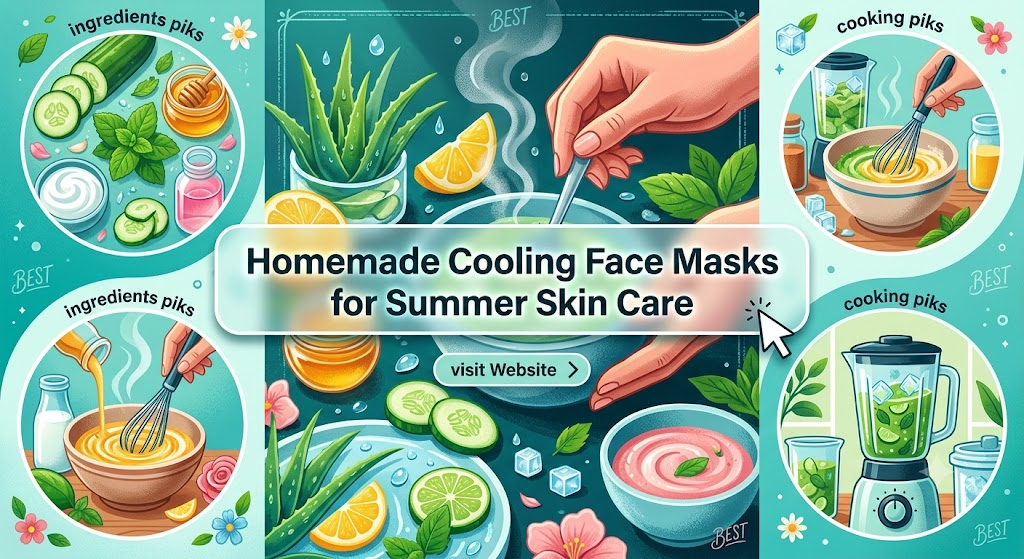
Homemade Cooling Face Masks for Summer Skin Care
The Ultimate Guide to Homemade Cooling Face Masks: Revitalize Your Summer Skin
This comprehensive guide explores the science of cooling skincare and provides a deep dive into the world of DIY face masks designed specifically to lower skin temperature, soothe inflammation, and restore that elusive summer glow.
Part 1: The Science of Summer Skin – Why We Need Cooling Masks
To understand why cooling masks are essential, we must first understand what happens to our skin during the hotter months.
1. The Heat and Sebum Connection
High temperatures increase the fluidity of sebum (the skin’s natural oil). For every degree the skin temperature rises, sebum production can increase by as much as 10%. This leads to clogged pores, “summer acne,” and a constant greasy sheen.
2. Transepidermal Water Loss (TEWL)
While it might feel like your skin is “wet” from sweat, summer heat actually accelerates evaporation. This strips the skin of its essential moisture, leading to a damaged skin barrier. Dehydrated skin often overcompensates by producing more oil, creating a vicious cycle.
3. Vasodilation and Inflammation
Heat causes blood vessels to dilate (vasodilation) to help the body cool down. This is why many people experience a flushed, red face in summer. For those with rosacea or sensitive skin, this chronic dilation can lead to persistent redness and irritation.
4. UV Damage and Oxidative Stress
Even with sunscreen, the heat and light of summer generate free radicals. These unstable molecules break down collagen and elastin, leading to premature aging and hyperpigmentation.
Cooling masks work by:
- Constricting blood vessels: Reducing redness and puffiness.
- Lowering surface temperature: Providing immediate relief from “heat stress.”
- Hydrating the stratum corneum: Infusing the top layer of skin with moisture.
- Delivering antioxidants: Neutralizing free radicals caused by sun exposure.
The Ultimate Guide to Homemade Cooling Face Masks: Revitalize Your Summer Skin Naturally
Hot summer weather can leave your skin feeling oily, irritated, sun-exposed, and dehydrated. Instead of relying on expensive skincare products, you can create effective cooling face masks at home using fresh, natural ingredients. These DIY masks help soothe inflammation, hydrate the skin, reduce redness, and restore your skin’s natural glow.
Whether you have dry, oily, combination, or sensitive skin, there’s a homemade cooling face mask that’s perfect for you.
Why Use Homemade Cooling Face Masks?
Natural face masks offer several benefits during the summer months:
- Cool and soothe overheated skin
- Reduce redness after sun exposure
- Hydrate dry skin naturally
- Control excess oil production
- Calm irritated or sensitive skin
- Refresh tired-looking skin
- Improve skin texture
- Promote a healthy summer glow
Best Ingredients for Cooling Face Masks
1. Aloe Vera Gel
Benefits
- Instantly cools the skin
- Relieves sunburn
- Deeply hydrates
- Reduces redness
- Supports skin healing
Best For
- Sensitive skin
- Dry skin
- Sunburned skin
- Acne-prone skin
2. Cucumber
Benefits
- High water content hydrates skin
- Reduces puffiness
- Cools irritated skin
- Tightens pores
- Refreshes tired skin
Best For
- Oily skin
- Puffy skin
- Summer skincare
3. Plain Yogurt
Benefits
- Moisturizes naturally
- Gently exfoliates
- Brightens dull skin
- Soothes irritation
- Leaves skin soft
Best For
- Dry skin
- Uneven skin tone
4. Honey
Benefits
- Natural moisturizer
- Antibacterial properties
- Helps acne-prone skin
- Softens rough skin
- Adds a healthy glow
Best For
- Dry skin
- Acne-prone skin
5. Oatmeal
Benefits
- Calms itchy skin
- Reduces inflammation
- Cleanses gently
- Softens skin
Best For
- Sensitive skin
- Eczema-prone skin
6. Mint Leaves
Benefits
- Natural cooling sensation
- Refreshes tired skin
- Helps reduce oil
- Revitalizes complexion
Best For
- Oily skin
- Summer heat
Homemade Cooling Face Mask Recipes
1. Aloe Vera and Cucumber Cooling Mask
Ingredients
- 2 tablespoons fresh aloe vera gel
- ¼ cucumber, blended into a paste
- 1 teaspoon rose water (optional)
How to Make
- Blend cucumber until smooth.
- Mix with aloe vera gel.
- Add rose water if desired.
- Stir until creamy.
How to Use
- Wash your face with a gentle cleanser.
- Apply an even layer over your face and neck.
- Leave on for 15–20 minutes.
- Rinse with cool water.
- Pat dry and apply moisturizer.
Benefits
- Instantly cools overheated skin
- Reduces redness
- Hydrates deeply
- Soothes sunburn
- Refreshes dull skin
2. Yogurt and Honey Hydrating Mask
Ingredients
- 2 tablespoons plain yogurt
- 1 tablespoon honey
How to Make
Mix both ingredients until smooth.
How to Use
Apply evenly.
Leave for 15 minutes.
Wash with cool water.
Benefits
- Softens skin
- Brightens complexion
- Hydrates deeply
- Calms irritation
- Adds natural glow
3. Oatmeal and Aloe Vera Soothing Mask
Ingredients
- 2 tablespoons finely ground oats
- 2 tablespoons aloe vera gel
- 1 tablespoon cool water
Instructions
Mix until it forms a smooth paste.
How to Use
Apply gently.
Leave for 15–20 minutes.
Massage lightly while rinsing.
Benefits
- Relieves itchy skin
- Reduces redness
- Moisturizes naturally
- Smooths rough texture
4. Mint and Cucumber Refreshing Mask
Ingredients
- 10 fresh mint leaves
- Half cucumber
- 1 tablespoon yogurt
Preparation
Blend everything together until smooth.
Directions
Apply evenly.
Relax for 15 minutes.
Rinse with cool water.
Benefits
- Refreshes skin instantly
- Controls excess oil
- Leaves skin cool
- Reduces puffiness
5. Rose Water and Aloe Hydration Mask
Ingredients
- 2 tablespoons aloe vera gel
- 1 tablespoon rose water
- 1 teaspoon glycerin (optional for dry skin)
Instructions
Mix until smooth.
How to Use
Apply for 20 minutes.
Wash with cool water.
Benefits
- Hydrates deeply
- Cools skin
- Improves skin softness
- Restores moisture balance
6. Watermelon Cooling Face Mask
Ingredients
- 2 tablespoons fresh watermelon pulp
- 1 tablespoon yogurt
- 1 teaspoon honey
Preparation
Mix into a creamy paste.
How to Use
Leave on for 15 minutes.
Wash with cool water.
Benefits
- Hydrates instantly
- Refreshes tired skin
- Rich in antioxidants
- Brightens complexion
How Often Should You Use Cooling Face Masks?
The ideal frequency depends on your skin type.
| Skin Type | Frequency |
|---|---|
| Oily Skin | 2–3 times per week |
| Dry Skin | 2 times per week |
| Combination Skin | 2–3 times per week |
| Sensitive Skin | Once or twice weekly |
Tips for Best Results
- Always start with clean skin.
- Use fresh ingredients whenever possible.
- Chill ingredients in the refrigerator for 10–15 minutes before use for an extra cooling effect.
- Avoid using hot water after removing the mask.
- Apply a lightweight moisturizer afterward to lock in hydration.
- Wear sunscreen daily, especially after spending time outdoors.
Safety Tips
- Perform a patch test before using any new ingredient.
- Avoid applying masks to broken or infected skin.
- If you experience itching, burning, or irritation, rinse the mask off immediately.
- Use clean bowls and utensils to prepare homemade masks.
- Discard leftover fresh masks rather than storing them for later use.
Frequently Asked Questions
Can I use these masks every day?
Most homemade cooling masks are best used 1–3 times per week. Daily use may not be necessary and could irritate some skin types.
Which mask is best for sunburned skin?
The Aloe Vera and Cucumber Cooling Mask is one of the best options for soothing mild sun-exposed skin because it helps cool and hydrate.
Can oily skin use honey?
Yes. Honey is a lightweight natural humectant that hydrates without making the skin feel greasy and may help reduce acne-causing bacteria.
Should I refrigerate my face mask?
You can chill freshly prepared masks for about 10–15 minutes before application for a more refreshing experience. Use them the same day for the best quality.
Can I use ice directly on my face?
Applying ice directly to the skin is generally not recommended, as it can irritate or damage the skin. Wrap ice in a soft cloth if using it briefly, or choose a chilled face mask instead.
Conclusion
Homemade cooling face masks are an easy, affordable way to care for your skin during the summer. Ingredients like aloe vera, cucumber, yogurt, honey, oatmeal, mint, and watermelon can help hydrate, soothe, and refresh your complexion. When used consistently alongside a gentle skincare routine, sunscreen, and proper hydration, these DIY masks can leave your skin looking healthy, calm, and radiant all season long.
Part 2: The Cooling Ingredient Encyclopedia
Before we jump into the recipes, let’s analyze the “superstars” of the cooling world. Knowing what these ingredients do allows you to customize your masks based on your specific skin needs.
1. Cucumber (The Hydrator)
Cucumbers are 96% water. They contain ascorbic acid (Vitamin C) and caffeic acid, which help soothe skin irritations and reduce swelling. Their natural pH is identical to that of the skin, making them the ultimate non-irritating base.
2. Aloe Vera (The Healer)
Aloe vera contains a compound called aloin, which has proven anti-inflammatory properties. It also acts as a humectant, pulling moisture into the skin without leaving a greasy residue.
3. Mint and Peppermint (The Refrigerators)
Menthol is the active component in mint. It triggers the “cold-sensitive” receptors in the skin, providing a sensory cooling effect that lasts long after the mask is washed off. It also has mild antibacterial properties.
4. Yogurt and Buttermilk (The Exfoliators)
Rich in lactic acid (an Alpha Hydroxy Acid), yogurt gently dissolves dead skin cells while the probiotics help balance the skin’s microbiome. The fat content in full-fat yogurt provides a protective, cooling barrier.
5. Watermelon (The Antioxidant Bomb)
Watermelon is rich in lycopene and Vitamin C. Lycopene helps protect the skin from UV-induced damage, while the high water content provides an instant splash of hydration.
6. Green Tea (The Protector)
The polyphenols (specifically EGCG) in green tea are powerful antioxidants. When chilled, green tea helps shrink blood vessels and reduce under-eye puffiness.
7. Rose Water (The Balancer)
A natural astringent, rose water helps maintain the skin’s pH balance and controls excess oil while providing a calming, floral aroma that reduces stress.
8. Sandalwood (The Traditional Cooler)
In Ayurvedic medicine, sandalwood is prized for its “Pitta-pacifying” (heat-reducing) properties. It is excellent for calming heat rashes and inflammatory acne.
Part 3: Categorized Cooling Mask Recipes
We have divided these recipes into categories based on skin concerns. For best results, chill all ingredients in the refrigerator for 30 minutes before mixing.
Category A: The “Deep Freeze” for Sunburned and Inflamed Skin
These masks are designed for those days when you’ve spent a little too much time in the sun and your face feels tight, hot, and angry.
1. The Ultimate Cucumber-Aloe Gel Mask
This is the “gold standard” for cooling.
- Ingredients: 1/2 cucumber (grated), 2 tablespoons fresh aloe vera gel, 1 teaspoon rose water.
- Method: Blend the cucumber until it’s a pulp. Mix in the aloe vera and rose water.
- Application: Apply a thick layer. Leave on for 20 minutes.
- Why it works: The cucumber lowers the skin’s temperature, while the aloe vera begins the cellular repair process.
2. The Chilled Milk and Oatmeal Compress
Oatmeal contains avenanthramides, which are potent anti-inflammatory compounds.
- Ingredients: 1/4 cup cold whole milk, 2 tablespoons finely ground oats (colloidal oatmeal).
- Method: Soak the oats in the cold milk until it forms a paste.
- Application: Gently pat onto the skin (do not rub). Let it sit for 15 minutes.
- Why it works: The proteins in the milk create a protective film, while the oatmeal calms itching and redness.
3. Watermelon and Honey Soother
- Ingredients: 2 tablespoons watermelon juice, 1 tablespoon raw honey.
- Method: Mix the juice and honey thoroughly.
- Application: Use a cotton ball to apply several layers to the face.
- Why it works: Honey is a natural humectant that prevents the watermelon juice from evaporating too quickly, ensuring deep hydration.
Category B: Oil-Control and Pore-Refining Cooling Masks
For those who struggle with “summer grease” and enlarged pores, these masks use cooling agents combined with natural astringents.
4. The Minty Clay Detox
- Ingredients: 1 tablespoon Multani Mitti (Fuller’s Earth) or Kaolin clay, 5-6 fresh mint leaves (crushed), 1 tablespoon cold water or rose water.
- Method: Grind the mint leaves into the water, then mix into the clay to form a paste.
- Application: Apply to the T-zone or the whole face. Wash off before it dries completely.
- Why it works: The clay pulls out excess sebum, while the menthol in the mint provides a deep “zingy” cooling sensation that makes pores appear smaller.
5. Green Tea and Lemon Zest Refresher
- Ingredients: 1/4 cup strong brewed green tea (chilled), a pinch of lemon zest, 1 tablespoon rice flour (for thickness).
- Method: Whisk the ingredients together.
- Application: Apply with a brush. Leave for 15 minutes.
- Why it works: Green tea tannins constrict the pores, and the lemon zest provides a boost of Vitamin C to brighten sun-dulled skin.
6. Tomato and Yogurt “Ice” Mask
- Ingredients: 1 tablespoon tomato pulp, 1 tablespoon cold yogurt.
- Method: Mix the acidic tomato pulp with the soothing yogurt.
- Application: Apply and leave for 10-12 minutes.
- Why it works: Tomato is naturally acidic and helps dissolve the “glue” that holds dead skin cells in pores, while yogurt cools the reaction.
Category C: Brightening and Anti-Tan Masks
Summer sun often leads to uneven skin tone. These masks use cooling bases to deliver natural skin-lightening agents.
7. The Golden Yogurt Mask (Turmeric & Curd)
- Ingredients: 2 tablespoons chilled thick yogurt, 1/4 teaspoon organic turmeric, 1 teaspoon honey.
- Method: Mix until the color is a uniform pale yellow.
- Application: Leave on for 15 minutes.
- Why it works: Turmeric is anti-inflammatory and inhibits melanin production, while yogurt provides the cooling lactic acid.
8. Potato and Lemon Juice Brightener
- Ingredients: 1 tablespoon potato juice (grate a cold potato and squeeze), 1 teaspoon lemon juice.
- Method: Mix the two juices.
- Application: Soak a cotton pad and leave it on darkened areas (like the forehead or cheeks).
- Why it works: Potato contains catecholase, a natural enzyme that lightens skin, and when used cold, it reduces the puffiness associated with heat.
9. Papaya and Honey Glow Mask
- Ingredients: 2 tablespoons mashed ripe papaya (chilled), 1 teaspoon honey.
- Method: Mash the papaya into a smooth paste and stir in honey.
- Application: Massage into the skin for 2 minutes, then let it sit for 15 minutes.
- Why it works: Papain enzymes in papaya exfoliate the “tan” layer of the skin, while the fruit’s water content cools the surface.
Category D: Anti-Aging and Plumping Cooling Masks
Heat can exacerbate the appearance of fine lines by dehydrating the skin. These masks focus on “locking in” moisture and providing antioxidant support.
10. Avocado and Coconut Water Hydrator
- Ingredients: 1/4 ripe avocado (mashed), 2 tablespoons cold coconut water.
- Method: Blend until creamy.
- Application: Apply a generous layer.
- Why it works: Avocado provides healthy fatty acids to repair the sun-damaged barrier, and coconut water provides essential electrolytes.
11. Pomegranate and Rose Mask
- Ingredients: 1 tablespoon pomegranate juice, 1 tablespoon rose water, 1 teaspoon kaolin clay (optional, for consistency).
- Method: Mix the liquids. Add clay if you prefer a thicker mask.
- Application: Apply and relax for 20 minutes.
- Why it works: Pomegranates are rich in ellagic acid, which helps prevent collagen breakdown from UV rays.
12. Banana and Heavy Cream Nourisher
- Ingredients: 1/2 mashed banana, 1 tablespoon cold heavy cream or malai.
- Method: Whip together until light and fluffy.
- Application: Apply to face and neck.
- Why it works: Banana contains potassium which hydrates, while the fats in the cream provide deep nourishment to sun-parched, mature skin.
Part 4: The “Ice Cube” Facial Revolution
One of the most effective ways to use these ingredients in the summer is by freezing them into “Beauty Cubes.” This combines the benefits of the ingredients with cryotherapy (cold therapy).
How to make Beauty Cubes:
- Prepare your liquid of choice (Green tea, Cucumber juice, Rose water).
- Pour into an ice tray.
- Add a small piece of mint leaf or a slice of lemon to each cube for extra potency.
- Freeze.
How to use:
- Wrap a cube in a thin muslin cloth (never apply ice directly to the skin for long periods as it can cause “ice burn”).
- Gently glide the cube over your face in circular motions after a long day in the sun.
- Focus on the under-eye area to depuff and the jawline to tighten.
Part 5: The Art of Application – Maximizing the Cooling Effect
Simply putting a mask on is great, but how you apply it can double its effectiveness.
1. The Pre-Mask Prep
Before applying a cooling mask, wash your face with a gentle, non-foaming cleanser. If your skin isn’t sunburned, you can use a very gentle sugar scrub to remove dead skin, allowing the mask’s nutrients to penetrate deeper.
2. The Layering Technique
For watery masks (like watermelon or green tea), don’t just apply once. Apply a layer, let it dry for 2 minutes, and apply another. Repeat this 3-4 times. This creates a “saturation” effect.
3. DIY Sheet Masking
You can turn any liquid cooling mask into a professional sheet mask. Buy compressed cotton mask tablets (available online). Soak them in your chilled mixture (e.g., cucumber juice and rose water) until they expand. Apply the sheet to your face. This prevents the liquid from evaporating and forces the skin to absorb the moisture.
4. The “Double Chill”
While the mask is on, place two chilled cucumber slices or used, cold green tea bags over your eyes. This treats the delicate periorbital skin which is most prone to heat-related puffiness.
Part 6: Storage and Safety – Keeping it Fresh
Since these masks are 100% natural and contain no preservatives, they require special care.
- Freshness is Key: Ideally, make your mask right before you use it. If you must make it in advance, keep it in an airtight glass jar in the fridge for no more than 24-48 hours.
- The Smell Test: If a mask (especially one containing yogurt or fruit) smells sour or looks discolored, toss it. Bacteria love summer heat just as much as we love the beach.
- Patch Testing: Natural doesn’t always mean “non-irritating.” Always do a patch test on your inner arm, especially with ingredients like lemon, mint, or turmeric.
- Avoid the Sun After Masking: Ingredients like lemon and certain essential oils can be photosensitive, making your skin more prone to burning. Always apply these masks in the evening or stay indoors after use.
Part 7: Complementary Summer Skin Habits
A cooling mask is only one part of the puzzle. To truly keep your skin healthy in the summer, consider these holistic tips:
1. Internal Hydration
If you are dehydrated internally, no amount of watermelon on your face will fix it. Aim for 3 liters of water a day. Infuse your water with cucumber and mint to mirror the cooling effects of your masks from the inside out.
2. Temperature Regulation
Avoid washing your face with hot water. Even in winter, lukewarm is best, but in summer, “cool-to-the-touch” water helps keep the skin’s capillaries from dilating.
3. The “Fridge” Trick
Keep your toner, moisturizer, and eye cream in the refrigerator. The sudden drop in temperature when you apply these products provides a “mini-facial” every morning and night, reducing inflammation.
4. Fabric Matters
Switch to silk or bamboo pillowcases. These materials stay cooler than cotton and don’t absorb the moisture (and the face masks!) off your skin while you sleep.
Part 8: Troubleshooting Summer Skin Issues
Sometimes, a cooling mask isn’t enough. Here’s how to handle specific summer crises:
- Heat Rash (Miliaria): Use a mask of chilled sandalwood powder and rose water. Avoid heavy creams which can block sweat ducts further.
- Severe Sunburn: Forget the fancy ingredients. Stick to pure, chilled aloe vera gel or a cold-water compress. If blistering occurs, see a doctor.
- Post-Pool Chlorine Burn: Chlorine is incredibly drying. After swimming, use the Avocado and Coconut Water mask to replenish the fats stripped by the pool chemicals.
Part 9: A Weekly Summer Masking Schedule
To keep your skin in peak condition, try this rotation:
- Monday (The Reset): Minty Clay Detox to clear out the weekend’s sunscreen and sweat.
- Wednesday (The Brightener): Turmeric and Yogurt mask to keep the “summer glow” and fight tanning.
- Friday (The Hydrator): Cucumber-Aloe Gel Mask to prep the skin for weekend sun exposure.
- Sunday (The Recovery): Avocado and Coconut Water mask to repair and nourish.
Conclusion: Embracing the Natural Chill
Summer is a season of vitality, but it demands a shift in how we care for our largest organ. By stepping away from heavy, chemical-laden products and embracing the cooling power of nature, you give your skin the chance to breathe, heal, and thrive.
Homemade cooling masks are more than just a beauty ritual; they are a form of sensory therapy. The scent of fresh mint, the weight of cold cucumber, and the soothing touch of aloe vera provide a moment of peace in the sweltering heat. This summer, let your kitchen be your spa. Your skin—and your wallet—will thank you.
By consistently applying these natural remedies, you aren’t just treating the symptoms of summer heat; you are building a resilient, hydrated, and radiant complexion that can stand up to the sun. So, grab a cucumber, clear some space in the fridge, and start your journey to the coolest skin of your life.