
Mango Habanero Chicken Thighs Recipe – Juicy and Easy Meal
There is a specific kind of culinary magic that happens when the tropical, floral sweetness of a ripe mango meets the searing, citrusy heat of a habanero pepper. When this duo is lacquered onto succulent, bone-in, skin-on chicken thighs, the result is a dish that transcends the ordinary. Whether you are hosting a summer backyard barbecue, looking to spice up your weeknight meal prep, or aiming to impress guests at a dinner party, these Mango Habanero Chicken Thighs are the definitive answer.
In this comprehensive guide, we will explore everything from the science of the perfect glaze to the best cooking methods—whether you prefer the char of a grill, the convenience of an air fryer, or the reliable browning of a standard oven. Get ready to master the balance of heat and sweet.
Why Chicken Thighs are the Superior Choice
While chicken breasts often get the spotlight for being lean, the chicken thigh is the unsung hero of the poultry world, especially when dealing with high-heat glazes and bold spices.
- Fat Content and Flavor: Thighs contain more intramuscular fat than breasts. This fat renders during the cooking process, basting the meat from the inside out and ensuring it remains juicy even if it stays in the heat a few minutes too long.
- Texture: The dark meat of the thigh has a more robust, “chicken-forward” flavor that can stand up to the aggressive heat of a habanero and the sugary intensity of a mango.
- The Skin: Chicken thighs offer a wider surface area of skin. When rendered correctly, this skin becomes a crispy vessel for the mango habanero sauce, providing a textural contrast that is essential for a high-end eating experience.
The Flavor Profile: Understanding the “Sweet-Heat” Dynamic
The “Sweet-Heat” flavor profile—often called “swicy”—is a staple in Caribbean and Mexican cuisines. This recipe draws inspiration from these traditions but simplifies the process for the home cook.
- The Mango: Provides the base. Its natural sugars caramelize under heat, creating those beautiful charred bits on the chicken skin. It also offers a creamy mouthfeel that helps coat the palate.
- The Habanero: These peppers are famous for their heat, ranging from 100,000 to 350,000 on the Scoville scale. However, beyond the burn, habaneros have a distinct fruity, floral note that pairs perfectly with tropical fruits.
- The Acid: Lime juice is crucial here. It cuts through the sugar of the mango and the richness of the chicken fat, brightening the entire dish.
Ingredients You Will Need
To create the most flavorful Mango Habanero Chicken Thighs, quality is key. Here is a breakdown of what you’ll need for the chicken and the signature sauce.
For the Chicken Prep
- 6-8 Bone-in, Skin-on Chicken Thighs: Approximately 2.5 to 3 pounds.
- 2 tablespoons Olive Oil: To help the dry rub adhere and promote browning.
- 1 tablespoon Smoked Paprika: Adds a deep, earthy color and a hint of smokiness.
- 1 teaspoon Garlic Powder: For a savory foundational layer.
- 1 teaspoon Onion Powder: Adds sweetness and depth.
- Kosher Salt and Freshly Cracked Black Pepper: To taste.
For the Mango Habanero Glaze
- 2 Ripe Mangoes: Peeled and cubed (or 1.5 cups of frozen mango chunks, thawed).
- 1-2 Habanero Peppers: Seeded and finely minced (adjust based on your heat tolerance).
- 3 cloves Garlic: Freshly minced.
- 1/4 cup Honey or Agave Nectar: To enhance the glaze’s stickiness and sweetness.
- 2 tablespoons Apple Cider Vinegar: For a tangy kick.
- 1 tablespoon Soy Sauce (or Tamari): For a hit of umami.
- Juice of 1 Lime: Freshly squeezed.
- 1 teaspoon Fresh Ginger: Grated (optional, but highly recommended for brightness).
Step-by-Step Instructions: The Master Method
1. Preparing the Mango Habanero Sauce
The sauce is the soul of this dish. It is best to make it first so the flavors have time to meld.
- Blend the Base: In a blender or food processor, combine the mango chunks, honey, apple cider vinegar, soy sauce, and lime juice. Blend until completely smooth.
- Sauté the Aromatics: In a small saucepan over medium heat, add a teaspoon of oil. Sauté the minced garlic, grated ginger, and minced habanero for about 1–2 minutes until fragrant. Safety Tip: Do not lean directly over the pan; the habanero fumes can be quite potent!
- Simmer and Reduce: Pour the blended mango mixture into the saucepan with the aromatics. Bring to a gentle simmer. Let it cook for 10–15 minutes, stirring occasionally, until the sauce has thickened to a glaze-like consistency (it should easily coat the back of a spoon).
- Set Aside: Remove from heat. Reserve about 1/3 of the sauce in a separate bowl to serve as a dipping sauce later (this prevents cross-contamination with raw chicken).
2. Seasoning the Chicken
- Dry the Skin: This is the most important step for crispy skin. Use paper towels to pat the chicken thighs thoroughly dry on both sides.
- Apply Oil and Rub: Drizzle the olive oil over the thighs. In a small bowl, mix the paprika, garlic powder, onion powder, salt, and pepper. Rub this mixture evenly over and under the skin of the chicken.
3. The Cooking Process (Choose Your Method)
Method A: Oven-Roasted (Most Consistent)
- Preheat your oven to 400°F (200°C).
- Place a wire rack over a baking sheet. This allows hot air to circulate under the chicken, preventing “soggy bottoms.”
- Arrange the thighs skin-side up.
- Bake for 25–30 minutes.
- The Glazing Phase: Remove the chicken from the oven. Using a brush, generously coat each thigh with the mango habanero sauce. Return to the oven for another 10–15 minutes.
- Optional Broil: For extra char, turn the broiler on for the last 2 minutes, watching closely to prevent burning.
Method B: Grilling (Best for Summer)
- Preheat your grill to medium-high heat (about 375°F–400°F).
- Lightly oil the grates.
- Place chicken thighs skin-side down first to render the fat and get sear marks (about 5–7 minutes).
- Flip and cook for another 15–20 minutes on indirect heat.
- In the final 5–8 minutes of cooking, brush the glaze onto the chicken repeatedly, turning occasionally to build up a sticky, caramelized crust.
Method C: Air Fryer (Fastest and Crispiest)
- Preheat the air fryer to 375°F.
- Place the seasoned thighs in the basket, ensuring they don’t overlap.
- Air fry for 15 minutes.
- Open the basket and brush the sauce onto the thighs.
- Air fry for another 5–7 minutes until the internal temperature reaches 165°F and the glaze is bubbling.
Pro-Tips for the Best Mango Habanero Chicken
Handle Habaneros with Care
Habanero peppers contain high amounts of capsaicin. Always wear gloves when chopping them. If you touch them with your bare hands, avoid touching your eyes or face, and wash your hands thoroughly with dish soap (which breaks down oils better than hand soap). To reduce the heat, remove all seeds and the white internal membranes of the pepper.
Choosing the Right Mango
For the best flavor, use Kent or Ataulfo (Honey) mangoes. Ataulfo mangoes are less fibrous and have a much sweeter, creamier texture, which results in a smoother sauce. A ripe mango should give slightly when squeezed and have a fragrant aroma at the stem end.
Temperature is Everything
While the USDA recommends 165°F (74°C) for chicken, many chefs prefer taking chicken thighs to 175°F (79°C). Because thighs have more connective tissue, cooking them slightly higher allows that tissue to break down further, resulting in “fall-off-the-bone” tenderness without drying out.
Variations and Substitutions
- Make it Keto: Replace the honey with a sugar-free maple syrup or a keto-friendly sweetener like Allulose. Use a sugar-free mango flavoring or a small amount of real mango (in moderation).
- Make it Paleo/Whole30: Use coconut aminos instead of soy sauce and ensure your sweetener is raw honey or omit it entirely, relying on the mango’s natural sugars.
- Change the Protein: This glaze works exceptionally well on grilled shrimp, pork tenderloin, or even roasted cauliflower wings for a vegetarian option.
- The Heat Level: If habanero is too intense, swap it for a Fresno chili or a Jalapeño. If you want it even hotter, add a splash of your favorite habanero-based hot sauce to the glaze.
What to Serve with Mango Habanero Chicken
To balance the intensity of the sweet and spicy chicken, you want sides that offer cooling properties or complementary tropical notes.
- Cilantro Lime Rice: The acidity of the lime and the freshness of the cilantro cut through the richness of the chicken.
- Coconut Slaw: A crunchy cabbage slaw with a dressing made of coconut milk, lime, and a hint of honey provides a cooling contrast to the habanero heat.
- Grilled Pineapple: If you’re already grilling, throw some pineapple rings on. The charred fruit mirrors the mango flavor in the sauce.
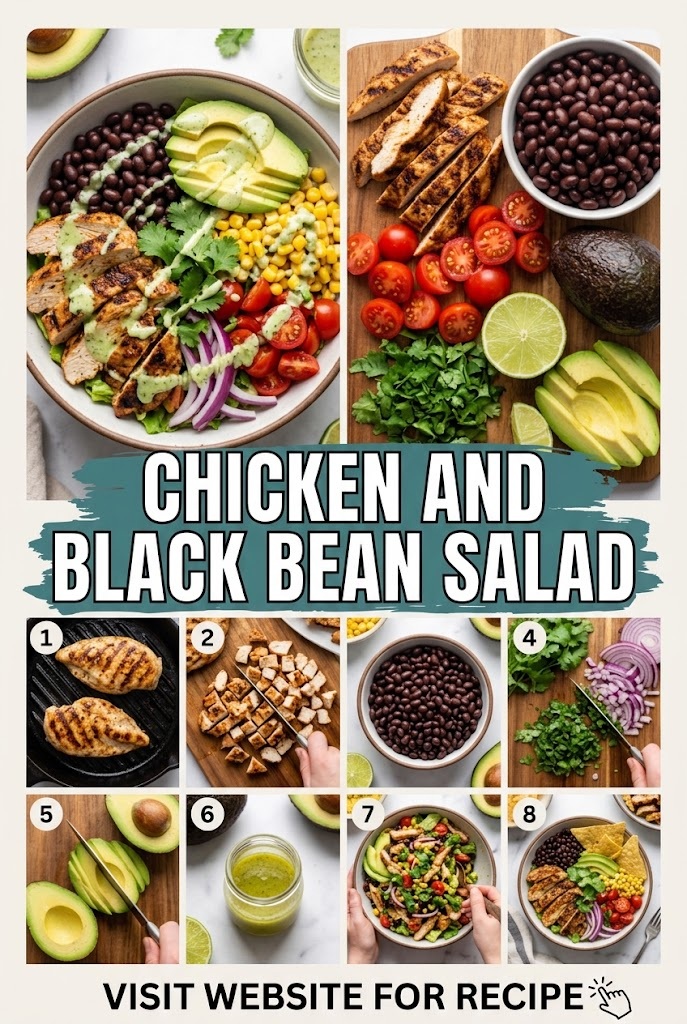
- Black Bean and Corn Salad: A hearty, fiber-rich side with bell peppers, red onions, and a light vinaigrette.
- Roasted Sweet Potatoes: The natural earthiness of sweet potatoes pairs beautifully with the tropical glaze.
Storing and Reheating
Storage: Store any leftover chicken in an airtight container in the refrigerator for up to 3–4 days.
Reheating: To maintain the crispy skin, avoid the microwave if possible. Instead, reheat the chicken in the oven or air fryer at 350°F until warmed through. This will help the glaze re-caramelize and the skin crisp back up.
Freezing: You can freeze the cooked chicken for up to 3 months. However, for the best quality, freeze the raw chicken in the marinade/sauce. When you are ready to eat, thaw it in the fridge overnight and cook as directed. The marinating process while thawing will make the meat incredibly flavorful.
Troubleshooting Common Issues
- The Glaze is Too Thin: If your sauce isn’t sticking to the chicken, it likely needs to be reduced further on the stove. Simmer it longer to evaporate more moisture. You can also add a cornstarch slurry (1 tsp cornstarch mixed with 1 tsp cold water) to the simmering sauce to thicken it instantly.
- The Chicken Skin is Soggy: This usually happens if the oven isn’t hot enough or if the chicken was crowded in the pan. Ensure you use a wire rack and keep space between the thighs.
- The Sauce is Too Hot: If you accidentally made the sauce too spicy, add more mango puree or a bit more honey. Dairy also neutralizes capsaicin, so serving the dish with a side of lime-infused Greek yogurt or sour cream can help guests manage the heat.
- The Glaze is Burning: Because of the high sugar content in mango and honey, the glaze can burn if applied too early. Only apply the glaze during the last 10–15 minutes of cooking.
The Nutritional Profile: A Healthy Powerhouse
Mango Habanero Chicken Thighs aren’t just delicious; they offer significant nutritional benefits:
- Mangoes: Rich in Vitamin C (immune support) and Vitamin A (eye health).
- Habaneros: Contain capsaicin, which has been shown to boost metabolism and have anti-inflammatory properties.
- Chicken Thighs: A great source of high-quality protein, iron, and zinc.
- Garlic and Ginger: Both are powerhouses for gut health and contain antimicrobial properties.
By making the sauce from scratch rather than using store-bought bottles, you eliminate high-fructose corn syrup, excessive sodium, and artificial preservatives, making this a wholesome meal you can feel good about serving your family.
Frequently Asked Questions (FAQs)
Can I use chicken breasts instead of thighs?
Yes, but be careful. Chicken breasts dry out much faster. We recommend brining the breasts in salt water for 30 minutes before cooking and reducing the cooking time to ensure they stay moist.
Is this recipe gluten-free?
As long as you use a gluten-free soy sauce (like Tamari) or coconut aminos, this recipe is 100% gluten-free.
Can I make the sauce ahead of time?
Absolutely. The Mango Habanero glaze can be made up to a week in advance and stored in a glass jar in the refrigerator. In fact, the flavors often improve after sitting for 24 hours.
How do I peel a mango easily?
The “glass method” is popular: cut the cheeks off the mango, then slide the edge of a sturdy drinking glass between the skin and the flesh to scoop it out. Alternatively, use a sharp vegetable peeler before slicing.
What if I can’t find fresh mangoes?
Frozen mangoes are a fantastic alternative. They are picked at peak ripeness and frozen immediately, so the flavor is often more consistent than “fresh” mangoes that have traveled long distances. Just ensure they are fully thawed before blending.
Final Thoughts: Elevating Your Home Cooking
Mastering a dish like Mango Habanero Chicken Thighs is about understanding the balance of elements. It’s a recipe that engages all the senses: the vibrant orange hue of the sauce, the aromatic scent of ginger and garlic, the audible crunch of the skin, and the complex journey of flavors from sweet to savory to spicy.
Cooking at home allows you to control the narrative of your food. You can dial the heat up to a “dare” level or keep it as a mild tropical hum. You can char it to perfection on a charcoal grill or keep it succulent in a modern air fryer. No matter which path you choose, this recipe is a testament to how simple ingredients, when treated with care, can create an extraordinary dining experience.
Gather your ingredients, prep your mangoes, and get ready for a meal that will undoubtedly become a recurring favorite in your kitchen rotation. Enjoy the heat!