Oven-Baked Creamy Tuscan Chicken Dinner Idea for Busy Nights
In the frantic dance of modern life, the quest for a dinner that balances gourmet flair with the practicality of a “busy night” schedule often feels like an impossible dream. We want the richness of a restaurant-quality meal, the health benefits of fresh greens, and the soul-warming comfort of a home-cooked feast—all without spending hours hunched over a stove. Enter the Oven-Baked Creamy Tuscan Chicken.
This dish is more than just a recipe; it is a culinary strategy. It transforms humble chicken breasts into a velvety, sun-drenched masterpiece using a handful of Mediterranean-inspired ingredients. By moving the process to the oven, you reclaim your evening, allowing the dry heat to marry the flavors of garlic, parmesan, and sun-dried tomatoes into a sauce that is nothing short of liquid gold.
Why This Tuscan Chicken Recipe Wins Every Time
What makes “Tuscan” chicken so iconic? While the name is more an American tribute to the flavors of Central Italy than a strictly traditional Italian dish, it captures the essence of the Mediterranean diet: bold aromatics, bright acidity, and rich fats.
The beauty of the oven-baked version lies in its consistency. Stovetop cooking requires constant monitoring to ensure the chicken doesn’t dry out or the cream doesn’t break. In the oven, the chicken is essentially poached in a bath of seasoned cream, ensuring every bite remains succulent, tender, and infused with flavor from the inside out.
The Flavor Profile: A Symphony of Ingredients
At its core, this dish relies on a specific “flavor triad”:
- The Umami: Sun-dried tomatoes and aged Parmesan cheese.
- The Freshness: Fresh baby spinach and aromatic garlic.
- The Creaminess: Heavy cream and high-quality olive oil.
When these elements combine, they create a balanced profile that hits every taste bud—salty, savory, slightly sweet (from the tomatoes), and earthy (from the spinach).
Anatomy of the Ingredients: Quality Matters
To achieve a 5-star result at home, understanding your ingredients is the first step toward mastery.
1. The Chicken: Breast vs. Thighs
While this recipe focuses on chicken breasts for a leaner, quicker-cooking option, chicken thighs are a fantastic alternative.
- Boneless, Skinless Breasts: These are the gold standard for quick dinners. Because they are lean, the creamy sauce acts as a protective layer, preventing the meat from becoming “woody” or dry.
- Boneless Thighs: If you prefer a richer, more forgiving meat, thighs are excellent. They contain more connective tissue, which breaks down into gelatin during the bake, adding even more body to the sauce.
2. Sun-Dried Tomatoes: The Secret Weapon
Don’t reach for the dry-packed tomatoes in a pouch. For this dish, you want sun-dried tomatoes packed in oil. The oil itself is infused with the concentrated essence of the tomato and can be used to sear the chicken for an extra layer of flavor. These tomatoes provide a chewy texture and a concentrated burst of acidity that cuts through the heavy cream.
3. The Cream Element
For the most luxurious sauce, use heavy whipping cream. If you are looking for a lighter version, you can substitute with half-and-half, but be warned: the lower the fat content, the higher the risk of the sauce curdling at high temperatures. To prevent this, a small teaspoon of cornstarch can be whisked into lighter creams to stabilize them.
4. Fresh vs. Frozen Spinach
Fresh baby spinach is non-negotiable here. It wilts perfectly in the residual heat of the oven, maintaining its vibrant green color. Frozen spinach contains too much moisture and can turn your creamy sauce into a watery, grey mess.
5. The Cheese
Always grate your own Parmesan. Pre-shredded cheeses are coated in potato starch or cellulose to prevent clumping, which prevents them from melting smoothly into the sauce. A block of Parmigiano-Reggiano will provide a nutty, sharp finish that elevates the dish.
Step-by-Step Guide to the Perfect Bake
Phase 1: Preparation and Searing
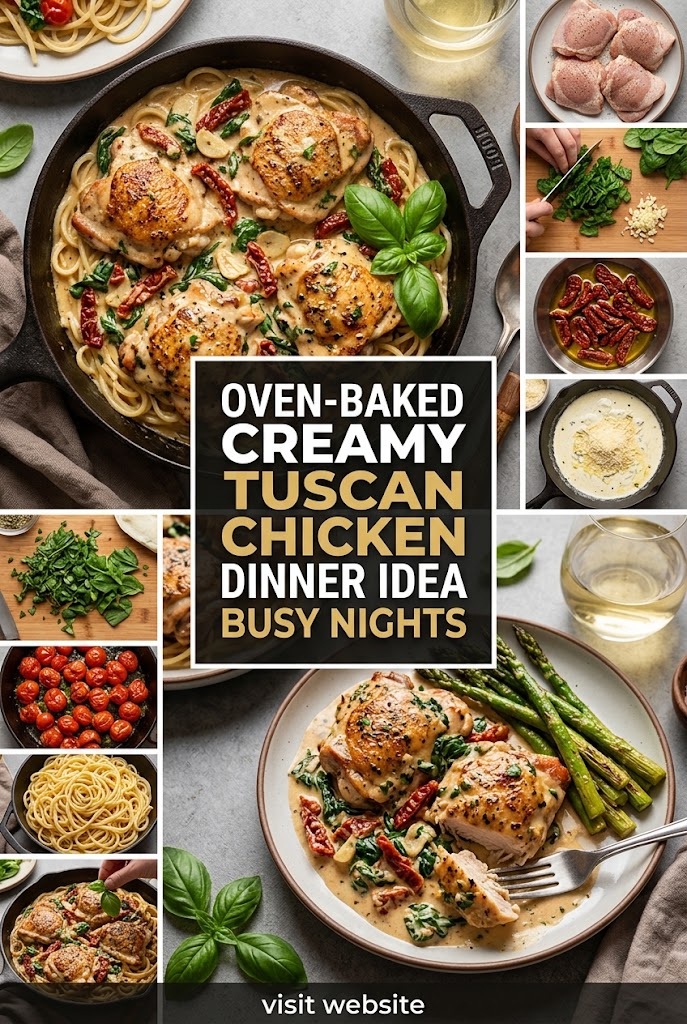
While this is an oven-baked dish, a quick 2-minute sear on the stovetop is the “pro-tip” that changes everything. Searing creates the Maillard reaction—the browning of the meat—which develops deep savory flavors that baking alone cannot replicate.
- Seasoning: Pat the chicken dry with paper towels. Season generously with salt, black pepper, and Italian seasoning (dried oregano, basil, and thyme).
- The Sear: Heat olive oil in an oven-safe skillet (like cast iron) over medium-high heat. Sear the chicken for 2-3 minutes per side until golden brown. It won’t be cooked through, and that’s exactly what we want.
Phase 2: Building the Sauce
Once the chicken is seared, remove it from the pan and set it aside. In the same pan (don’t wash it—those brown bits are flavor!):
- Sauté minced garlic and shallots until fragrant.
- Deglaze the pan with a splash of white wine or chicken broth, scraping up the bits from the bottom.
- Stir in the heavy cream, sun-dried tomatoes, and a handful of Parmesan cheese. Bring to a gentle simmer.
Phase 3: The Marriage in the Oven
- Place the chicken breasts back into the skillet, nestled into the sauce.
- Toss in a few large handfuls of fresh spinach.
- Transfer the entire skillet into a preheated oven at 375°F (190°C).
- Bake for 15-20 minutes, or until the chicken reaches an internal temperature of 165°F.
Mastering the Science: Why This Method Works
Cooking chicken in a liquid environment is a technique known as braising. When you bake chicken in a creamy sauce, several scientific processes occur:
- Moisture Retention: The sauce creates a humid micro-environment in the oven. This prevents the moisture within the chicken fibers from evaporating, which is the primary cause of dry meat.
- Fat Infusion: The fats in the cream and cheese act as a vehicle for the fat-soluble compounds in the garlic and herbs. These flavors are driven into the meat as it cooks.
- Emulsification: As the cheese melts and the cream reduces, the sauce thickens naturally. The proteins in the cheese bind with the fats in the cream, creating a smooth, homogenous coating.
Dietary Variations and Substitutions
One of the reasons this dish has become a viral sensation is its adaptability. Whether you are Keto, Gluten-Free, or Dairy-Free, you can enjoy this Tuscan flavor profile.
Keto & Low-Carb
This dish is naturally Keto-friendly! With high healthy fats and low carbohydrates, it’s a staple for those on a ketogenic diet. To keep it low-carb, serve it over:
- Zucchini noodles (Zoodles)
- Steamed cauliflower rice
- Roasted asparagus
Dairy-Free & Vegan Options
To make a dairy-free version of Creamy Tuscan Chicken:
- The Cream: Use full-fat canned coconut milk or a cashew-based cream.
- The Cheese: Substitute Parmesan with nutritional yeast or a high-quality vegan parmesan alternative.
- The Protein: For a vegan “Tuscan Chicken,” swap the meat for thick slices of roasted cauliflower or pan-seared firm tofu.
Gluten-Free
This recipe is naturally gluten-free as long as you avoid using flour to thicken the sauce. The reduction of heavy cream and the addition of cheese provide all the thickness you need.
What to Serve with Creamy Tuscan Chicken
A dish this rich requires a side that can either soak up the sauce or provide a refreshing contrast.
1. The Classic: Pasta
Nothing beats a bed of linguine or fettuccine tossed in the extra Tuscan sauce. The starches in the pasta bind to the cream, creating a cohesive meal.
2. The Comfort: Garlic Mashed Potatoes
If you want the ultimate “hug in a bowl,” serve the chicken over creamy mashed potatoes. The sauce acts as a gravy, creating a decadent, filling dinner.
3. The Healthy: Grains and Greens
For a lighter touch, try:
- Quinoa or Farro: These nutty grains add texture and fiber.
- Crusty Sourdough: Essential for “scarpetta”—the Italian tradition of mopping up every last drop of sauce with bread.
- Arugula Salad: A simple salad with a lemon vinaigrette provides a sharp, peppery bite that cuts through the richness of the cream.
Wine Pairing: The Perfect Pour
To truly bring the “Tuscany” vibe to your dinner table, the right wine is essential.
- White Wine (The Natural Choice): A buttery Chardonnay complements the cream sauce beautifully. Alternatively, a crisp Pinot Grigio or Sauvignon Blanc offers a refreshing acidity that balances the sun-dried tomatoes.
- Red Wine (The Bold Choice): While white wine is traditional for cream sauces, a light-bodied red like a Chianti (made from Sangiovese grapes) is a nod to the region’s heritage. Its high acidity and cherry notes work surprisingly well with the savory tomatoes.
Busy Night Hacks: Saving Time Without Sacrificing Flavor
If you have zero time for searing or sautéing, follow this “Dump and Bake” method:
- Place raw chicken breasts in a 9×13 baking dish.
- In a bowl, whisk together the cream, garlic powder, salt, pepper, chopped sun-dried tomatoes, and parmesan.
- Pour the mixture over the chicken.
- Cover with foil and bake at 400°F for 20 minutes.
- Remove foil, add spinach and more cheese, and bake uncovered for another 10 minutes.
While you lose the depth of the sear, the oven still works its magic to create a delicious, hands-off meal.
Troubleshooting Common Issues
“My sauce is too thin!”
If your sauce looks more like soup than a velvety glaze, don’t panic. Remove the chicken and keep it warm. Place the skillet back on the stovetop over medium heat and let the sauce simmer and reduce for 5 minutes. Alternatively, whisk in an extra handful of Parmesan cheese; it acts as a natural thickener.
“The spinach is slimy.”
This usually happens if the spinach is cooked for too long. For the best texture, fold the spinach into the sauce during the last 5 minutes of baking, or even right when the pan comes out of the oven. The residual heat is often enough to wilt it perfectly.
“The chicken is tough.”
Tough chicken is almost always a result of overcooking. Invest in a digital meat thermometer. Chicken is safe to eat at 165°F (74°C). Because it will continue to cook slightly after being removed from the oven (carry-over cooking), you can pull it out at 162°F.
Meal Prep and Storage
This is one of those rare dishes that actually tastes better the next day. As it sits, the garlic and tomatoes continue to infuse the cream.
- Fridge: Store leftovers in an airtight container for up to 3-4 days.
- Reheating: Reheat gently on the stovetop over low heat. Add a splash of water or milk to loosen the sauce, as the cream will thicken significantly when cold. Avoid the microwave if possible, as it can cause the chicken to become rubbery and the sauce to separate.
- Freezing: While you can freeze this, cream-based sauces often change texture upon thawing (they may look “broken” or grainy). If you must freeze it, do so without the spinach, and whisk the sauce vigorously while reheating to bring the emulsion back together.
Elevating the Dish: Gourmet Additions
Once you’ve mastered the basic recipe, try these variations to keep things interesting:
- Mushroom Tuscan Chicken: Add sautéed cremini or shiitake mushrooms for an earthy, forest-inspired depth.
- Artichoke Hearts: Canned, quartered artichoke hearts add a tangy, Mediterranean flair that pairs perfectly with the spinach.
- Crispy Pancetta: Top the finished dish with crispy bits of pancetta or bacon for a salty crunch.
- Fresh Herbs: Finish with a handful of fresh basil ribbons or chopped parsley to brighten the flavor profile just before serving.
The Nutritional Breakdown: What’s Inside?
While this is a decadent meal, it is packed with nutritional benefits:
- Protein: Chicken breast provides high-quality, lean protein essential for muscle repair.
- Lycopene: Sun-dried tomatoes are a concentrated source of lycopene, a powerful antioxidant.
- Vitamins: Spinach is a powerhouse of Vitamin K, Vitamin A, and Folate.
- Calcium: The Parmesan and cream provide a significant boost of calcium.
For those tracking macros, a standard serving (one breast with sauce) typically contains approximately 450-550 calories, 35g of protein, and less than 8g of net carbs.
Frequently Asked Questions
Can I use frozen chicken?
It is highly recommended to thaw the chicken completely before cooking. Frozen chicken releases a lot of water as it thaws in the oven, which will dilute your beautiful cream sauce and prevent the chicken from searing properly.
Is this dish spicy?
The standard recipe is not spicy. However, adding a half-teaspoon of red pepper flakes to the garlic as it sautés is a popular way to add a “Tuscan heat” that balances the richness of the cream.
What if I don’t have an oven-safe skillet?
No problem! Simply sear the chicken in a regular pan, then transfer everything—the chicken, the aromatics, and the sauce—into a standard glass or ceramic baking dish before putting it in the oven.
Final Thoughts: The Joy of a One-Pan Wonder
The Oven-Baked Creamy Tuscan Chicken represents the pinnacle of home cooking. It proves that you don’t need a culinary degree or an entire afternoon to produce a meal that feels special. It is a dish that invites you to slow down, even on a Tuesday night, and savor the rich, sun-kissed flavors of Italy.
Whether you are cooking for a family of four, hosting a small dinner party, or meal prepping for a busy week ahead, this recipe offers reliability, versatility, and—most importantly—extraordinary flavor. The next time the clock is ticking and the “what’s for dinner?” dread sets in, remember that a bottle of cream, a jar of sun-dried tomatoes, and a simple pack of chicken are all you need to transform your kitchen into a Tuscan trattoria.
The aroma of garlic and browning chicken wafting through your home is the best welcome after a long day. So, preheat your oven, grab your skillet, and prepare to fall in love with your new favorite weeknight dinner.