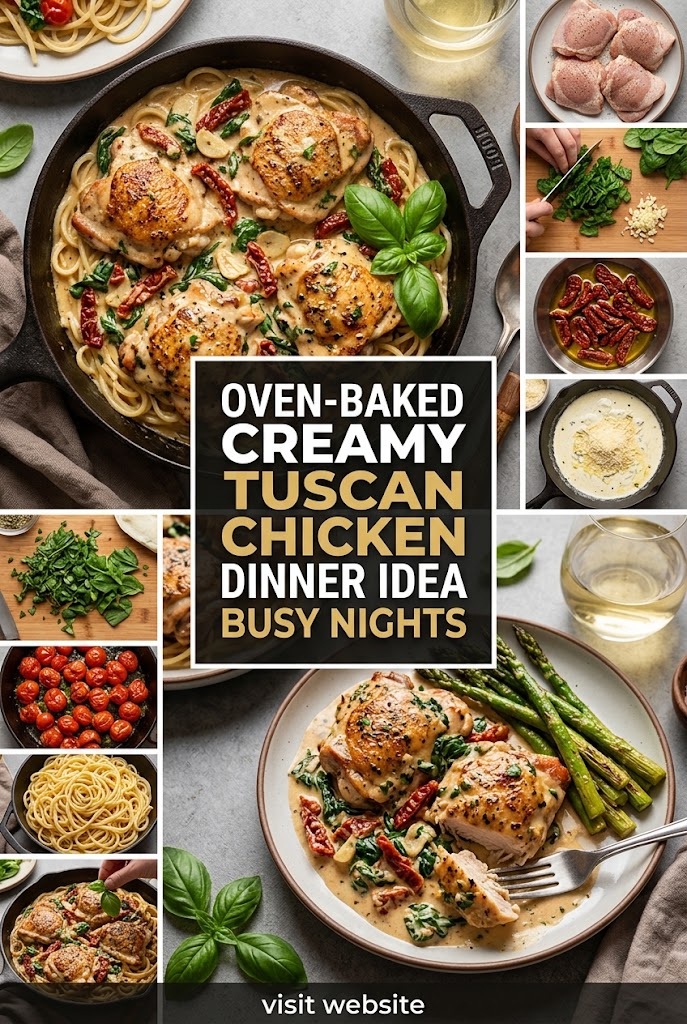
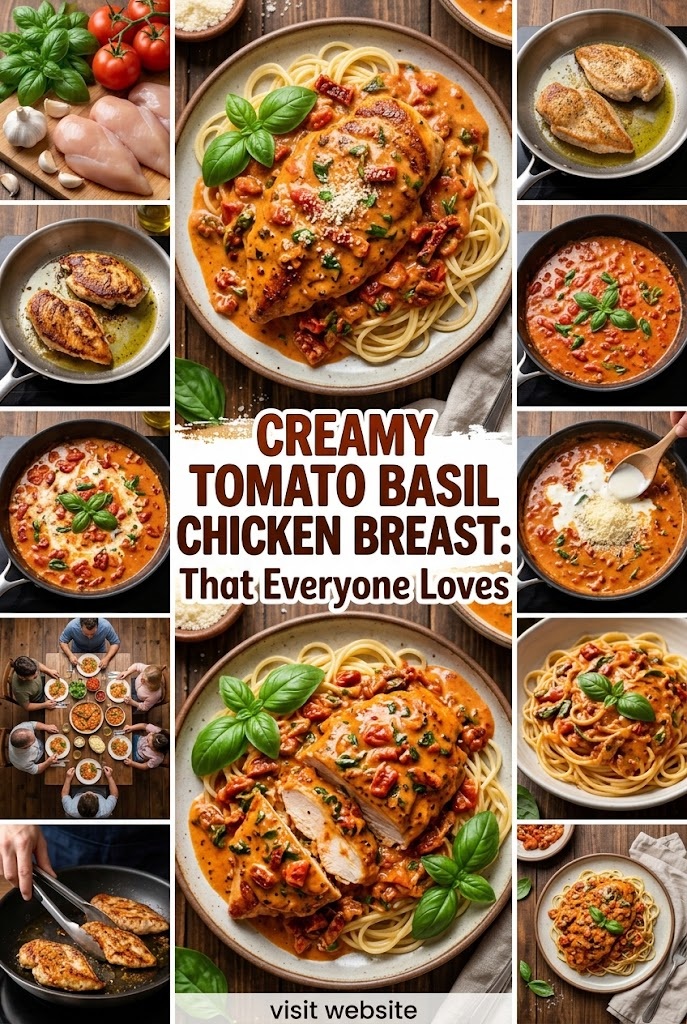
Creamy Tomato Basil Chicken Breast: That Everyone Loves
In the realm of home cooking, there are few dishes that manage to strike the perfect balance between sophisticated elegance and soulful comfort. The Creamy Tomato Basil Chicken Breast is one of those rare culinary gems. Often referred to as “Marry Me Chicken” or “Tuscan-Style Chicken” in various iterations across social media and restaurant menus, this dish has captured the hearts and palates of millions.
Whether you are hosting a romantic dinner for two, trying to impress your in-laws, or simply looking for a way to upgrade your Tuesday night meal prep, this recipe delivers a symphony of flavors. It combines the bright, acidic punch of sun-ripened tomatoes, the aromatic sweetness of fresh basil, and a velvety, parmesan-infused cream sauce that coats succulent, golden-seared chicken breasts.
In this comprehensive guide, we will dive deep into every aspect of this dish—from the science of the perfect sear to the nuances of selecting the best ingredients—ensuring that your version of Creamy Tomato Basil Chicken is the best anyone has ever tasted.
The Flavor Profile: Why This Dish Works
To understand why everyone loves Creamy Tomato Basil Chicken, we have to look at the culinary theory behind it. The dish relies on the “Holy Trinity” of Italian-inspired comfort food: Fat, Acid, and Herbaceousness.
- The Fat: The heavy cream and Parmesan cheese provide a luxurious mouthfeel. Fat is a flavor carrier; it coats the tongue and allows the other ingredients to linger longer on the palate.
- The Acid: Tomatoes (both fresh and sun-dried) provide the necessary acidity to cut through the richness of the cream. Without this acidity, the dish would feel heavy and one-dimensional.
- The Herbaceousness: Fresh basil offers a peppery, slightly minty finish that lightens the entire profile. It provides a “top note” that makes the dish smell as good as it tastes.
By combining these elements with the Maillard reaction—the chemical process that occurs when browning meat—you create a complex flavor profile that hits every taste bud.
Choosing Your Ingredients: The Foundation of Quality
A recipe is only as good as its components. Because this dish has relatively few ingredients, the quality of each one matters immensely.
1. The Chicken
For this recipe, we typically use boneless, skinless chicken breasts. However, the breast is a lean muscle that can easily become dry and rubbery if mishandled.
- Sourcing: Whenever possible, choose air-chilled chicken. Most commercial chicken is chilled in water vats, which means the meat absorbs extra liquid. Air-chilled chicken has a more concentrated flavor and sears much better because it isn’t “leaking” water into the pan.
- Preparation: Always pat the chicken dry with paper towels before seasoning. Moisture is the enemy of a good sear.
2. The Tomatoes: A Dual Approach
To achieve a deep, multi-layered tomato flavor, we recommend using a combination of two types:
- Sun-Dried Tomatoes: Use the ones packed in oil. They provide an intense, concentrated umami sweetness that fresh tomatoes simply cannot match. The oil they are packed in is also liquid gold—don’t throw it away!
- Fresh Cherry or Grape Tomatoes: Adding fresh tomatoes into the sauce allows them to burst during the simmering process, adding a bright, acidic juice that freshens the heavy cream.
3. The Cream and Cheese
- Heavy Cream: For the best results, use full-fat heavy whipping cream. Low-fat alternatives or half-and-half are prone to curdling when they hit the acidic tomatoes and wine.
- Parmesan: Skip the green shaker bottle. Buy a wedge of Parmigiano-Reggiano and grate it yourself. Real Parmesan contains no cellulose (anti-clumping agents), meaning it will melt smoothly into your sauce rather than turning it grainy.
4. The Aromatics
- Garlic: Use fresh cloves. Jarred minced garlic often has a metallic or sour aftertaste that can ruin a delicate cream sauce.
- Shallots: While onions work, shallots offer a more refined, subtle sweetness that bridges the gap between garlic and onion beautifully.
The Master Technique: Step-by-Step Execution
Making Creamy Tomato Basil Chicken is a lesson in pan-sauce management. Here is how to execute it like a professional chef.
Step 1: Preparing the Chicken
Most chicken breasts are uneven in thickness—thick at one end and thin at the other. To ensure even cooking, place the breasts between two sheets of plastic wrap and gently pound them with a meat mallet or a heavy skillet until they are an even thickness (about 3/4 inch).
Season generously with kosher salt, black pepper, and perhaps a pinch of paprika for color. Some chefs like to lightly dredge the chicken in flour. This creates a slightly crispier exterior and helps thicken the sauce later, but it is optional if you are following a keto or gluten-free diet.
Step 2: The Perfect Sear
Heat a large stainless steel or cast-iron skillet over medium-high heat. Add a tablespoon of olive oil (or the oil from the sun-dried tomato jar). Once the oil is shimmering but not smoking, add the chicken.
- The Rule of Patience: Do not move the chicken for at least 4-5 minutes. You want a deep, golden-brown crust. If the chicken is sticking to the pan, it’s not ready to be flipped. Once it releases naturally, flip it and cook for another 3-4 minutes until nearly cooked through. Remove the chicken to a plate and tent it with foil.
Step 3: Building the Flavor Base (The Fond)
The brown bits left in the pan after searing the chicken are called “fond.” This is concentrated flavor. Lower the heat to medium and add your minced shallots and sun-dried tomatoes. Sauté for 2 minutes, then add the garlic. Garlic burns quickly, so only cook it until it becomes fragrant (about 30-60 seconds).
Step 4: Deglazing
Add a splash of dry white wine (like Sauvignon Blanc or Pinot Grigio) or chicken broth to the pan. Use a wooden spoon to scrape up all those delicious brown bits from the bottom. This process incorporates the fond into the liquid, forming the base of your sauce.
Step 5: The Simmer
Add your fresh cherry tomatoes and cook until they begin to soften and pop. Pour in the heavy cream and bring the mixture to a gentle simmer. Do not let it reach a rolling boil, as this can cause the fat to separate.
Step 6: Finishing the Sauce
Stir in the grated Parmesan cheese and a handful of chopped fresh basil. Taste the sauce! This is the most important step. Does it need more salt? A squeeze of lemon juice to brighten it? A pinch of red pepper flakes for heat? Adjust accordingly.
Step 7: Reuniting the Chicken
Place the chicken breasts (and any juices that accumulated on the plate) back into the skillet. Let them simmer in the sauce for 2-3 minutes. This allows the chicken to finish cooking to a perfect 165°F while absorbing the flavors of the sauce.
Culinary Secrets for Success
Use a Meat Thermometer
The biggest mistake home cooks make with chicken breast is overcooking it. Chicken breast is perfectly safe and juiciest at 165°F (74°C). If you wait until it “looks done,” it’s likely already over 180°F and dry. Using an instant-read thermometer is the only way to guarantee professional results every time.
The Power of Fresh Basil
Basil is a delicate herb. If you cook it for too long, it turns black and loses its vibrant, floral flavor. Always add the bulk of your basil at the very end of the cooking process. For an extra touch of elegance, chiffonade the basil (cut into thin ribbons) just before serving.
Balancing the Richness
If you find the sauce is too rich or “heavy,” a small teaspoon of balsamic vinegar or a squeeze of fresh lemon juice at the end can transform the dish. The acid acts as a counterweight to the heavy cream and cheese.
Variations to Suit Every Lifestyle
One reason this recipe is so popular is its versatility. You can tweak it to fit almost any dietary requirement without sacrificing flavor.
1. The Keto / Low-Carb Version
This dish is naturally very low in carbohydrates. To keep it strictly keto:
- Ensure you do not dredge the chicken in flour.
- Serve it over roasted cauliflower, sautéed spinach, or zucchini noodles (zoodles) instead of pasta.
- Avoid using milk; stick strictly to heavy cream.
2. The Dairy-Free / Paleo Alternative
You can still enjoy the creamy texture without the dairy:
- The Cream: Use full-fat canned coconut milk or cashew cream (soaked cashews blended with water). Note that coconut milk will add a slight tropical undertone, which pairs surprisingly well with basil and tomato.
- The Cheese: Use nutritional yeast for a cheesy, nutty flavor, or simply omit the cheese and add a bit more salt and garlic.
3. The “Tuscan” Twist
To turn this into a “Tuscan Chicken,” add a few handfuls of fresh baby spinach to the sauce at the very end. The residual heat will wilt the spinach in seconds, adding color and nutrients to the meal.
4. The Spicy Kick
If you enjoy heat, add half a teaspoon of crushed red pepper flakes when sautéing the garlic. You can also use “Calabrian chili paste” for a more authentic, smoky Italian heat.
What to Serve with Creamy Tomato Basil Chicken
While the chicken is the star of the show, the sauce is so delicious that you’ll want something to soak it up.
The Classic Carbs
- Pasta: Wide noodles like Pappardelle or Fettuccine are excellent for holding onto thick cream sauces. Penne or Rigatoni also work well as the sauce gets trapped inside the tubes.
- Mashed Potatoes: Garlic-infused mashed potatoes provide a soft, buttery bed for the chicken.
- Crusty Bread: A warm loaf of Italian bread or sourdough is essential for “scarpetta”—the Italian tradition of mopping up the remaining sauce on your plate.
The Healthy Sides
- Roasted Asparagus: The earthiness of roasted asparagus cuts through the cream.
- Garlic Sautéed Broccolini: The slight bitterness of broccolini provides a nice contrast to the sweet sun-dried tomatoes.
- A Simple Arugula Salad: A light salad dressed with olive oil and lemon juice is the perfect palate cleanser between bites of the rich chicken.
Wine Pairing: The Sommelier’s Choice
When pairing wine with a creamy tomato dish, you want something that has enough acidity to match the tomatoes but enough body to stand up to the cream.
- White Wine (Top Choice): A lightly oaked Chardonnay or a Viognier. These wines have a buttery mouthfeel that complements the cream sauce perfectly.
- Alternative White: A Vermentino or Pinot Grigio if you prefer something crisp and refreshing to cut through the richness.
- Red Wine: If you must have red, go for something light and high in acidity like a Pinot Noir or a Chianti Classico. The tannins in heavy reds like Cabernet Sauvignon can clash with the cream and make the sauce taste metallic.
The Nutritional Breakdown: Is It Healthy?
While “creamy” often suggests “unhealthy,” this dish offers significant nutritional benefits when consumed as part of a balanced diet.
- Protein Powerhouse: Chicken breast is one of the best sources of lean protein, essential for muscle repair and satiety.
- Lycopene from Tomatoes: Tomatoes are loaded with lycopene, a powerful antioxidant that is actually more “bioavailable” (easier for your body to absorb) after it has been cooked.
- Basil Benefits: Basil contains essential oils like eugenol, which has anti-inflammatory properties.
- The Fat Factor: While heavy cream is high in calories, the fats found in dairy can help your body absorb the fat-soluble vitamins (A, D, E, and K) found in the vegetables in this dish.
To make it lighter, you can reduce the amount of cream and increase the amount of chicken broth, or simply be mindful of your portion size of the accompanying pasta.
Meal Prep and Storage Instructions
This is an excellent dish for meal prep because the flavors actually improve as they sit.
- Storage: Store leftovers in an airtight container in the refrigerator for up to 3-4 days.
- Reheating: This is the tricky part. If you microwave the dish on high, the cream sauce may “split” or break, leaving you with a puddle of oil. Instead, reheat it in a small skillet over low heat. Add a splash of water, milk, or broth to loosen the sauce and stir gently until heated through.
- Freezing: We do not recommend freezing this dish. Cream-based sauces often change texture when frozen and thawed, becoming grainy or separated. It is best enjoyed fresh or from the fridge.
Common Pitfalls and How to Avoid Them
Even seasoned cooks can run into trouble. Here are the most common mistakes people make with this recipe:
- Crowding the Pan: If you put too many chicken breasts in the skillet at once, the temperature of the pan will drop. Instead of searing, the chicken will steam in its own juices, resulting in a grey, rubbery texture. Cook in batches if necessary.
- Using Cold Chicken: Taking chicken straight from the fridge to the pan causes the muscle fibers to tense up, leading to tough meat. Let your chicken sit at room temperature for 15-20 minutes before cooking.
- The Sauce is Too Thin: If your sauce isn’t thickening, let it simmer for a few extra minutes to reduce the liquid. Alternatively, stirring in more Parmesan cheese will naturally thicken the sauce.
- The Sauce is Too Thick: If the sauce becomes a paste, simply whisk in a tablespoon of chicken broth or water until you reach the desired “nappe” consistency (where the sauce coats the back of a spoon).
Frequently Asked Questions
Can I use chicken thighs instead of breasts?
Absolutely! Chicken thighs are much more forgiving than breasts because they have a higher fat content. They stay juicy even if slightly overcooked. If using thighs, increase the initial searing time as they take longer to cook through than pounded breasts.
Do I have to use wine?
No. While wine adds a sophisticated acidity, you can easily substitute it with more chicken broth and a teaspoon of white wine vinegar or lemon juice to achieve a similar flavor profile.
Can I make this in a slow cooker or Instant Pot?
While you can, the texture of the sauce and the sear on the chicken will not be the same. If using a slow cooker, add the cream and Parmesan during the last 30 minutes of cooking to prevent curdling. For the best results, the stovetop skillet method remains king.
What kind of sun-dried tomatoes should I buy?
Look for “julienne cut” sun-dried tomatoes in olive oil. They are already sliced into strips, saving you prep time. If you buy the dry-packed version (not in oil), you will need to rehydrate them in warm water for 10 minutes before using them.
The Recipe: Creamy Tomato Basil Chicken Breast
Yields: 4 servings Prep time: 15 minutes Cook time: 25 minutes
Ingredients:
- 4 Boneless, skinless chicken breasts (pounded to even thickness)
- Salt and freshly cracked black pepper to taste
- 1 tsp Smoked paprika
- 2 tbsp Olive oil (use the oil from the sun-dried tomato jar for extra flavor)
- 2 tbsp Unsalted butter
- 1 large Shallot, finely minced
- 4 cloves Garlic, minced
- 1/2 cup Sun-dried tomatoes in oil, drained and chopped
- 1 cup Fresh cherry tomatoes, halved
- 1/2 cup Dry white wine (or chicken broth)
- 1 1/2 cups Heavy cream
- 1/2 cup Freshly grated Parmigiano-Reggiano cheese
- 1 cup Fresh basil leaves, roughly chopped or chiffonade
- Optional: Red pepper flakes for heat
Instructions:
- Season and Sear: Season both sides of the chicken breasts with salt, pepper, and paprika. In a large skillet, heat the olive oil and butter over medium-high heat. Add the chicken and sear for 5 minutes per side until golden brown and cooked to an internal temp of 160°F. Remove chicken and set aside on a plate.
- Sauté Aromatics: In the same skillet, reduce heat to medium. Add the shallots and sun-dried tomatoes. Sauté for 2 minutes. Add the garlic (and optional red pepper flakes) and cook for 1 minute until fragrant.
- Deglaze: Pour in the white wine or broth. Use a spatula to scrape up the browned bits from the pan. Let the liquid reduce by half (about 3 minutes).
- Make the Sauce: Add the cherry tomatoes and cook until they start to soften. Pour in the heavy cream. Bring to a gentle simmer and let it cook for 3-5 minutes until the sauce begins to thicken slightly.
- Final Touch: Stir in the Parmesan cheese until melted and smooth. Stir in the fresh basil.
- Combine: Place the chicken breasts and their juices back into the skillet. Spoon the sauce over the chicken and simmer for another 2 minutes until the chicken reaches 165°F.
- Serve: Serve immediately over your choice of pasta, rice, or vegetables. Garnish with extra basil and a sprinkle of Parmesan.
Why This Dish is a “Google-Ranked” Favorite
In the digital age, recipes go viral for a reason. This Creamy Tomato Basil Chicken Breast checks all the boxes for SEO success and user satisfaction:
- Visual Appeal: The contrast of the red tomatoes, green basil, and golden chicken makes for a stunning photograph.
- Accessibility: Most of these ingredients are pantry staples or easily found at any grocery store like Kroger, Publix, or Whole Foods.
- Efficiency: A gourmet-level meal in under 45 minutes is the “holy grail” for busy families.
The search volume for “Chicken breast recipes” is consistently high, but what makes this specific dish stand out is its reputation for being “fail-proof.” It’s a recipe that builds confidence in the kitchen. When you see the cream bubble and smell the garlic and basil hitting the hot pan, you know you’re making something special.
Conclusion: Bringing the Restaurant Home
The Creamy Tomato Basil Chicken Breast is more than just a meal; it is a culinary experience that proves you don’t need a professional kitchen to produce world-class flavors. It celebrates the simplicity of Mediterranean ingredients while utilizing French techniques like deglazing and sauce reduction.
By following the tips in this guide—focusing on the quality of your Parmesan, the temperature of your chicken, and the freshness of your basil—you will create a dish that is consistently requested by friends and family. It is a testament to the fact that when you cook with intention and use the right techniques, even a humble chicken breast can become a masterpiece.
So, the next time you find yourself standing in the kitchen wondering what to make for dinner, reach for the sun-dried tomatoes and the heavy cream. Your taste buds—and whoever is lucky enough to share your table—will thank you.